

There’s still no cure for Alzheimer, but researchers are vigorously trying to develop a better understanding of what exactly increases the risk of developing Alzheimer’s disease.
According to the most recent study on the matter, there have been successfully identified ten risk factors that are believed to increase the likelihood of developing this dangerous disease.
Since there is still no cure, we have to look into everything we can, including habits that might lead us to Alzheimer’s. Here are some of the most important factors researchers have decided upon, and the reason why they are associated with a bigger risk:

Education level
It has been discovered that a lower education level is directly linked to an increased risk of Alzheimer’s disease. It has been previously proven that the longer you spend your time in the educational system, the lower your risk of developing dementia.
Even more, research that focused on the brains of people from different educational backgrounds also proved that people who were highly educated had “bigger” brains.
Apparently, given that you lose one-third of your brain weight when suffering from dementia, a heavier brain might help you be more resilient.
Cognitive activity
There’s proof that keeping your brain active is effective when it comes to fighting dementia. Various activities such as word puzzles might, in fact, stimulate your brain, which can strengthen the connectivity between brain cells. This connectivity is broken down when dementia sets in.
The latest studies proved that we need to keep our brains as active as possible, even as seniors. There are many other studies that agree with this principle of challenging our brains, which might indeed reduce the chances of developing dementia.
Hypertension in mid-life
Healthy hearts have also been linked to a healthier brain. The current study shows that high blood pressure, also known as hypertension, might lead to an increased Alzheimer’s risk.
A higher incidence of heart disease in patients with high blood pressure had a direct impact on the blood and nutrient supply of the brain. What’s even more interesting is that this association includes those who suffer from high blood pressure on their own. In conclusion, the reduced blood supply to the brain seems to affect the risk of getting Alzheimer’s.
Orthostatic hypotension
The study also discovered orthostatic hypotension as a primary risk factor. Orthostatic hypotension is the medical term for experiencing low blood pressure when standing, sitting, or lying down.
As the body can’t keep sufficient blood supply to the brain during some posture changes, this might have a debilitating impact on our brain activity, as a result of lack of oxygen to the brain, which might increase the risk of dementia.
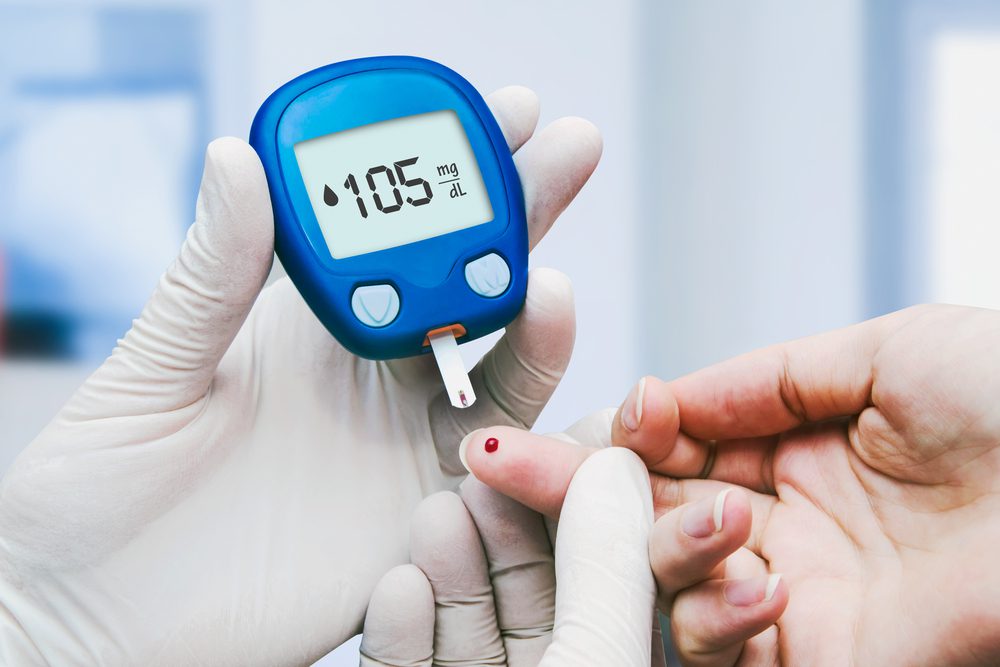
Diabetes
The study discovered that diabetes was linked with a higher incidence of Alzheimer’s. As diabetes is responsible for making our body unable to regulate insulin, it directly changes the way our brain cells are communicating, but also our memory function, both of which are usually disrupted in a patient with Alzheimer’s.
BMI
A higher body mass index (BMI) in patients that are under 65 years old might have something to do with a certain risk of developing dementia.
The study points out that a body mass index between 18.5 and 24.9 for seniors under 65 years old, which is a healthy weight, might positively impact the chances of developing dementia. Even so, being underweight in middle age and later in life can only increase the risk of dementia.
Head trauma
Past head trauma is a serious risk factor, and there’s significant evidence that head trauma, like concussions, might contribute to the development of Alzheimer’s.
The connection between these two was first noticed in 1928. Even so, it’s still unsure whether single or repeated head trauma was the main contributing factor.
What is clear, however, is that the brain damage from head trauma is extremely similar to the one caused by Alzheimer’s. This puts people at risk of further damage later in their life, caused by Alzheimer’s.
Hyperhomocysteinemia
Higher levels of this particular chemical, homocysteine, are a great risk factor. It seems that homocysteine, as a natural amino acid that’s deeply involved in the production of our body’s defense mechanism, including important antioxidants that are responsible for preventing cellular damage, has a lot to do with an increased risk of dementia.
Elevated blood levels of this particular amino acid in people who suffered from dementia were first noticed in 1998. Since then, scientists have discovered that reducing the levels of homocysteine can help against this terrible disease.
Also, animal studies showed that elevated levels of homocysteine are responsible for damaging our brain cells, by simply interfering with their energy production. By adding more folate and vitamin B12 to your diet, you can eliminate this issue.
Depression
Those who live with Alzheimer’s also suffer from depression. It’s still unsure if depression is the one that causes Alzheimer’s, or if it’s simply a symptom of the illness.
Even so, lots of evidence showed that depression is a serious risk factor. Researchers believe there’s a direct link between the number of depressive episodes, especially the ones that occurred ten years before dementia onset, and an increased risk.

Stress
The last but not least, stress was discovered to be a key factor in developing Alzheimer’s. In fact, long-term stress is known to target our body’s immune cells, which are highly important in keeping dementia at a great distance.
Even more, the hormone cortisol has been proven to contribute to stress and impact our memory. So deciding to reduce the stress and cortisol levels might, in fact, reduce the risk of developing Alzheimer’s.
The study also gives a very complex picture of how to fight the onset of Alzheimer’s, but also ten other areas that scientists need to focus on.
A couple of tips on how to reduce the risk of Alzheimer’s:
- Aerobic activity – this type of activity is known to keep your heart, lungs, and blood circulation as healthy as possible, and it does wonders for the brain, too. This doesn’t mean that you should compete in the next marathon! Moderate-intensity aerobics should be enough to breathe faster and feel warmer.
- Strength-building activity – Strength-building activity targets your major muscles: legs, back, stomach, shoulders, and arms. It will help you perform everyday tasks more easily.
- Eat better – By eating a healthier, more balanced diet, you will significantly reduce the risk of developing dementia, but also other scary conditions, like cancer, type 2 diabetes, obesity, stroke, and even heart disease.
- Quit smoking – If you’re smoking, you’re only putting yourself at a bigger risk of developing Alzheimer’s later in life. Smoking harms our bodies in many ways, including the blood vessels in the brain, heart, and lungs. It’s never too late to give up on this toxic habit! Plus, the earlier you decide to stop, the more brain damage you will avoid!
- Drink less alcohol – Drinking too much is directly linked with a higher risk of developing dementia. If you constantly drink alcohol, at least consider doing it in moderation, and stick within recommended limits. It has been shown that drinking too much alcohol at once might expose your brain to dangerous levels of harmful chemicals.
If you found this article interesting, we also recommend reading: Anxiety Is Different In Seniors. Do You Know The Warning Signs?








Leave a Reply