Psychology Diary

The First Step Toward Change Is Awareness

  • Home
  • Relationships
  • Mental Health
  • Expert Tips
  • Life
  • Family
  • Marriage

The Power of Forgiveness: How Letting Go Can Improve Your Mental Health

August 31, 2025 · Mental Health

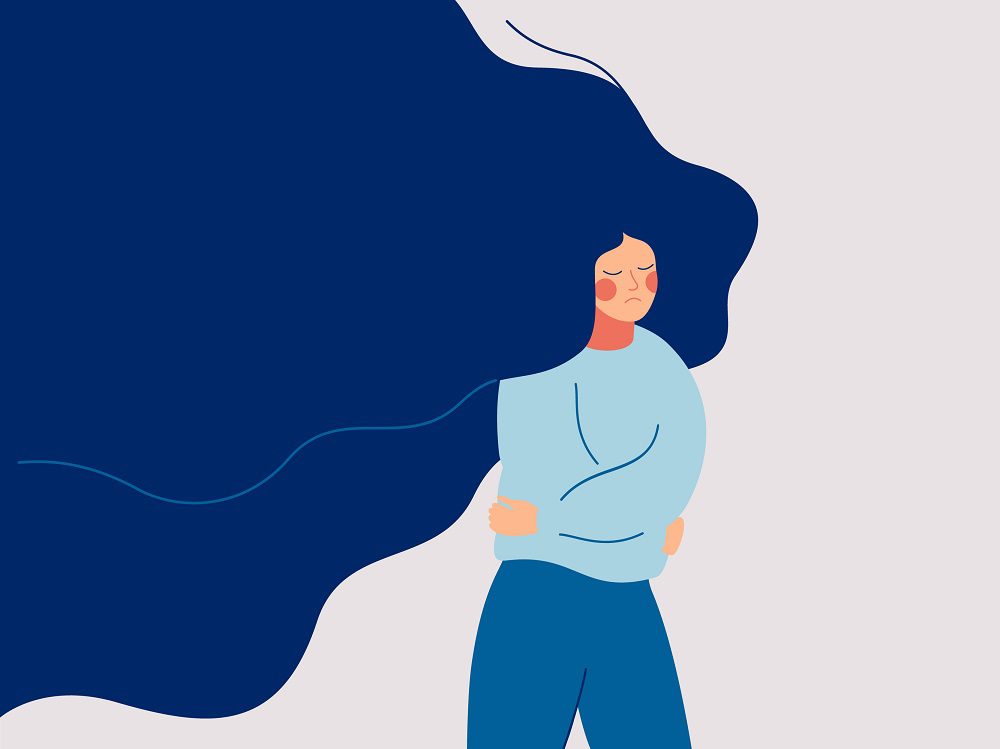
Woman reflecting by window.

When Forgiveness Feels Impossible: Acknowledging the Barriers

While the benefits are clear, the path to forgiveness is rarely simple. It is completely normal and valid to feel that forgiving someone is out of reach, especially when the wound is deep. Acknowledging these barriers without judgment is a critical part of the process. Pushing yourself to “just forgive” before you are ready can be counterproductive and lead to feelings of shame or failure.

The severity of the hurt is perhaps the most significant barrier. Forgiveness for a minor slight is very different from forgiveness for profound betrayal, abuse, or trauma. In cases of trauma, the process is far more complex and often requires the guidance of a trauma-informed therapist. The brain’s survival mechanisms can make it incredibly difficult to let go of the hypervigilance and anger associated with the event.

Another common barrier is the fear of vulnerability. Forgiving can feel like lowering your defenses, making you susceptible to being hurt again by the same person or in a similar situation. This fear is a protective instinct. It is important to remember that forgiveness and setting boundaries are complementary skills. You can forgive someone while also implementing firm boundaries to ensure your emotional and physical safety.

Sometimes, resentment can be intertwined with our sense of identity. Holding onto a grudge can feel like a way of honoring the pain we endured. It can feel as though letting go of the anger means minimizing the harm that was done. There can also be a feeling that forgiving the other person lets them “win” or escape accountability. This is where reframing forgiveness as an act for yourself becomes so powerful. Your healing is not their victory; it is yours.

Social pressure can also be a complicating factor. Well-meaning friends or family might urge you to “move on” or “let it go” before you have had the chance to process your feelings. This can invalidate your experience and add a layer of guilt to your pain. Your timeline for healing is your own. It is okay to tell others, “I appreciate your concern, but I need to work through this at my own pace.”

Finally, the pursuit of justice can feel at odds with forgiveness. You may believe that the person does not “deserve” your forgiveness until they have apologized or made amends. While an apology can be helpful, waiting for one often means putting your healing in someone else’s hands. True forgiveness is a unilateral decision you make for your own freedom, regardless of whether the other person ever acknowledges their wrongdoing.

Pages: 1 2 3 4 5 6 7 8 9 10

Share this article

Facebook Twitter Pinterest LinkedIn Email

Leave a Reply Cancel reply

Your email address will not be published. Required fields are marked *

Search

Latest Posts

  • A conceptual illustration showing a father and daughter separated by a deep chasm in the floor of their dining room. 10 Habits That Push People Away (Your Children Too)
  • A conceptual collage of a head silhouette filled with shattered mirrors and warped photos, symbolizing reality distortion. 8 Ways People Distort Reality
  • An elderly woman sits alone at a dining table in soft afternoon light, looking down at a tea cup in a quiet, nostalgic home setting. 9 Emotional Wounds Adult Children Simply Don’t Realize They’re Inflicting On Their Parents
  • A mixed-media collage of a fragmented silhouette head with an anchor being cut, symbolizing the loss of one's grip on reality. 10 Signs Someone Is Trying to Distort Your Reality
  • A mixed media collage of a beautiful white flower with hidden barbed wire roots and thorny stems on a textured vintage paper background. 8 Behaviors That Reveal Hidden Toxicity
  • A candid photo of a couple in a dim living room, showing a sense of emotional distance and unspoken tension. 10 Traits That May Reveal Covert Narcissism
  • A couple sits on a sofa in a dimly lit room, one person looking at a phone while the other looks away, capturing a moment of secrecy. 8 Signs Someone May Be Hiding More Than They Admit
  • An ink and watercolor illustration of a human head cracking like stone, with golden light leaking through the fissures. 11 Small Clues That Can Expose a Lie
  • An abstract editorial illustration of a silhouette with a tangled nest of lines inside its head, symbolizing mental confusion. 8 Warning Signs Someone May Be Playing Mind Games
  • A mixed media collage of a silhouette filled with torn paper and translucent layers, symbolizing the invisible nature of emotional neglect. 10 Traits of People Emotionally Neglected as Kids

Newsletter

Get the latest posts delivered to your inbox.

Related Articles

narcissistic

9 Alarming Signs You Have Narcissistic Abuse Syndrome

3. You feel guilty One common pattern often associated with strong narcissistic traits is difficulty…

Read More →
Famous People with Dementia

6 Hollywood Stars Who Secretly Battled Dementia

Dementia Can Affect Anyone… Even Famous Hollywood Stars! Dementia can be an overwhelming condition that…

Read More →
Aging

5 Negative Ways Aging Seriously Impacts a Senior’s Mental Health

Fear Of The Future As a person grows older, the certainty of death becomes more…

Read More →
anxiety

Anxiety Is Different In Seniors. Do You Know The Warning Signs?

We stressed so much about this subject, mainly because anxiety is more than just a…

Read More →
Betrayal Trauma

Betrayal Trauma: 7 Signs You May Have It Too

How Does Betrayal Trauma Work? Can It Be Completely Healed? When your partner or your…

Read More →
toxic friendship

How to Spot Toxic Friendships Before They Drain You

Talking about toxic friendships? How they really are, how they mess with peace of mind,…

Read More →
True Crime

9 Reasons Why We Like True Crime

Isn’t it crazy that we love true crime? Why do life-threatening situations entertain us? We…

Read More →
burnout

7 Signs of Burnout (and What To Do About It)

Even the greatest jobs can lead to burnout. The more you work and the more…

Read More →
Alzheimer's and Parkinson's

Alzheimer’s vs. Parkinson’s: 7 Differences and Symptoms You Must Know

Alzheimer’s and Parkinson’s: both of them are serious medical conditions. Let us clarify the main…

Read More →

Psychology Diary

The First Step Toward Change Is Awareness

Inedit Agency S.R.L.
Bucharest, Romania

contact@psychologydiary.com

Explore

  • About Us
  • Advertiser Disclosure
  • Contact Us
  • Disclaimer
  • Do not sell my personal information
  • Editorial Policy
  • Frequently Asked Questions
  • Privacy Policy
  • Terms and Conditions
  • Subscribe
  • Unsubscribe

Categories

  • Expert Tips
  • Family
  • Life
  • Marriage
  • Mental Health

© 2026 Psychology Diary. All rights reserved.