
Psychology Diary

The First Step Toward Change Is Awareness

  • Home
  • Relationships
  • Mental Health
  • Expert Tips
  • Life
  • Family
  • Marriage

The Science of Happiness: 7 Simple Habits to Boost Your Joy in Retirement

August 31, 2025 · Life

Woman watering plants on sunny balcony.

A Final Word on Your Journey to Joy

Your retirement is a unique and personal chapter of your life, one that you have the power to shape. Happiness is not a passive state you arrive at, but an active process of cultivation. It is built in the small moments: the grateful thought before you sleep, the 10-minute walk in the sunshine, the brave and kind boundary you set with a loved one, the curiosity that leads you to open a new book.

These seven habits are not a rigid prescription. They are an invitation. They are tools grounded in science and offered with compassion to help you build a retirement lifestyle rich with meaning, connection, and authentic joy. Be patient with the process. Be kind to yourself. And know that the effort you put into your own well-being is the greatest gift you can give to yourself and to the family you love.

Your next step is simple: Choose just one habit from this list that feels the most accessible or appealing to you right now. Commit to practicing it, in a small way, for the next seven days. Notice how it feels. At the end of the week, you can decide to continue with it, or you can choose another to explore. This is your journey. Enjoy the discovery.

This article is for informational purposes only and does not constitute medical, psychological, legal, or financial advice. The content is not intended to be a substitute for professional advice, diagnosis, or treatment. Always seek the advice of a qualified health provider with any questions you may have regarding a medical or mental health condition. If you or someone you know is in immediate danger or considering self-harm, please call your local emergency services. In the U.S., you can connect with people who can support you by calling or texting 988 anytime to reach the 988 Suicide & Crisis Lifeline. If you are experiencing intimate partner violence, you can find help and resources at the National Domestic Violence Hotline.

Pages: 1 2 3 4 5 6 7 8 9 10 11 12

Share this article

Facebook Twitter Pinterest LinkedIn Email

One response to “The Science of Happiness: 7 Simple Habits to Boost Your Joy in Retirement”

  1. Cheryl Zaouk says:
    February 17, 2026 at 10:18 am

    Good 👍 advice

    Reply

Leave a Reply Cancel reply

Your email address will not be published. Required fields are marked *

Search

Latest Posts

  • A conceptual illustration showing a father and daughter separated by a deep chasm in the floor of their dining room. 10 Habits That Push People Away (Your Children Too)
  • A conceptual collage of a head silhouette filled with shattered mirrors and warped photos, symbolizing reality distortion. 8 Ways People Distort Reality
  • An elderly woman sits alone at a dining table in soft afternoon light, looking down at a tea cup in a quiet, nostalgic home setting. 9 Emotional Wounds Adult Children Simply Don’t Realize They’re Inflicting On Their Parents
  • A mixed-media collage of a fragmented silhouette head with an anchor being cut, symbolizing the loss of one's grip on reality. 10 Signs Someone Is Trying to Distort Your Reality
  • A mixed media collage of a beautiful white flower with hidden barbed wire roots and thorny stems on a textured vintage paper background. 8 Behaviors That Reveal Hidden Toxicity
  • A candid photo of a couple in a dim living room, showing a sense of emotional distance and unspoken tension. 10 Traits That May Reveal Covert Narcissism
  • A couple sits on a sofa in a dimly lit room, one person looking at a phone while the other looks away, capturing a moment of secrecy. 8 Signs Someone May Be Hiding More Than They Admit
  • An ink and watercolor illustration of a human head cracking like stone, with golden light leaking through the fissures. 11 Small Clues That Can Expose a Lie
  • An abstract editorial illustration of a silhouette with a tangled nest of lines inside its head, symbolizing mental confusion. 8 Warning Signs Someone May Be Playing Mind Games
  • A mixed media collage of a silhouette filled with torn paper and translucent layers, symbolizing the invisible nature of emotional neglect. 10 Traits of People Emotionally Neglected as Kids

Newsletter

Get the latest posts delivered to your inbox.

Related Articles

no

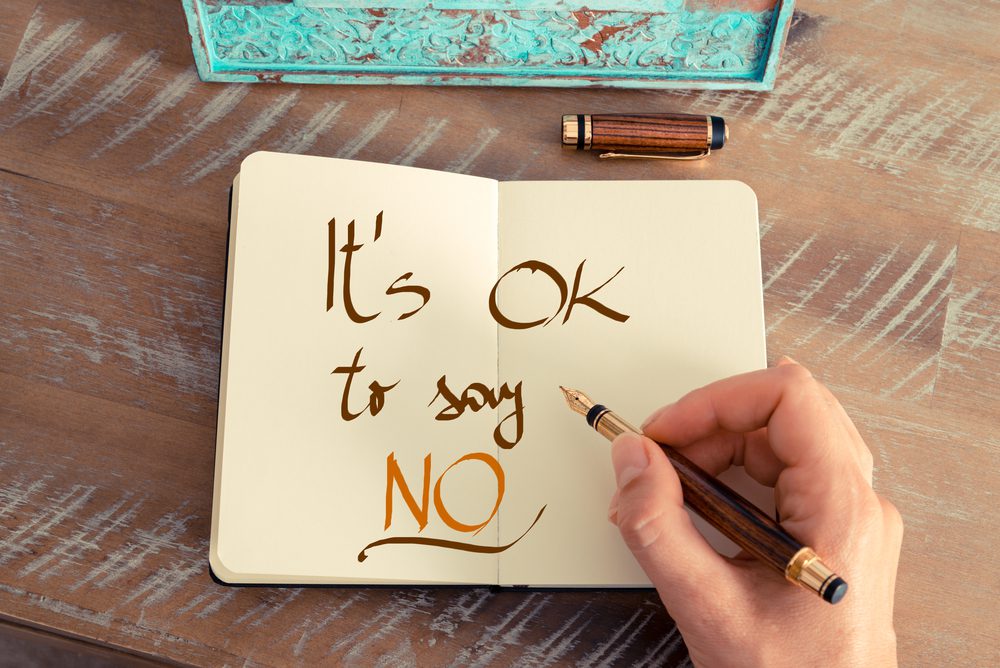
8 Times You Should Say ‘NO’ for a Better Life

8. Take your time when responding to messages After social media began to be part…

Read More →
Dementia vs. Schizophrenia adult

If You’re Experiencing THIS, You’ve Been Traumatized as a Kid

If you wonder whether or not you’ve experienced trauma as a child, it’s more than…

Read More →

Dating Mistakes You Should Avoid Making In Your 40s

Dating after 40 can be a great experience since you’re more mature, more experienced, smarter,…

Read More →

10 Signs You Ought to Say “Yes” to a Second Date

First dates can be very stressful, as you have no idea if you’re going to…

Read More →

4 Reasons Why We Keep Electing Narcissists and Sociopaths

It isn’t common for narcissists and sociopaths to rule the world… If you believe that…

Read More →
perfectionists traits

Are You a Perfectionist? 8 Signs That Confirms It

8. Confusing perfection and quality Another sign of perfectionist traits is when you confuse perfection…

Read More →
defense mechanisms

10 Defense Mechanisms We All Use and How They Work

What are your defense mechanisms? Defense mechanisms are ways you react when faced with negative…

Read More →
stages of grief

How the 5 Stages of Grief Can Give Us Closure

Have you heard about the five stages of grief? You may have heard about the…

Read More →
Lie-Detection Tip

Truth or Lie? 7 Easy Lie-Detection Tips to Know if Someone’s Dishonest

Lie-detection tip: Notice when the corner of a person’s mouth turns down Understanding how to…

Read More →

Psychology Diary

The First Step Toward Change Is Awareness

Inedit Agency S.R.L.
Bucharest, Romania

contact@psychologydiary.com

Explore

  • About Us
  • Advertiser Disclosure
  • Contact Us
  • Disclaimer
  • Do not sell my personal information
  • Editorial Policy
  • Frequently Asked Questions
  • Privacy Policy
  • Terms and Conditions
  • Subscribe
  • Unsubscribe

Categories

  • Expert Tips
  • Family
  • Life
  • Marriage
  • Mental Health

© 2026 Psychology Diary. All rights reserved.