
How toxic are you being with yourself? I hope you know that more important than the relationship you have with others, the most important relationship is with yourself. This one will set the tone for everything that happens in your life. The negative patterns and attitudes you encounter in being with yourself will reflect in all your relationships with other people, especially with the ones closest to you.
If you feel like you’re on the right path, know what you want from life, and know who you are, then you probably do enough inner work to know all the potentially harmful self-perceptions and habits. Otherways, it’s difficult to say if you have a toxic relationship with yourself, but you should try to recognize any tendency to damage your self-esteem or sabotage your connections with others.
Make sure you prioritize yourself because if you neglect your needs and identity, you cannot simply interact well with the world. This behavior towards yourself will lead to a negative self-image. For a long time, I was not acting right with myself, and it was hard for me to believe that I deserved the best that life had to offer until I started to do the inner work.
Let’s see the signs so you can become your own best friend.
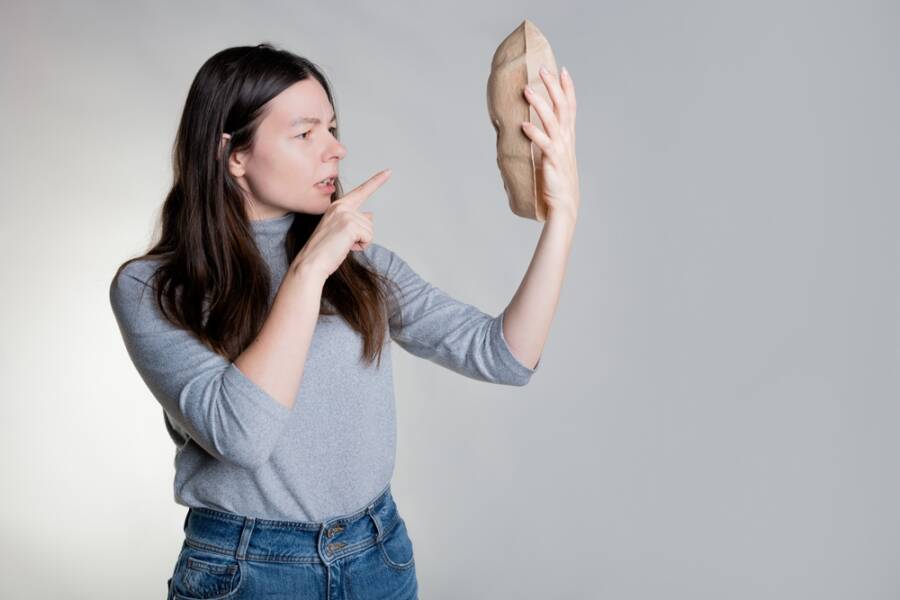
1. You are too critical of yourself, and this reflects on others.
How do you see if this is applying to you? You should check your response to your small mistakes and embarrassing moments to see if you have a healthy relationship with yourself. Laughing and moving on with these incidents shows you possess healthy coping skills. When you don’t foster a good relationship with yourself, it’s more likely for you to be critical and harsh about your behavior.
When you can’t forgive yourself for little mistakes and information, you may have the tendency to become stuck in negativity, in feelings of shame or guilt. Taking responsibility for your actions is a good thing but until the point of punishing yourself and making it a harmful pattern.
2. You rationalize unhealthy habits
It’s easy to take care of yourself and make healthy decisions when you have a healthy relationship with yourself. But falling into harmful habits can be a self-sabotaging trait, especially when you don’t notice that this is coming from a deep self-hatred, or when you don’t see your worth and you don’t consider yourself good enough.
So, behaviors like substance abuse, self-harm, or eating disorders can result in being in relationships with friends and romantic partners who share the same toxic behaviors.
It’s important to maintain a safe and nurturing relationship with yourself because it becomes more complicated after getting involved in these types of external relationships where you know things don’t work as they should, but you justify harmful and self-sabotaging actions only because you don’t feel like you deserve to be healthy and happy.
Try to be objective. Is it really the fact that you’re involved in a toxic relationship the catalyst of the actions that are holding you down, or is the unhealthy relationship that you have with yourself bringing you there in the first place?
However, be kind to yourself and don’t be upset about staying or maintaining some habits, as this is what you were able to do at that moment. Learn to recognize your bad traits and solve them.

3. You’re the first to sacrifice yourself
Self-care is essential, and some basic things as keeping your space clean and moving your body a little in the gym to maintain yourself healthy can be enough to keep your mental health floating as well. Enjoy a bubble bath, or a mask, moisturize your body, drink more water, and do the things you don’t usually make time for.
If you have a toxic relationship with yourself, you may tend to neglect these actions and never have time for them. Putting others’ needs before your own mental health will not really help you maintain a healthy and stable life. Remember that you cannot offer good things to others when you don’t offer them to yourself. You can’t pour from an empty cup.
4. You Struggle with Low Self-Esteem
If you find yourself criticizing people constantly or thinking you are an unworthy person or a bad person, it’s time to reconcile! Feeling undeserving of love, worthless, and defective is a sign of dangerously low self-esteem and self-confidence, and it’s the biggest indicator of a toxic self-relationship.
Let’s talk about self-loathing that comes from internalized hatred and shame that makes you see and treat others negatively. When you look in the mirror and mentally insult yourself and see yourself as inadequate, or dumb, or you don’t have compassion for yourself, and you generally don’t think you deserve kindness, this is a sign that you are a toxic partner to yourself.
Remember that you can’t have healthy relationships with other people as long as you don’t have a healthy relationship with yourself.
5. Seeking external validation
It’s beautiful to receive a compliment from a stranger, and encouraging words from a loved one, or you can get a promotion at work that can boost your self-confidence. Well, the issue interferes when you seek this type of validation frequently, and if you do, it’s time to reflect on why. Validating and affirming yourself through others may be a coping mechanism that improves your self-confidence and fosters a positive perception.
You can do this as much as you want as long as you don’t rely on others to feel good about yourself. If you notice you are no longer authentic in your interactions because you are focused on seeking this validation, take notice. It is time to change this. Make sure you’re not getting involved in self-deprecating behavior. To break these patterns, you need to foster some inner self-love work.
More signs of a toxic self-relationship

Cookie Studio from Shutterstock
There may be other signs, such as worrying too much about what others think of you. You might as well struggle to recognize, create, and communicate your boundaries, or you take too much responsibility for other people’s well-being. Settling for less in love or other relationships, in work, and in money is another sign of a toxic relationship with yourself.
You’re also not giving importance to your gut feelings, or you don’t know how to follow and trust your instincts or intuition. The need to constantly justify to others is another thing that should be away from your behavior, along with comparing yourself to others and feeling ashamed of your imperfections. You may not stand up for your needs and let others walk over you. Taking care of your body may seem too much for you, and it can be associated with a feeling of guilt about pampering yourself.
When you’re in a toxic relationship with yourself, you don’t feel free to express your ideas, which can lead to extreme alienation. This way is going to be easier for people in your life to bring you down, and this is another thing you are probably struggling with if you don’t have a healthy relationship with yourself.
I recommend this book if you want to start to raise your self-esteem and foster some self-love. Don’t hesitate to contact a specialist who can guide you in your self-love journey and change your life for the better.
If you liked my article, you can read this one next: 12 Signs You Might Be a Highly Sensitive Person






Leave a Reply