Psychology Diary

The First Step Toward Change Is Awareness

  • Home
  • Relationships
  • Mental Health
  • Expert Tips
  • Life
  • Family
  • Marriage

A Guide to Maintaining Mental Fitness and Brain Health After 60

August 31, 2025 · Expert Tips

Older adult happily video calling family.

The Power of Social and Emotional Well-being

A sharp mind doesn’t exist in a vacuum. Our emotional state and social environment have a profound impact on cognitive health. Chronic stress, loneliness, and isolation are significant risk factors for cognitive decline, while a strong social network and effective stress management skills are highly protective.

Cultivate Strong Social Connections

Engaging with other people is one of the most complex and beneficial activities for your brain. A conversation requires you to listen, process information, access memories, formulate a response, and read non-verbal cues—all in real-time. Social isolation, in contrast, can lead to depression and a faster rate of cognitive decline.

Make socializing a priority. Ideas include:

Scheduling Regular Outings: Set up a standing weekly lunch date with a friend or a regular video call with family who live far away.

Joining a Group: Look for book clubs, walking groups, faith-based organizations, or special interest clubs in your community.

Volunteering: Giving your time to a cause you care about provides both social connection and a powerful sense of purpose, which is strongly linked to well-being in later life.

For caregivers, it’s important to help facilitate these opportunities. This might mean arranging transportation or finding accessible social programs. Validating the importance of social life, rather than over-functioning, empowers the older adult to maintain their relationships and independence.

Master Stress Management Techniques

Chronic stress floods the brain with the hormone cortisol, which can damage and kill cells in the hippocampus, the brain’s memory center. Learning to manage stress effectively is a direct way to protect your cognitive resources. Mindfulness and relaxation techniques are powerful, evidence-based tools for this.

Here are two simple techniques you can practice daily:

Box Breathing: This is a simple, powerful technique to calm your nervous system. You can do it anywhere.

1. Sit in a comfortable, upright position.

2. Gently exhale all the air from your lungs.

3. Inhale slowly through your nose for a count of 4.

4. Hold your breath for a count of 4.

5. Exhale slowly through your mouth for a count of 4.

6. Hold the exhale for a count of 4.

7. Repeat this cycle for 5 to 10 minutes.

The 5-4-3-2-1 Grounding Technique: When you feel overwhelmed by worry, this exercise brings your attention back to the present moment and your physical surroundings.

Worked Mini-Example: Sit comfortably and look around the room.

1. Acknowledge 5 things you can see: “I see the blue lamp. I see the grain in the wooden table. I see my reflection in the window. I see the green leaves on the plant. I see a crack in the ceiling.”

2. Acknowledge 4 things you can feel: “I can feel the soft fabric of my sweater. I can feel the firmness of the chair beneath me. I feel a cool breeze from the vent. I can feel the weight of my glasses on my nose.”

3. Acknowledge 3 things you can hear: “I hear the hum of the refrigerator. I hear birds chirping outside. I hear the sound of my own breathing.”

4. Acknowledge 2 things you can smell: “I can smell the faint scent of coffee. I smell the dust on the bookshelf.”

5. Acknowledge 1 thing you can taste: “I can taste the mint from my toothpaste.”

Take a deep breath to conclude the exercise.

Another helpful strategy is “worry time.” This involves scheduling a specific, limited period—say, 15 minutes each afternoon—to deliberately think about your worries. When a worry pops into your head outside of this time, you gently acknowledge it and tell yourself, “I’ll think about that at 4:30.” This can prevent anxiety from pervading your entire day.


Pages: 1 2 3 4 5 6 7 8

Share this article

Facebook Twitter Pinterest LinkedIn Email

Leave a Reply Cancel reply

Your email address will not be published. Required fields are marked *

Search

Latest Posts

  • An ink and watercolor illustration of a person holding a large ceramic vase with glowing gold cracks, symbolizing hidden internal pressure. The Psychology of the Person Who Is Always Fine Until They Absolutely Aren't
  • A woman sits in a sunlit home library, looking thoughtfully out a window with an open book on her lap. 12 Signs of a High IQ
  • A candid photograph of a tense moment between a couple in a sunlit kitchen, one partner looking exhausted while the other looks away. 8 Traits of Someone Who Always Has to Be Right
  • A conceptual paper collage portrait made of torn fragments representing a fragmented digital identity with blue screen patterns. 10 Clues Someone Has a False Online Identity
  • A conceptual mixed media collage showing a silhouette with a peeling mask, revealing a deep indigo inner layer. 8 Trauma Responses That Get Mistaken for Personality Traits
  • A conceptual watercolor illustration of a senior's silhouette in soft blue, with a glowing gold ink pathway symbolizing an awakening virus. 6 Early Signs of Shingles Seniors Should Never Ignore
  • An illustration of a person on a ledge reaching for a fragile golden thread emerging from a glowing smartphone screen. 10 Clear Signs Your Partner Is Only Feeding You Breadcrumbs
  • An editorial illustration of a senior man in an armchair while his partner speaks from a distance, with her voice fading as watercolor mist. 7 Early Warning Signs of Hearing Loss That Seniors Often Dismiss as Normal Aging
  • An unposed photo of a man sitting at a kitchen table looking slightly guarded during a quiet, intimate conversation. 8 Body Language Clusters That Indicate Someone Is Holding Back the Truth
  • An ink and watercolor illustration of a morning coffee cup on a wooden table with a gentle ripple, symbolizing subtle early changes. 7 Subtle Signs of Parkinson's Disease in the Early Stages

Newsletter

Get the latest posts delivered to your inbox.

Related Articles

Narcissist, falling out of love

6 Subtle Signs You Might Be Falling Out of Love, According to Experts

Do you ever feel like you’re falling out of love with your partner? Many relationships…

Read More →
lies

The 5 Worst Lies You Can Tell Your Therapist (And Why They Matter)

The most common lies people tell their therapist. To set things straight from the beginning,…

Read More →
Nervous Breakdown

8 Warning Signs of a Nervous Breakdown

Mood Swings When you’re going through a lot of stress and your mental fuel is…

Read More →
work

5 Ways to Work From Home and Stop Kids From Interrupting You

Have you ever wondered if there’s a way to do work more efficiently? One of…

Read More →
grandkids

9 Reasons Your Grandkids Avoid You Now

4. They’re frightened There is a possibility that children may be scared of you because…

Read More →
mental health

5 Common Causes of PTSD You Should Know

#3 Natural Disasters Natural calamities can result in the destruction of houses, neighborhoods, possessions, and…

Read More →
neighbor is hiding from you

10 Unusual Things Your Neighbor Is Hiding From You

5. They collected your correspondence by mistake and destroyed it Why do you think people…

Read More →
aging alone

Aging Alone: 8 Tips for a Happy Ever After on Your Own

Figuring out how aging alone works should be a priority for anyone. No matter if…

Read More →
temperaments

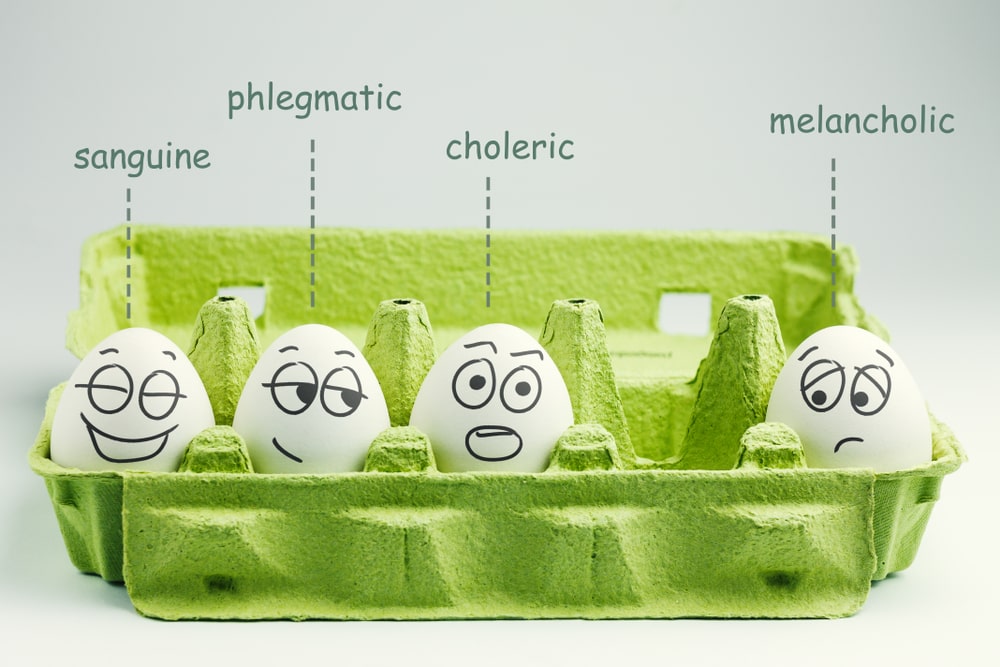
4 Types of Temperaments: Curious About Yours?

Were you ever curious about what temperaments are all about? When it comes to temperament,…

Read More →

Psychology Diary

The First Step Toward Change Is Awareness

Inedit Agency S.R.L.
Bucharest, Romania

contact@psychologydiary.com

Explore

  • About Us
  • Advertiser Disclosure
  • Contact Us
  • Disclaimer
  • Do not sell my personal information
  • Editorial Policy
  • Frequently Asked Questions
  • Privacy Policy
  • Terms and Conditions
  • Subscribe
  • Unsubscribe

Categories

  • Expert Tips
  • Family
  • Life
  • Marriage
  • Mental Health

© 2026 Psychology Diary. All rights reserved.