Psychology Diary

The First Step Toward Change Is Awareness

  • Home
  • Relationships
  • Mental Health
  • Expert Tips
  • Life
  • Family
  • Marriage

The Power of Forgiveness: How Letting Go Can Improve Your Mental Health

August 31, 2025 · Mental Health

Woman meditating peacefully in a sunlit room.

Life is a journey filled with complex relationships and experiences. Along the way, it is nearly inevitable that we will be hurt by the actions or words of others. Holding onto that pain, anger, and resentment can feel like carrying a heavy weight, one that colors our days and clouds our thoughts. This burden can impact our emotional health, strain our relationships, and even take a toll on our physical well-being. The idea of forgiveness can seem difficult, perhaps even impossible, depending on the depth of the wound. But what if letting go was not about the other person, but about freeing yourself?

Forgiveness is one of the most misunderstood concepts in mental wellness. It is not a simple, one-time decision but a gradual, internal process. It is an active choice to release the grip that resentment has on your life, allowing you to move forward with greater peace and purpose. The psychological benefits of forgiving someone are significant, offering a path toward improved mental health and a more resilient spirit.

This article is a guide to understanding the power of forgiveness. We will explore what it truly means, how it can improve your mental wellness, and provide practical, evidence-aware steps you can take to begin the process. This is a journey of self-compassion and healing, and it is one you can start today. Please remember, this information is for educational purposes and is not a substitute for professional medical advice. If you are struggling, speaking with a therapist or your primary care doctor is a courageous first step.


Pages: 1 2 3 4 5 6 7 8 9 10

Share this article

Facebook Twitter Pinterest LinkedIn Email

Leave a Reply Cancel reply

Your email address will not be published. Required fields are marked *

Search

Latest Posts

  • An ink and watercolor illustration of a person holding a large ceramic vase with glowing gold cracks, symbolizing hidden internal pressure. The Psychology of the Person Who Is Always Fine Until They Absolutely Aren't
  • A woman sits in a sunlit home library, looking thoughtfully out a window with an open book on her lap. 12 Signs of a High IQ
  • A candid photograph of a tense moment between a couple in a sunlit kitchen, one partner looking exhausted while the other looks away. 8 Traits of Someone Who Always Has to Be Right
  • A conceptual paper collage portrait made of torn fragments representing a fragmented digital identity with blue screen patterns. 10 Clues Someone Has a False Online Identity
  • A conceptual mixed media collage showing a silhouette with a peeling mask, revealing a deep indigo inner layer. 8 Trauma Responses That Get Mistaken for Personality Traits
  • A conceptual watercolor illustration of a senior's silhouette in soft blue, with a glowing gold ink pathway symbolizing an awakening virus. 6 Early Signs of Shingles Seniors Should Never Ignore
  • An illustration of a person on a ledge reaching for a fragile golden thread emerging from a glowing smartphone screen. 10 Clear Signs Your Partner Is Only Feeding You Breadcrumbs
  • An editorial illustration of a senior man in an armchair while his partner speaks from a distance, with her voice fading as watercolor mist. 7 Early Warning Signs of Hearing Loss That Seniors Often Dismiss as Normal Aging
  • An unposed photo of a man sitting at a kitchen table looking slightly guarded during a quiet, intimate conversation. 8 Body Language Clusters That Indicate Someone Is Holding Back the Truth
  • An ink and watercolor illustration of a morning coffee cup on a wooden table with a gentle ripple, symbolizing subtle early changes. 7 Subtle Signs of Parkinson's Disease in the Early Stages

Newsletter

Get the latest posts delivered to your inbox.

Related Articles

physical activity

8 Reasons Why Physical activity Is Good for Our Mental Health

Today, we will craft a guide meant to provide you with various tips on how…

Read More →
Early Psychotic Sign

10 Early Psychotic Signs You Need Therapy Right Now

If you have a difficult time recognizing the difference between what’s real and what isn’t,…

Read More →
Older adults listening in a support group.

Understanding Common Mental Health Challenges in Older Adults

As we navigate the rich and complex tapestry of later life, our focus often turns…

Read More →
mental health

Mental Health Struggles: 7 Usual (and True) Things People Go Through

…Is mental health a priority for you? If not, it should be. According to experts,…

Read More →
An ink and watercolor illustration of a morning coffee cup on a wooden table with a gentle ripple, symbolizing subtle early changes.

7 Subtle Signs of Parkinson’s Disease in the Early Stages

Discover the 7 subtle early signs of Parkinson's disease, from sleep changes and loss of…

Read More →
Emotional Abuse

6 Damaging After Effects of Emotional Abuse

Are you a victim of emotional abuse? Have you or someone you love suffered from…

Read More →
A woman in her 60s sits thoughtfully in a sunlit living room with a mug of tea, reflecting on connection and solitude.

Why Loneliness Hits Harder After 60—and How to Fix It

Discover why loneliness intensifies after 60, learn the difference between solitude and isolation, and explore…

Read More →
anger management

4 Anger Management Techniques Everyone Needs to Know

Have you been thinking about implementing some anger management in your life recently? When it…

Read More →
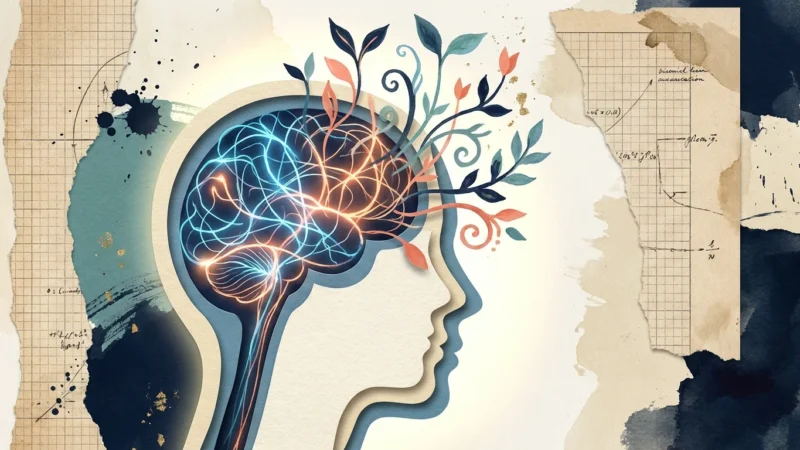
Conceptual paper-craft illustration of a brain with glowing neural pathways and botanical growth representing cognitive health.

The Link Between Physical Activity and Mental Sharpness After 60

Discover how combining aerobic and resistance training can actively rewire your brain, increase BDNF levels,…

Read More →

Psychology Diary

The First Step Toward Change Is Awareness

Inedit Agency S.R.L.
Bucharest, Romania

contact@psychologydiary.com

Explore

  • About Us
  • Advertiser Disclosure
  • Contact Us
  • Disclaimer
  • Do not sell my personal information
  • Editorial Policy
  • Frequently Asked Questions
  • Privacy Policy
  • Terms and Conditions
  • Subscribe
  • Unsubscribe

Categories

  • Expert Tips
  • Family
  • Life
  • Marriage
  • Mental Health

© 2026 Psychology Diary. All rights reserved.