Psychology Diary

The First Step Toward Change Is Awareness

  • Home
  • Relationships
  • Mental Health
  • Expert Tips
  • Life
  • Family
  • Marriage

Recognizing the Signs of a Nervous Breakdown in a Loved One

August 31, 2025 · Mental Health

Seniors in doctor's waiting room, one person looks anxious.

Special Considerations for Older Adults

When supporting an older adult (50+), there are unique factors to consider. The `signs of extreme stress` can sometimes be mistaken for normal aging, or they can be complicated by other health issues. A thoughtful approach is key.

Rule Out Physical Causes First

Many symptoms that look like a mental health crisis in older adults—such as confusion, apathy, irritability, and fatigue—can have physical roots. Before assuming the cause is purely psychological, it’s essential to encourage a thorough check-up with their primary care doctor.

Potential medical causes can include:

  • Medication side effects or interactions.
  • Untreated pain from conditions like arthritis.
  • Thyroid problems or vitamin deficiencies (especially B12).
  • Sensory changes, like hearing or vision loss, which can be socially isolating and disorienting.
  • Early signs of cognitive decline or dementia.

A doctor can run tests to rule these out, creating a clearer path for diagnosis and treatment. Always bring a current list of all medications, including over-the-counter supplements, to the appointment.

Navigating Grief, Loneliness, and Role Changes

Later life is often a time of significant transition, and these changes are major stressors. Retirement can bring a loss of identity and routine. The death of a spouse, friends, or siblings can lead to profound grief and loneliness. Chronic illness can limit independence and change one’s role within the family.

These losses are real and deserve to be acknowledged. Sometimes, what looks like a `nervous breakdown` is an intense and complicated grief response. It’s important to create space for them to talk about these losses without trying to rush them through their feelings. Support groups for bereavement or chronic illness can be incredibly helpful, connecting them with others who truly understand what they’re going through.

Overcoming Barriers to Care

Many older adults grew up in an era when mental health was not openly discussed, and there can be a great deal of stigma or shame attached to seeking help. They may have a “pull yourself up by your bootstraps” mentality and see therapy as a sign of weakness.

There can also be practical barriers. Transportation may be an issue if they no longer drive. Technology can also be a hurdle for telehealth appointments. You can help by:

  • Framing therapy as “stress management coaching” or “talking to an expert on coping skills.”
  • Offering to handle the technology for a telehealth call. Do a practice run with them so they feel comfortable. Help them log in and ensure the video and audio are working before the session starts.
  • Exploring options like in-home therapy or services that specialize in geriatric mental health.

Patience and gentle, persistent encouragement are your best tools.

Pages: 1 2 3 4 5 6 7 8 9

Share this article

Facebook Twitter Pinterest LinkedIn Email

Leave a Reply Cancel reply

Your email address will not be published. Required fields are marked *

Search

Latest Posts

  • A mixed media collage of a silhouette filled with torn paper and translucent layers, symbolizing the invisible nature of emotional neglect. 10 Traits of People Emotionally Neglected as Kids
  • A mixed-media collage showing a rigid, golden silhouette with cracks revealing a soft, watercolor interior, representing performative armor. 7 Behaviors People Mistake For Confidence But Aren’t
  • A woman sits alone at a kitchen table in dim evening light while her partner stands in the background, illustrating emotional distance. 9 Psychological Reasons Why People Stay in Unhappy Relationships
  • An illustration of a person using a prism to turn a chaotic blue wave into a clear spectrum of distinct colors. 10 Signs You Have Exceptionally High Emotional Intelligence
  • A mixed-media collage of an older person's profile filled with childhood drawings and school reports, representing deep-seated habits. 8 Childhood Habits That Still Secretly Shape Your Personality After 60
  • An abstract mixed-media piece showing bright yellow and orange splashes like a laugh, covering a dark, dense gray background. 7 Signs Someone Uses Humor To Avoid Serious Conversations
  • Two friends sitting at a kitchen table, unconsciously mirroring each other's posture by resting their chins on their hands. 7 Signs Someone Mirrors Your Personality Without Realizing It
  • A woman laughs at her phone while her friend sits beside her on a sofa with a forced, thin smile and envious eyes. 7 Friendship Behaviors That Reveal Hidden Jealousy
  • A mixed media collage showing a glowing smartphone screen inside a mirror frame, casting a shadow of a staged performance on a curtain. 7 Signs Someone Is Performing Kindness For Attention
  • A mixed media collage of a person in a theatrical spotlight while their partner sits in the shadows of a theater audience. 7 Signs Someone Loves Attention More Than They Love You

Newsletter

Get the latest posts delivered to your inbox.

Related Articles

ptsd

These 6 Conditions Are Related to PTSD

Anyone who has been through or witnessed a shocking event, such as a vehicle accident,…

Read More →
Social Anxiety

7 Senior Social Anxiety Symptoms and 8 Effortless Ways You Can Cope

Could you or a person you love be suffering from senior social anxiety? Senior social…

Read More →
memory, alzheimer's

Alzheimer’s Disease: 8 Early Signs You Shouldn’t Overlook

5. Challenges With Direction and Time For those living with Alzheimer’s, space- and time-related details…

Read More →
Mind-Decluttering Technique

8 Inspiring Mind-Decluttering Techniques for More Peace and Less Stress

Stop Multi-Tasking. How would you begin if your house was a mess and you needed…

Read More →
Alzheimer's

6 Surprising Truths About Alzheimer’s. Why Is Nobody Talking About Them?

This year in the U.S., it’s anticipated that there will be close to 500,000 new…

Read More →
toxic friendship

How to Spot Toxic Friendships Before They Drain You

Talking about toxic friendships? How they really are, how they mess with peace of mind,…

Read More →
Lonely, frienship, feel

Feeling Lonely? Here Are 8 Genius Ways to Combat Isolation in Retirement

If you or an elderly person you love has been feeling lonely, this article’s for…

Read More →
Negative Body Language

8 Ways Negative Body Language Is Damaging Your Self-Confidence

Do you have negative body language? Have you ever walked into a room and instantly…

Read More →
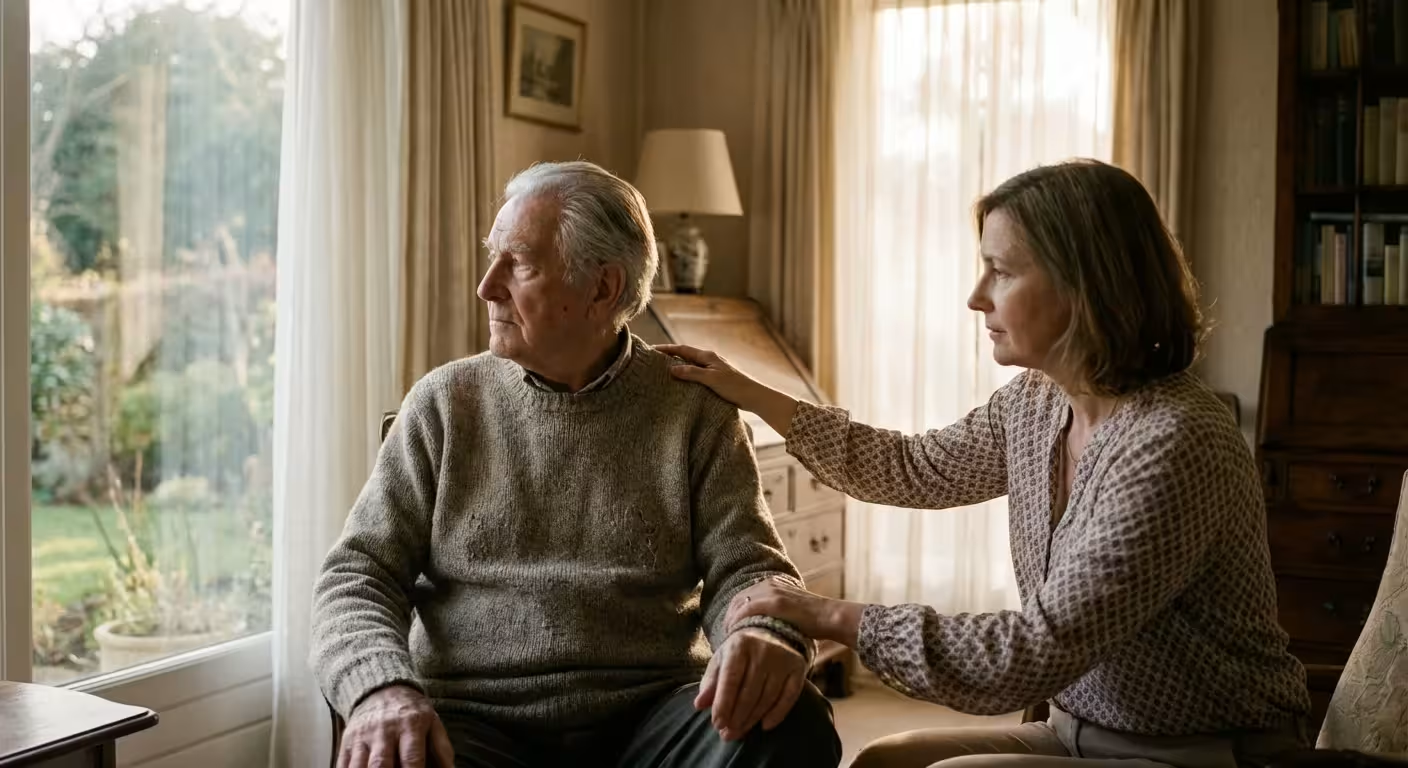
An adult daughter comforting her elderly father by a sunlit window.

5 Early Warning Signs of Alzheimer’s Most People Ignore

Discover the 5 subtle early warning signs of Alzheimer's most people ignore, including apathy, visual-spatial…

Read More →

Psychology Diary

The First Step Toward Change Is Awareness

Inedit Agency S.R.L.
Bucharest, Romania

contact@psychologydiary.com

Explore

  • About Us
  • Advertiser Disclosure
  • Contact Us
  • Disclaimer
  • Do not sell my personal information
  • Editorial Policy
  • Frequently Asked Questions
  • Privacy Policy
  • Terms and Conditions
  • Subscribe
  • Unsubscribe

Categories

  • Expert Tips
  • Family
  • Life
  • Marriage
  • Mental Health

© 2026 Psychology Diary. All rights reserved.