
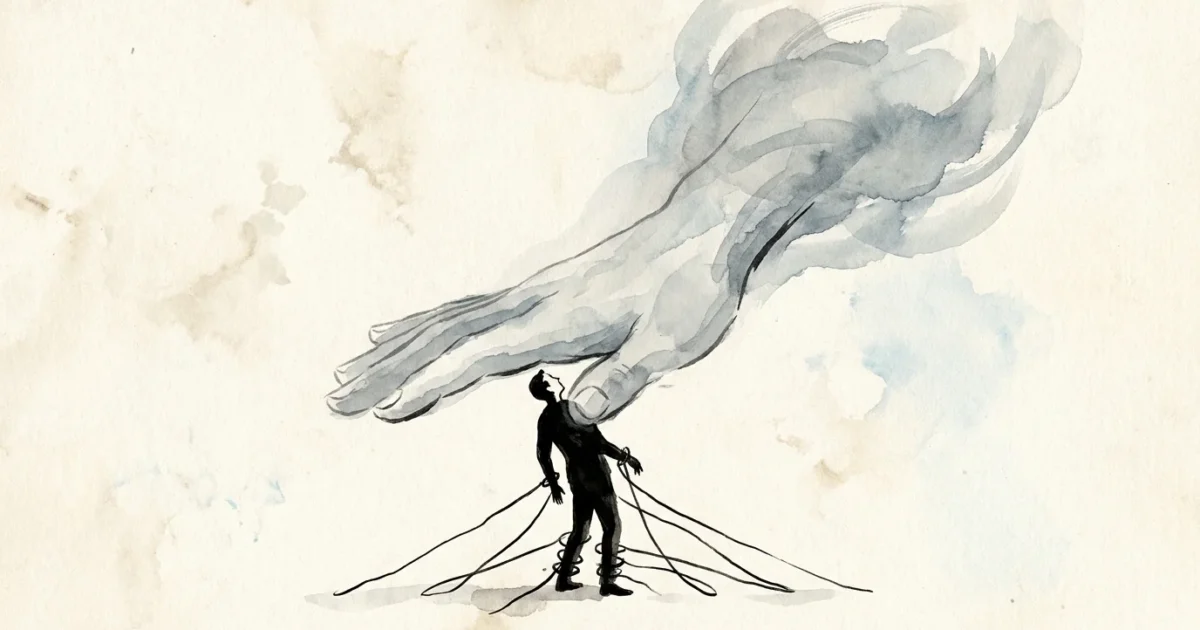
Guilt is a natural emotion designed to repair relationships when you make a genuine mistake, but toxic individuals weaponize this feeling to bypass your boundaries and dictate your behavior. When someone uses guilt manipulation, they distort reality to make you feel completely responsible for their emotional well-being. This tactic traps you in a frustrating cycle of obligation and deep self-doubt. Recognizing these psychological maneuvers is the essential first step toward reclaiming your personal autonomy. Rather than relying on obvious aggression, this emotional coercion operates quietly through passive-aggressive comments, strategic victimization, and shifting goalposts. By understanding the behavioral red flags of guilt-tripping, you can separate actual responsibilities from manufactured burdens and break free from controlling relationship dynamics.

The Psychology Behind Guilt Manipulation
To understand how guilt is used as a weapon, you must first understand its original, healthy purpose. Healthy guilt acts as an internal moral compass. When you act in a way that violates your own values—like snapping at a loved one or forgetting an important promise—healthy guilt prompts you to apologize, repair the rupture, and change your future behavior. It is fundamentally about growth and connection.
Guilt manipulation, however, is an external pressure mechanism. It occurs when another person intentionally or instinctively pushes your emotional buttons to force your compliance. Clinical psychologist Dr. George K. Simon identifies guilt-tripping as a specific intimidation tactic where a manipulator suggests to a conscientious victim that they do not care enough or are acting selfishly. This tactic keeps the victim in a submissive, anxious, and self-doubting position.
Manipulators specifically target empathetic, agreeable people because these individuals naturally care about how their actions affect others. Over time, the psychological toll of this dynamic is severe. Research published in 2010 demonstrated that persistent guilt can significantly worsen symptoms of anxiety, depression, and obsessive-compulsive disorder. Furthermore, frequent guilt-tripping damages the foundation of a relationship, leading to deep-seated resentment and a loss of intimacy.

Sign 1: They Keep Score of Past Favors and Sacrifices
One of the most common signs of guilt manipulation is the weaponization of the past. In a healthy relationship, people give support, time, and resources freely out of love and care. In a toxic dynamic, every favor is meticulously logged into a mental ledger, ready to be cashed in when the manipulator wants something from you.
You might hear phrases like, “After everything I’ve sacrificed for you, you can’t do this one simple thing for me?” or “I gave up my career to raise you, and this is how you repay me?”
This tactic transforms a relationship into a transactional hostage situation. By framing their past choices as monumental sacrifices made exclusively for your benefit, they manufacture a permanent emotional debt. You are left feeling that you can never truly balance the scales, forcing you to constantly yield to their demands.
Actionable Insight: Separate the past from the present. You can express gratitude for their past help while firmly maintaining your current boundary. Try responding with, “I am incredibly grateful for everything you did for me, but I am still not available to attend the event this weekend.”

Sign 2: They Play the Martyr to Shift Responsibility
The martyr complex is a highly effective form of guilt-tripping where the individual casts themselves as the ultimate victim of circumstance—and usually, of you. When you try to address a problem or set a boundary, they immediately deflect accountability by exaggerating their own suffering.
If you ask a partner to help more with household chores, a martyr won’t address the chores. Instead, they will say, “I guess I’m just a terrible partner. I work so hard, but nothing I do is ever good enough for you.” Suddenly, the conversation is no longer about the dishes; it is about reassuring them that they are not a terrible person.
This manipulative maneuver forces you to drop your legitimate complaint and step into the role of emotional rescuer. You end up apologizing for bringing up the issue in the first place.
Actionable Insight: Do not take the bait. Stay focused on the original issue. You might say, “I never said you were a terrible partner. I am specifically asking for help with the household responsibilities. We can talk about how you’re feeling, but we still need to resolve the schedule.”

Sign 3: They Weaponize the “Silent Treatment”
The silent treatment is far more than just taking space to cool down after an argument; it is a calculated punitive measure known as love withdrawal. When you fail to comply with their wishes, the manipulator suddenly becomes cold, withholding affection, communication, and eye contact.
This silence is deafening. It triggers a primal fear of abandonment, especially in highly empathetic individuals. A notable 2008 study found that the combination of guilt trips and love withdrawal predicts increased depressive symptoms. The goal of the silent treatment is to make the psychological discomfort so unbearable that you eventually cave in, apologize for a transgression you didn’t commit, and beg for their re-engagement.
Actionable Insight: Recognize the silent treatment for what it is: emotional coercion. Do not chase them, and do not over-apologize to buy back their affection. Let them be silent. You might state, “I see you aren’t ready to talk right now. I will be in the other room when you are ready to have a respectful conversation.”

Sign 4: They Compare You to Others to Manufacture Shame
Guilt-trippers often use comparison to highlight your perceived inadequacies. They will point out how a sibling, a friend, or a neighbor behaves, subtly implying that you are failing by comparison. “Your brother always calls his mother on Sundays,” or “Sarah’s husband always buys her flowers without being asked.”
This tactic is particularly dangerous because it crosses the line from guilt into shame. While guilt says “I did something bad,” shame says “I am bad.” A 2018 study highlighted that when guilt morphs into shame, it directly damages a person’s self-esteem and promotes severe social isolation.
“The majority of shame researchers agree that the difference between shame and guilt is best understood as the differences between ‘I am bad’ (shame) and ‘I did something bad’ (guilt). Shame is about who we are and guilt is about our behaviors.” — Brené Brown, Ph.D.
Actionable Insight: When faced with comparisons, refuse to internalize the shame. Remind yourself that you are not competing in a relationship Olympics. You can respond clearly: “I am not my brother, and our relationship is different. I am doing the best I can with the time I have.”
Sign 5: They Exaggerate Their Suffering When You Set Boundaries
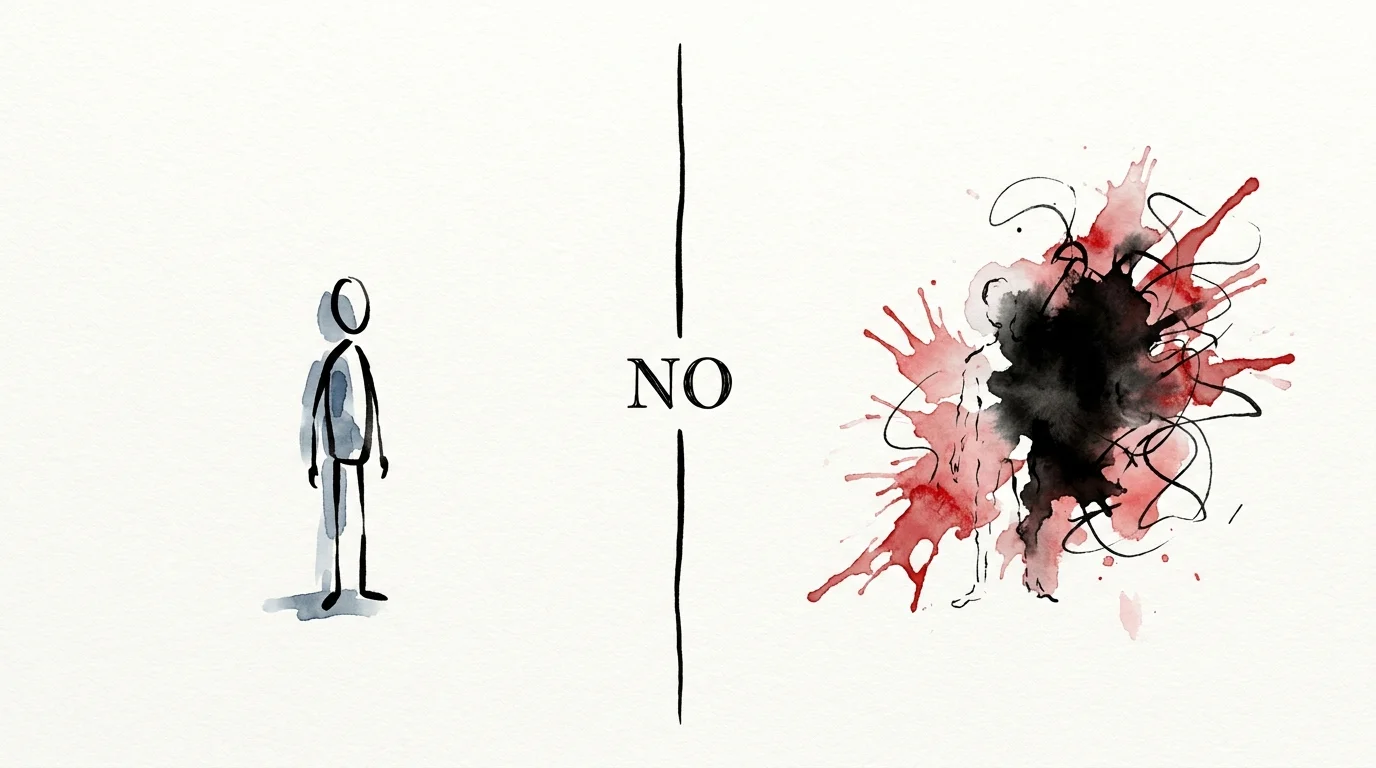
When you establish a healthy boundary, a person using guilt manipulation will often react as if you have caused them a catastrophic injury. They rely on dramatic emotional displays to make you feel ruthless and cold-hearted.
If you tell a toxic parent that you cannot host them for the holidays this year, they might clutch their chest, cry hysterically, or say, “You’re breaking my heart. I probably won’t even be alive next year.” They effectively make their emotional regulation your full-time responsibility. The message is clear: your autonomy causes them pain.
Actionable Insight: Empathy does not require you to abandon your boundaries. You can validate their disappointment without changing your mind. “I know this is incredibly disappointing for you to hear, and I hate that you’re hurting, but my decision to stay home this year is final.”

Sign 6: They Use Passive-Aggressive Sarcasm and Sighs
Not all guilt trips are delivered through dramatic speeches. Some of the most effective emotional manipulation is entirely non-verbal or veiled in sarcasm. The manipulator might rely on dramatic sighs, eye rolls, heavy footsteps, or under-the-breath comments to broadcast their displeasure.
If you tell a guilt-tripping friend you can’t help them move, they might reply, “Oh, no problem at all. I’ll just do it all by myself with my bad back. Don’t worry about me.”
This passive-aggressive behavior is designed to make you feel awful while giving the manipulator plausible deniability. If you call them out, they will instantly retreat, claiming, “I didn’t say anything! Why are you so defensive?”
Actionable Insight: Take passive-aggressive comments strictly at face value. Do not dig for the hidden subtext or try to soothe the implied hurt. Reply simply, “Great, I’m glad you have it handled. Let me know how the move goes!” By refusing to engage with the subtext, you short-circuit the manipulation.

Sign 7: They Demand Immediate Compliance and Withhold Forgiveness
In healthy relationships, conflict resolution involves mutual understanding, a genuine apology, and moving forward. Someone using guilt manipulation, however, will endlessly dangle forgiveness out of reach. Even after you have apologized profusely, they will repeatedly resurrect the issue in future arguments to maintain the upper hand.
Relationship research, including frameworks from The Gottman Institute, shows that chronic contempt and unresolved conflict are fatal to relationship satisfaction. The guilt-tripper uses the unresolved issue as leverage to demand immediate compliance with their future requests. You are kept in a perpetual state of probation.
Actionable Insight: Accept that you cannot control whether someone chooses to forgive you. If you have made a genuine mistake, offer a sincere apology and change your behavior. If they refuse to move on and continue to punish you, recognize that the lack of forgiveness is a control tactic, not a reflection of your worth.
Myths Worth Debunking
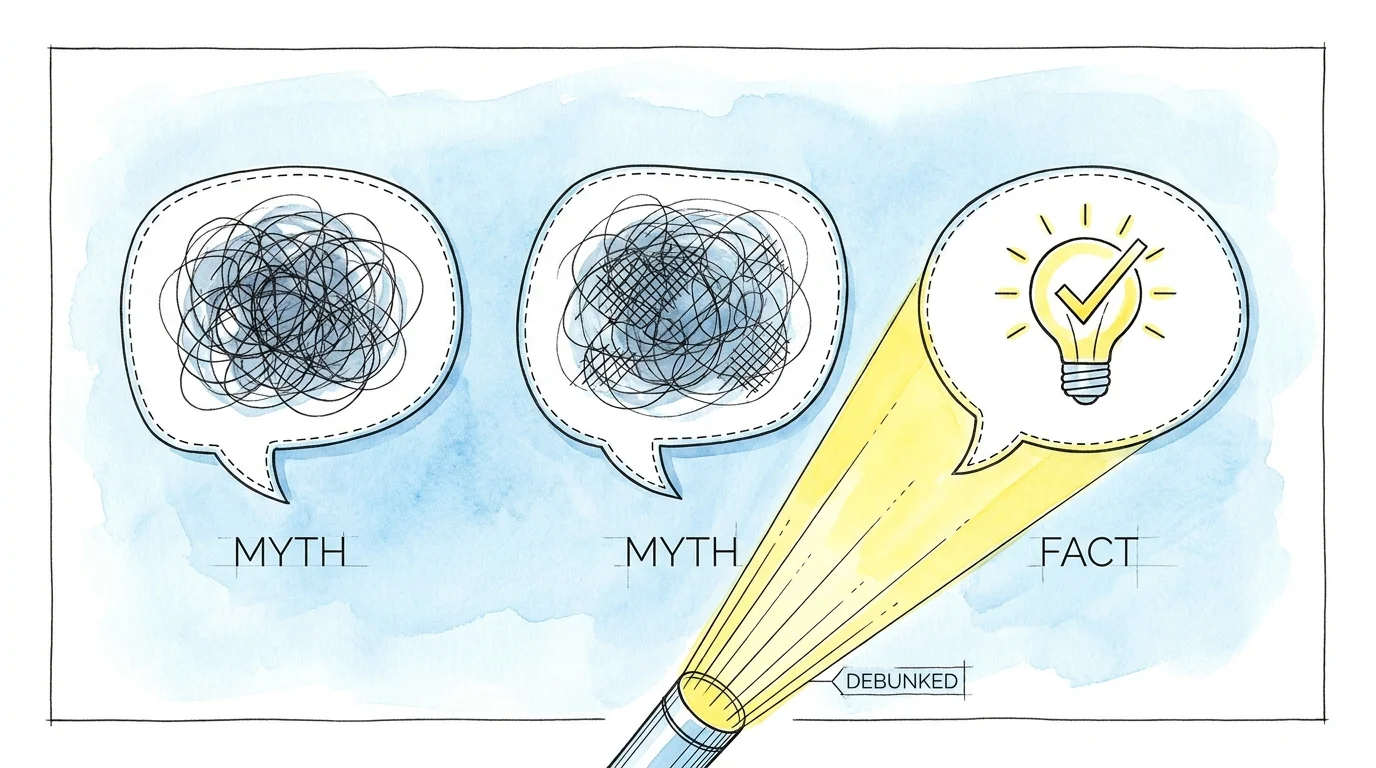
Guilt manipulation thrives in the shadows of misunderstanding. By debunking common relationship myths, you can better protect your emotional well-being.
| Myth | Reality |
|---|---|
| Guilt-tripping is just a normal way families communicate. | While common in many dysfunctional family systems, it is not “normal” or healthy. It is a form of passive-aggressive emotional coercion that erodes trust. |
| If I feel guilty, it means I am doing something wrong. | Empathetic people often feel guilt simply because someone else is upset. Feeling guilty when setting a healthy boundary does not mean the boundary is wrong. |
| They are only guilt-tripping me because they love me so much. | Guilt-tripping is rooted in a desire for control and a fear of abandonment, not love. Genuine love respects autonomy and boundaries. |
| If I explain myself better, they will stop using guilt. | Over-explaining often gives a manipulator more material to twist. Clear, firm boundaries are far more effective than endless justification. |

Signs It’s Time to Talk to a Therapist
Dealing with chronic guilt manipulation can severely impact your mental health. Consider reaching out to a licensed professional through resources like Psychology Today or the National Institute of Mental Health if you experience the following:
- You constantly doubt your own reality: You frequently question your memory of events or feel like you are always the “crazy” or “mean” one in the dynamic.
- Your physical health is deteriorating: The thought of interacting with this person causes physical anxiety symptoms, such as an accelerated heart rate, nausea, or insomnia.
- You have isolated yourself: You have withdrawn from other friends, family, or hobbies simply because managing the manipulator’s emotions takes up all your energy.
- You engage in chronic “fawning”: You automatically abandon your own needs, opinions, and boundaries to appease the other person and avoid their displeasure.
Frequently Asked Questions
What is the difference between guilt-tripping and gaslighting?
While both are forms of psychological manipulation, their targets differ. Guilt-tripping targets your emotions, specifically your sense of empathy and obligation, making you feel bad about your choices. Gaslighting targets your perception of reality, making you doubt your own memories, judgment, and sanity. They are often used together; a manipulator might guilt-trip you, and then gaslight you by denying they ever tried to make you feel guilty.
Are guilt-trippers always aware they are manipulating me?
Not always. According to the American Psychological Association and various psychological frameworks, guilt-tripping is sometimes an unconscious defense mechanism. Individuals who lack healthy communication skills or harbor deep fears of rejection may instinctively use guilt to keep you close. However, whether the behavior is conscious or unconscious, the negative impact on your mental health remains the same, and boundaries are still necessary.
How do I stop feeling guilty when I finally say no?
You may not be able to stop the initial surge of guilt right away, and that is completely okay. Accept that as an empathetic person, saying no will feel uncomfortable at first. Treat the guilt like a false alarm going off in your brain. Acknowledge the feeling, remind yourself of the logical reason for your boundary, and let the emotion pass without acting on it to appease the other person.
Reclaiming Your Autonomy
Breaking free from guilt manipulation requires courage and a fundamental shift in how you view your responsibilities. You are entirely responsible for your own actions, words, and ethical behavior. You are not, however, responsible for managing another adult’s emotional state or shielding them from the consequences of their own choices.
When you begin to set boundaries, the manipulator will likely escalate their guilt-tripping tactics before they back down. This escalation is a sign that your boundaries are working. Stand firm, prioritize your mental well-being, and surround yourself with relationships that celebrate your autonomy rather than punishing it. Over time, the heavy fog of manufactured obligation will lift, leaving you with clearer vision and a stronger sense of self.
This article provides general educational information about psychology and relationships. It is not a substitute for professional therapy or medical advice. Everyone’s situation is unique—if you’re struggling, please reach out to a licensed mental health professional.
Last updated: May 2026. Psychology research evolves continuously—verify current findings with professional sources.









Leave a Reply