
Psychology Diary

The First Step Toward Change Is Awareness

  • Home
  • Relationships
  • Mental Health
  • Expert Tips
  • Life
  • Family
  • Marriage

How to Support a Partner or Friend Experiencing a Mental Health Crisis

August 31, 2025 · Mental Health

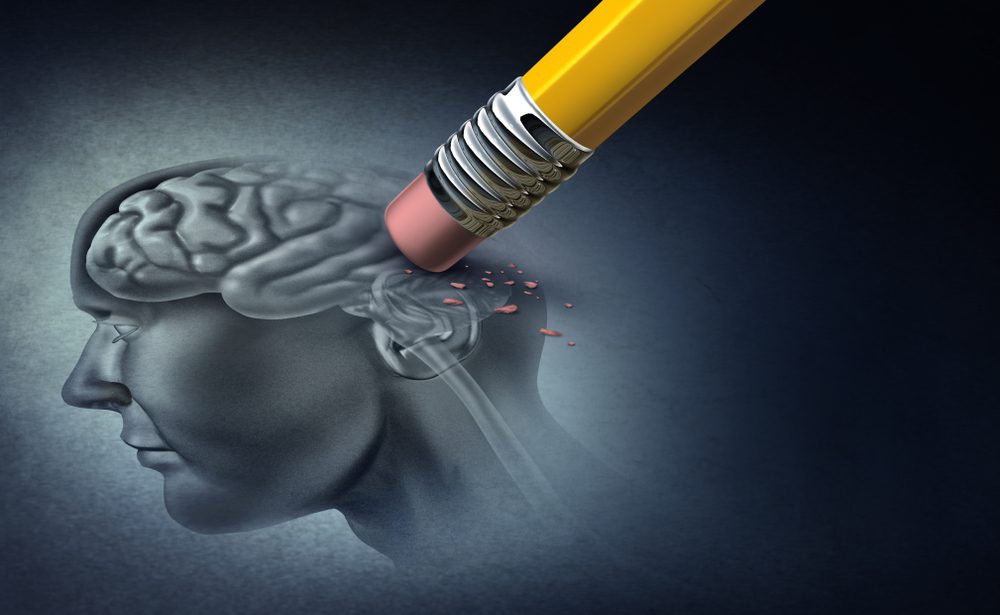
Person sitting alone with worried expression, reflecting at home.

Frequently Asked Questions (FAQs)

What if they refuse help?

This is a common and heartbreaking situation. You cannot force an adult to seek help unless they are an immediate danger to themselves or others. What you can do is continue to express your concern from a place of love. Keep the door open. You can say, “I respect your decision, but I want you to know that I am still worried about you, and I’ll be here if you change your mind.” Continue to offer practical support and maintain the relationship. Sometimes, it takes time for a person to become ready.

How long does a mental health crisis last?

There is no set timeline. An acute crisis, like a panic attack, might last for minutes or hours. A depressive episode can last for weeks or months. The duration depends on the individual, the nature of the condition, the support system, and access to effective treatment. Recovery is a process, not an event.

Can I be held responsible for their actions?

This is a common fear for caregivers. It’s important to understand that you are responsible for your own actions—providing support, encouraging help, and calling for emergency services when necessary. You are not responsible for the choices another adult makes. Focusing on what you *can* control, rather than what you can’t, is essential for your own well-being.

Pages: 1 2 3 4 5 6 7 8 9 10 11

Share this article

Facebook Twitter Pinterest LinkedIn Email

Leave a Reply Cancel reply

Your email address will not be published. Required fields are marked *

Search

Latest Posts

  • A conceptual illustration showing a father and daughter separated by a deep chasm in the floor of their dining room. 10 Habits That Push People Away (Your Children Too)
  • A conceptual collage of a head silhouette filled with shattered mirrors and warped photos, symbolizing reality distortion. 8 Ways People Distort Reality
  • An elderly woman sits alone at a dining table in soft afternoon light, looking down at a tea cup in a quiet, nostalgic home setting. 9 Emotional Wounds Adult Children Simply Don’t Realize They’re Inflicting On Their Parents
  • A mixed-media collage of a fragmented silhouette head with an anchor being cut, symbolizing the loss of one's grip on reality. 10 Signs Someone Is Trying to Distort Your Reality
  • A mixed media collage of a beautiful white flower with hidden barbed wire roots and thorny stems on a textured vintage paper background. 8 Behaviors That Reveal Hidden Toxicity
  • A candid photo of a couple in a dim living room, showing a sense of emotional distance and unspoken tension. 10 Traits That May Reveal Covert Narcissism
  • A couple sits on a sofa in a dimly lit room, one person looking at a phone while the other looks away, capturing a moment of secrecy. 8 Signs Someone May Be Hiding More Than They Admit
  • An ink and watercolor illustration of a human head cracking like stone, with golden light leaking through the fissures. 11 Small Clues That Can Expose a Lie
  • An abstract editorial illustration of a silhouette with a tangled nest of lines inside its head, symbolizing mental confusion. 8 Warning Signs Someone May Be Playing Mind Games
  • A mixed media collage of a silhouette filled with torn paper and translucent layers, symbolizing the invisible nature of emotional neglect. 10 Traits of People Emotionally Neglected as Kids

Newsletter

Get the latest posts delivered to your inbox.

Related Articles

Sudden Retirement Syndrome

4 Signs of Sudden Retirement Syndrome and How to Deal With It

How to cope with sudden retirement syndrome Experts recommend the following tips to help new…

Read More →
Depression

Dating With Depression: 10 Smart Tips to Conquer This Disorder

If you thought dating is hard, dating with depression is a whole new challenge. More…

Read More →
signs of anxiety war

Top 6 Earliest Signs of Anxiety Disorder in Seniors

6. Finding it hard to concentrate This is one of the signs of anxiety that…

Read More →
Negative Body Language

8 Ways Negative Body Language Is Damaging Your Self-Confidence

Do you have negative body language? Have you ever walked into a room and instantly…

Read More →
anxiety, relationship, stress

These Are the 6 Types of Anxiety Disorders

#6 Substance or Medication-Induced Anxiety Disorder The medical term for anxiety or panic attacks brought…

Read More →
burnout, causes and symptoms

Burnout: Causes and Symptoms explained by Psychologists

What is burnout? Causes and symptoms are presented and explained by psychologists in the following…

Read More →
Schizophrenia

Schizophrenia: 5 Telltale Signs of a Debilitating Disorder

When Should Someone Seek Help? Schizophrenia tends to develop gradually. So it can be hard…

Read More →
triggers

13 Dangerous Psychological Triggers and How to Overcome Them

Triggers are natural sensory reminders that might cause painful memories or some symptoms to resurface.…

Read More →
Emotional Abuse

6 Damaging After Effects of Emotional Abuse

When should you seek professional help? Even though lifestyle changes might be all it takes…

Read More →

Psychology Diary

The First Step Toward Change Is Awareness

Inedit Agency S.R.L.
Bucharest, Romania

contact@psychologydiary.com

Explore

  • About Us
  • Advertiser Disclosure
  • Contact Us
  • Disclaimer
  • Do not sell my personal information
  • Editorial Policy
  • Frequently Asked Questions
  • Privacy Policy
  • Terms and Conditions
  • Subscribe
  • Unsubscribe

Categories

  • Expert Tips
  • Family
  • Life
  • Marriage
  • Mental Health

© 2026 Psychology Diary. All rights reserved.