
Psychology Diary

The First Step Toward Change Is Awareness

  • Home
  • Relationships
  • Mental Health
  • Expert Tips
  • Life
  • Family
  • Marriage

Understanding Common Mental Health Challenges in Older Adults

August 31, 2025 · Mental Health

Worried senior woman sitting on porch.

Navigating Anxiety in Seniors

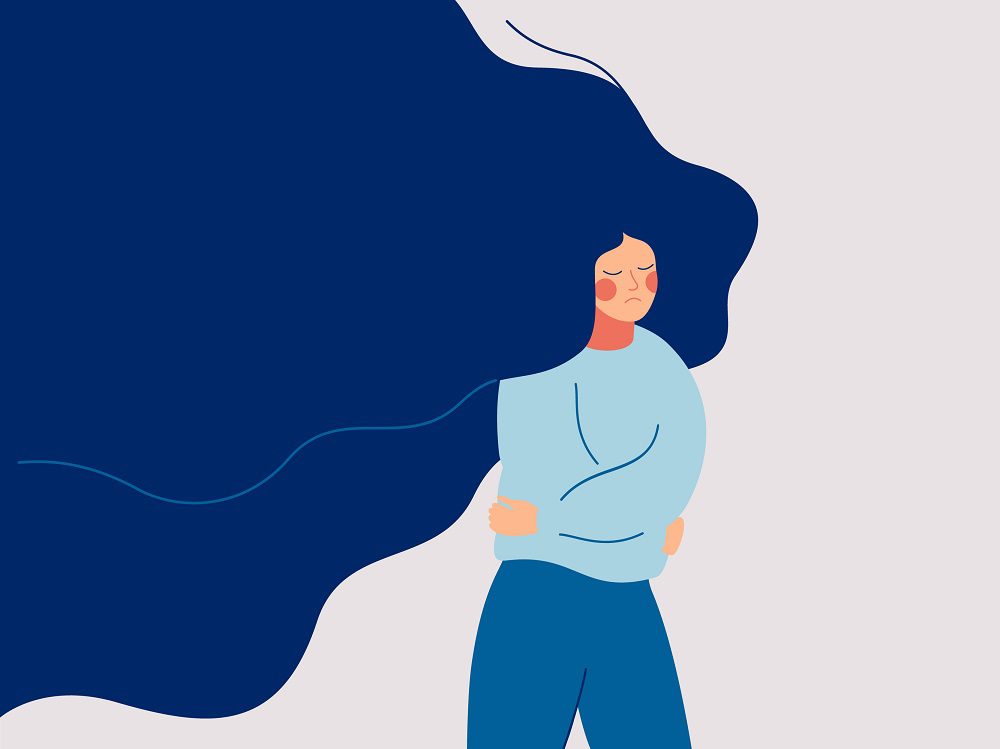
While depression often involves looking back with regret, anxiety is about looking forward with fear. Concerns about health, finances, safety, or the well-being of family can become overwhelming, leading to a state of constant worry that interferes with daily life. Like depression, anxiety in seniors can have a strong physical component.

Symptoms of an anxiety disorder can include:

  • Excessive worry that is difficult to control.
  • Feeling restless, keyed up, or on edge.
  • Physical symptoms like a racing heart, shortness of breath, trembling, sweating, or stomach problems.
  • Avoiding situations that trigger worry, such as driving, going to crowded places, or even leaving the house.
  • Difficulty sleeping because of racing thoughts.

This state of high alert is exhausting. Fortunately, there are grounded, practical skills that can help calm the nervous system in the moment and retrain the brain’s response to worry over time.

Skill 1: The 5-4-3-2-1 Grounding Technique

When you feel a wave of panic or anxiety, your mind is stuck in “what if” thoughts about the future. Grounding pulls your attention back to the present moment and the safety of your immediate environment. It uses your five senses.

Wherever you are, pause and gently notice:

5: Five things you can see. Look around and name them silently to yourself. The lamp on the table. The pattern on the rug. A crack in the ceiling. The blue of my shirt. A tree outside the window.

4: Four things you can feel. Notice the physical sensations. The texture of the chair against my back. The warmth of my hands. The smooth surface of my phone. My feet flat on the floor.

3: Three things you can hear. Listen carefully to the sounds around you. The hum of the refrigerator. A car driving by. My own breathing.

2: Two things you can smell. This might be subtle. The faint scent of coffee in the air. The clean smell of laundry soap on my clothes.

1: One thing you can taste. The lingering taste of toothpaste. Or take a sip of water and notice its coolness.

This exercise breaks the cycle of racing thoughts by redirecting your brain’s focus. It’s simple, discreet, and can be done anywhere.

Skill 2: Scheduled “Worry Time”

It sounds counterintuitive, but giving your worries a specific, contained appointment can keep them from taking over your entire day. Designate a 15-minute period each day—for example, 4:30 PM to 4:45 PM—as your official “Worry Time.”

During this time, you are allowed to worry intensely. Write down all your fears, think through worst-case scenarios, and let your mind go there. When the timer goes off, you stop. If a worry pops up at another time of day, acknowledge it and tell yourself, “Thank you for that thought. I will think about it during my scheduled Worry Time at 4:30.” This practice helps you regain a sense of control, teaching your brain that you are in charge of when you engage with worry.

For persistent anxiety, therapies like Cognitive Behavioral Therapy (CBT) are considered a gold standard. A CBT therapist can help you identify, challenge, and reframe the catastrophic thinking patterns that fuel anxiety, providing you with a robust toolkit for long-term management.

Pages: 1 2 3 4 5 6 7 8 9 10

Share this article

Facebook Twitter Pinterest LinkedIn Email

Leave a Reply Cancel reply

Your email address will not be published. Required fields are marked *

Search

Latest Posts

  • 10 Habits That Push People Away (Your Children Too)
  • 8 Ways People Distort Reality
  • 9 Emotional Wounds Adult Children Simply Don’t Realize They’re Inflicting On Their Parents
  • A mixed-media collage of a fragmented silhouette head with an anchor being cut, symbolizing the loss of one's grip on reality. 10 Signs Someone Is Trying to Distort Your Reality
  • A mixed media collage of a beautiful white flower with hidden barbed wire roots and thorny stems on a textured vintage paper background. 8 Behaviors That Reveal Hidden Toxicity
  • A candid photo of a couple in a dim living room, showing a sense of emotional distance and unspoken tension. 10 Traits That May Reveal Covert Narcissism
  • A couple sits on a sofa in a dimly lit room, one person looking at a phone while the other looks away, capturing a moment of secrecy. 8 Signs Someone May Be Hiding More Than They Admit
  • An ink and watercolor illustration of a human head cracking like stone, with golden light leaking through the fissures. 11 Small Clues That Can Expose a Lie
  • An abstract editorial illustration of a silhouette with a tangled nest of lines inside its head, symbolizing mental confusion. 8 Warning Signs Someone May Be Playing Mind Games
  • A mixed media collage of a silhouette filled with torn paper and translucent layers, symbolizing the invisible nature of emotional neglect. 10 Traits of People Emotionally Neglected as Kids

Newsletter

Get the latest posts delivered to your inbox.

Related Articles

A senior woman in a sunlit room excitedly examines a green leaf through a magnifying glass, surrounded by plants and gardening tools.

Why Seniors Who Stay Curious Live Longer—And How to Cultivate It

Discover the psychological and neurological reasons why staying curious helps older adults live longer, along…

Read More →
affect

7 Negative Ways in Which Stress Affects the Body

Stress Affects Your Pain Experience Due to how stress affects your body, in moments of…

Read More →
men become cranky as they age

Why Do Men Become Cranky as They Age? 9 Psychological Reasons

The psychological explanation behind “Why do men become cranky as they age”  The phrase “grumpy…

Read More →
A man in his 60s working with clay in a pottery studio, symbolizing the transition from a career to a new personal purpose.

How to Rebuild Your Identity and Purpose After You Stop Working

Discover actionable, research-backed strategies to rebuild your identity, navigate emotional transitions, and find genuine purpose…

Read More →
mental health

Mental Health Struggles: 7 Usual (and True) Things People Go Through

…Is mental health a priority for you? If not, it should be. According to experts,…

Read More →
toxic self relationship and self love, taking to a narcissist, midlife crisis

5 Clear Indicators of Toxic Self-Relationship

How toxic are you being with yourself? I hope you know that more important than…

Read More →
triggers

13 Dangerous Psychological Triggers and How to Overcome Them

Triggers are natural sensory reminders that might cause painful memories or some symptoms to resurface.…

Read More →
ptsd

These 6 Conditions Are Related to PTSD

Anyone who has been through or witnessed a shocking event, such as a vehicle accident,…

Read More →

10 Times You Should NOT Forgive Anyone

Have you ever wondered if it’s okay not to forgive someone? Is it acceptable to…

Read More →

Psychology Diary

The First Step Toward Change Is Awareness

Inedit Agency S.R.L.
Bucharest, Romania

contact@psychologydiary.com

Explore

  • About Us
  • Advertiser Disclosure
  • Contact Us
  • Disclaimer
  • Do not sell my personal information
  • Editorial Policy
  • Frequently Asked Questions
  • Privacy Policy
  • Terms and Conditions
  • Subscribe
  • Unsubscribe

Categories

  • Expert Tips
  • Family
  • Life
  • Marriage
  • Mental Health

© 2026 Psychology Diary. All rights reserved.