
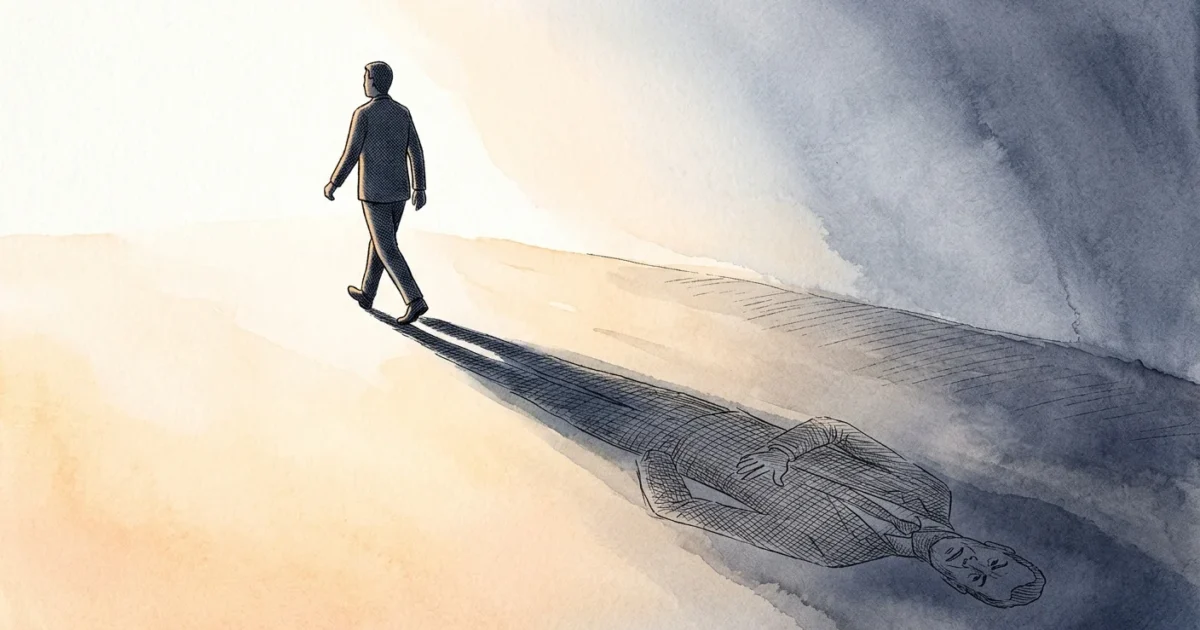
Growing up with a narcissistic parent leaves an invisible imprint on your development, often manifesting as chronic self-doubt, relentless perfectionism, or an overwhelming need to please others. When a caregiver’s love is conditional and tethered to their ego, you quickly learn to suppress your needs to maintain peace. Recognizing these lingering effects is the first step toward breaking cycles of emotional neglect. If you constantly question your reality or feel disproportionately responsible for the emotional states of those around you, your childhood environment likely lacked essential psychological safety. Understanding the ten specific signs of a narcissistic upbringing empowers you to untangle your parent’s limitations from your inherent self-worth and finally begin a genuine healing process.
The Hidden Impact of a Narcissistic Upbringing
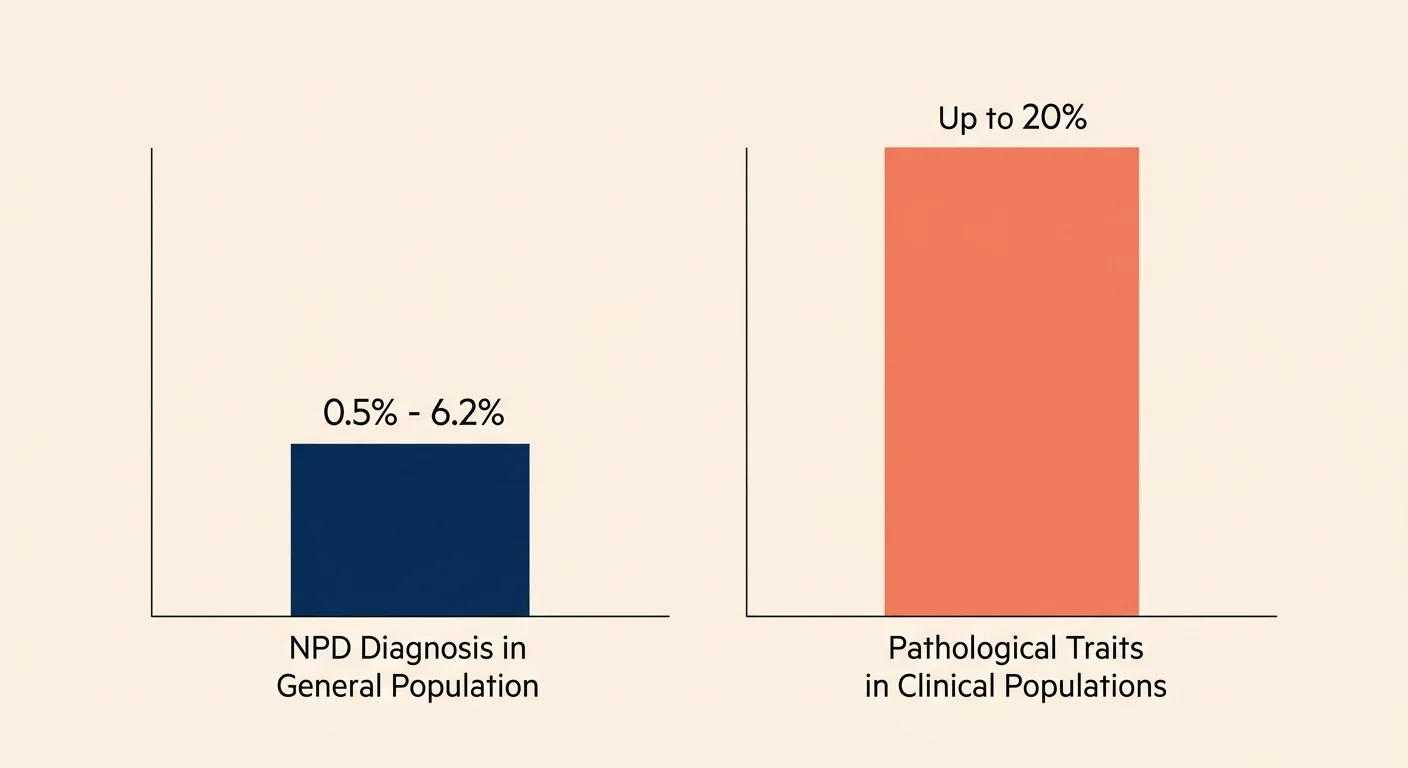
Narcissistic parenting fundamentally disrupts the natural order of a family. In a healthy household, the parents serve as a secure emotional base for the child. In a narcissistic household, the child exists to stabilize the parent’s fragile ego. According to the Diagnostic and Statistical Manual of Mental Disorders (DSM-5-TR), Narcissistic Personality Disorder (NPD) is estimated to affect between 0.5% and 6.2% of the general population. However, researchers note that pathological narcissistic traits—which do not always meet the strict criteria for a full diagnosis—are highly prevalent, appearing in up to 20% of clinical populations.
A parent does not need a formal NPD diagnosis to cause profound developmental harm. When a caregiver operates with a pervasive pattern of grandiosity, a constant need for admiration, and a significant lack of empathy, they create an environment defined by emotional unpredictability. Children subjected to these conditions often develop complex trauma responses. Because you depended on this person for survival, your brain brilliantly adapted to their dysfunction. You adopted specific survival mechanisms to navigate their volatile moods, shifting rules, and conditional affection. While these adaptations kept you safe in childhood, they often transform into self-sabotaging behaviors in adulthood.
1. You Navigate Chronic Self-Doubt and Gaslighting
A narcissistic parent frequently rewrites history to protect their self-image. If you ever brought up a hurt or pointed out a broken promise, you likely encountered absolute denial. Phrases like “That never happened,” “You’re making things up,” or “You’re too sensitive” were weaponized against you. Over time, this chronic reality distortion—known as gaslighting—erodes your ability to trust your own mind.
As an adult, this translates into paralyzing self-doubt. You might find yourself constantly apologizing for things that are not your fault, compulsively seeking validation from others before making minor decisions, or feeling like you are fundamentally flawed. Because your baseline reality was always subject to your parent’s revision, you struggle to anchor yourself in your own truth.
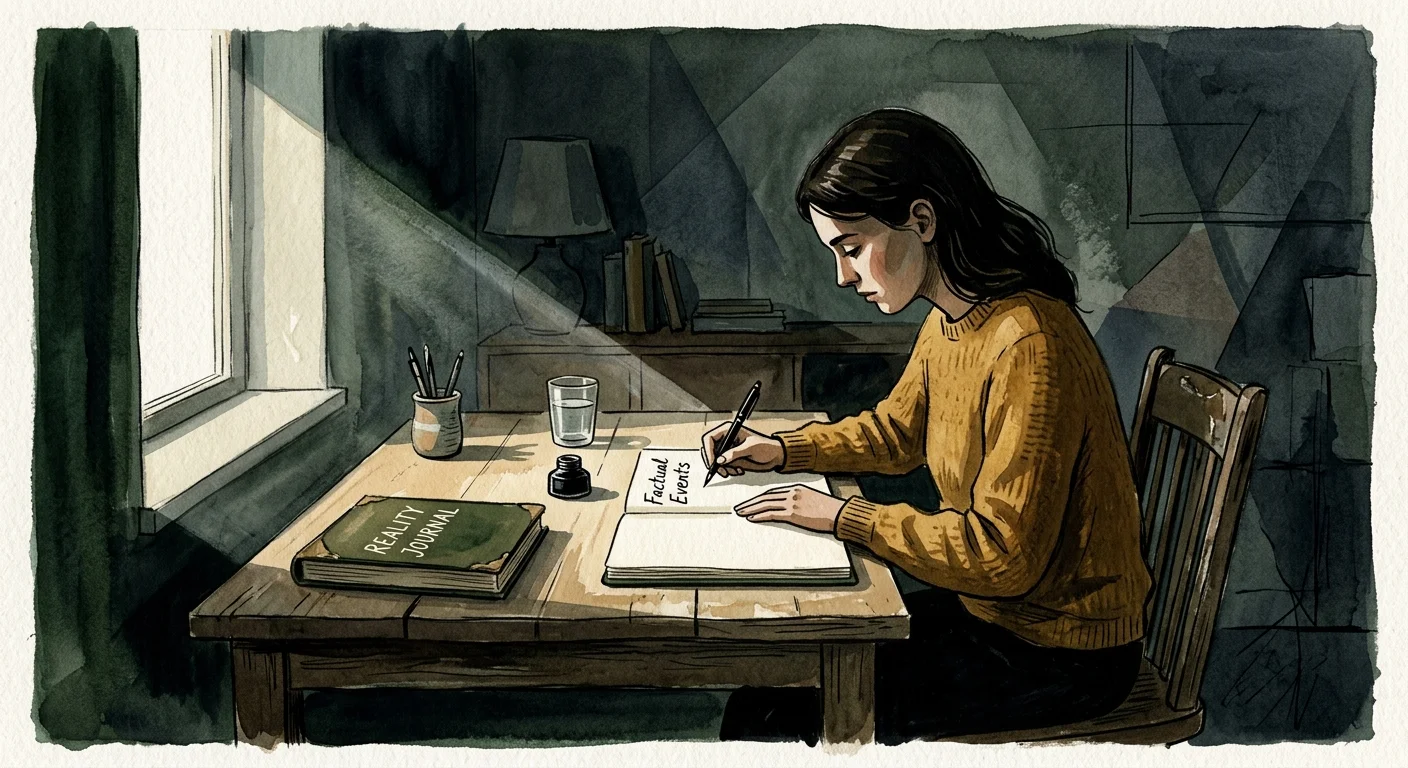
Actionable Insight: Rebuilding self-trust requires grounding yourself in objective reality. Keep a private reality journal. When you feel the urge to question your memory of a conflict, immediately write down the factual events without emotional interpretation. Practice validating your own perception before asking someone else to confirm it.

2. Your Needs Feel Like a Burden to Others
Narcissistic caregivers center the household entirely around their emotional state. Children in these environments quickly realize that taking up space—whether by asking for help, expressing sadness, or needing attention—often triggers parental withdrawal, irritation, or explosive rage. To survive, you learned to shrink yourself. You developed the belief that the safest way to exist in the world is to need absolutely nothing.
Today, you might feel an overwhelming rush of guilt when asking a partner for support, setting a boundary at work, or even telling a friend you need a favor. You operate under the subconscious assumption that your needs will drive people away.
Actionable Insight: Challenge the belief that your needs equal a burden by making low-stakes requests. Ask a server for extra napkins; tell a friend you would prefer a different restaurant for lunch. Notice how healthy individuals do not collapse or retaliate when you state a simple preference.
3. You Battle an Unrelenting Inner Critic
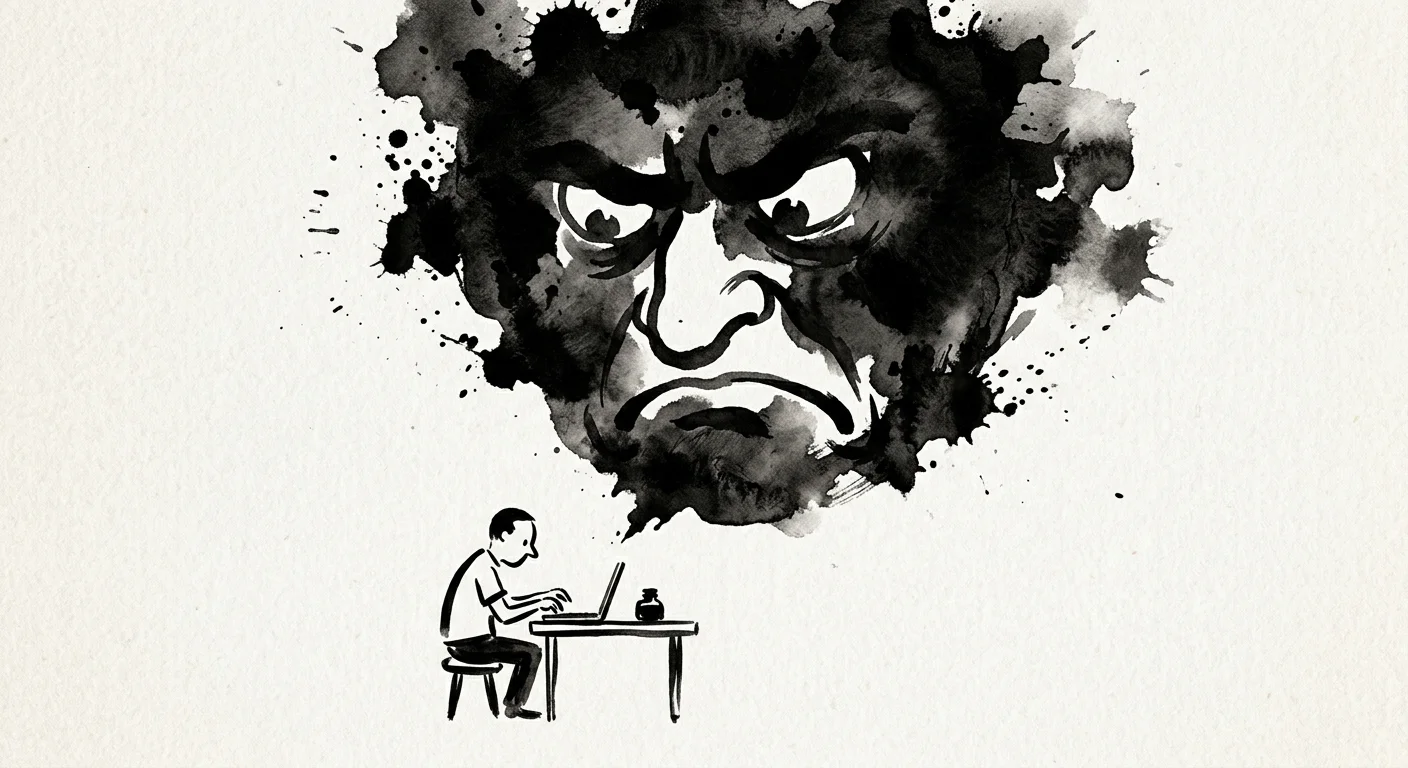
When a parent only praises you when you make them look good, your inner voice inevitably becomes a harsh, unforgiving taskmaster. You internalize their impossible standards and learn to scrutinize your every move before they have the chance to do it for you. This relentless perfectionism is a heavy armor you wear to protect yourself from criticism.
“Perfectionism is the belief that if we live perfect, look perfect, and act perfect, we can minimize or avoid the pain of blame, judgment, and shame.” — Brené Brown, PhD, MSW
This internalized critic constantly moves the goalposts. No achievement ever feels like enough, and any perceived failure sends you into a spiral of shame. You likely tie your core human worth entirely to your productivity and accomplishments.
Actionable Insight: Separate the critical voice from your authentic self. Give the inner critic a name or visualize it as an external entity. When it starts demanding perfection, pause and remind yourself: “That is my parent’s unhealed expectation speaking, not my personal standard.”

4. You Served as an Extension of Your Parent
Narcissistic parents view their children as accessories rather than autonomous individuals. You existed to reflect their success, intellect, or attractiveness to the outside world. If you brought home top grades, excelled in sports, or looked a certain way, you were paraded around as proof of their exceptional parenting. If you deviated from their script or showed interest in paths they deemed unworthy, you were met with profound rejection.
This dynamic stunts genuine identity formation. As an adult, you might experience a deep sense of emptiness, often wondering, “Who am I when I’m not performing for someone else?” You may have chosen your career, relationships, or lifestyle based on what would garner approval rather than what brings you joy.
Actionable Insight: Explore your genuine interests without attaching them to an outcome, achievement, or social media post. Try a new hobby you are terrible at—like pottery or painting—simply because you enjoy the sensory experience of the process.
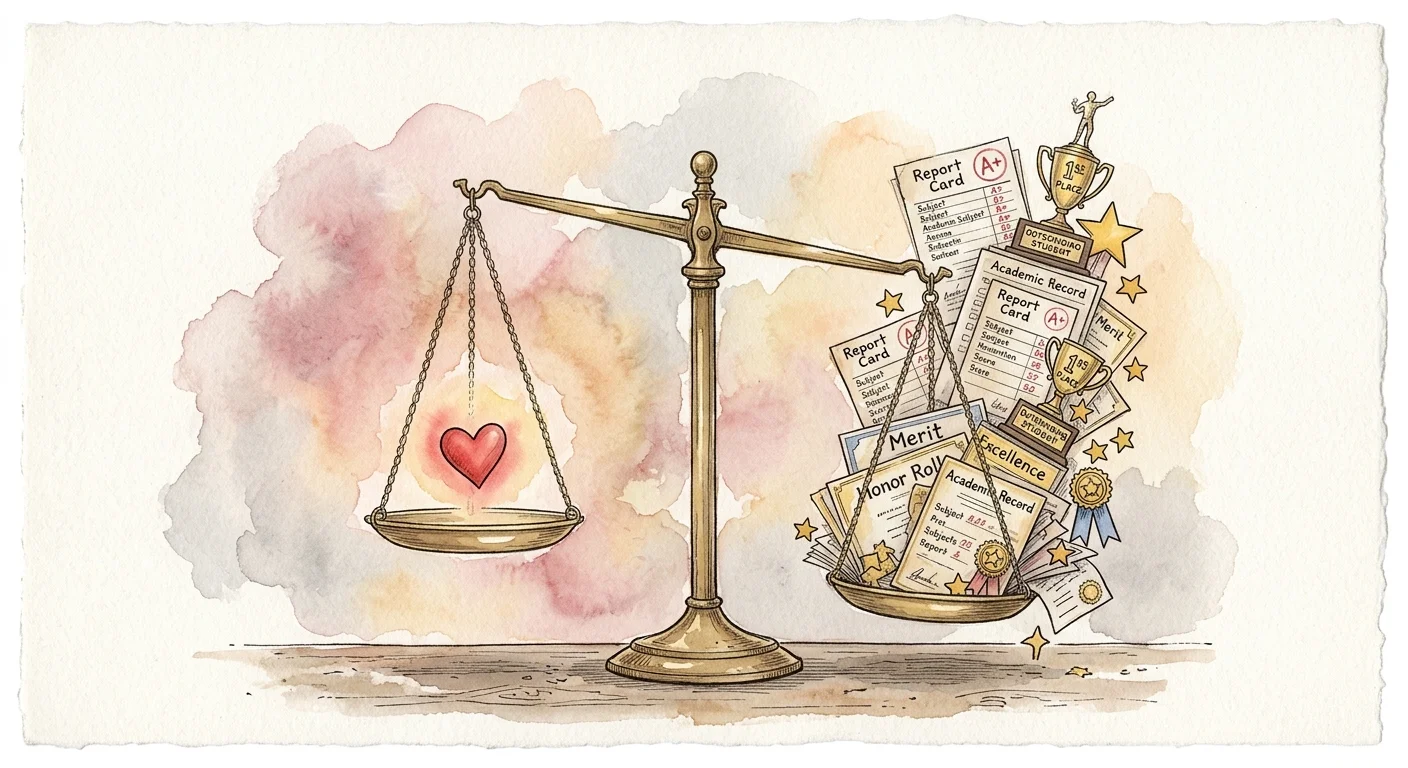
5. You Experienced Highly Conditional Love
In a healthy home, love is a baseline; in a narcissistic home, love is a currency. Affection, attention, and warmth were doled out as rewards for compliance and swiftly withdrawn as punishment for independence. The renowned humanistic psychologist Carl Rogers coined the term “conditions of worth” to describe the belief that we only have value when we meet specific, externally imposed criteria.
“People are just as wonderful as sunsets if you let them be. When I look at a sunset, I don’t find myself saying, ‘Soften the orange a bit on the right hand corner.’ I don’t try to control a sunset. I watch with awe as it unfolds.” — Carl Rogers, PhD
Because you were treated as a project rather than a sunset, you grew up believing that unconditional love is a myth. You expect your friends and partners to abandon you the moment you make a mistake, leading you to constantly hustle for your worth in relationships.
Actionable Insight: Practice offering yourself unconditional positive regard. Notice the moments you withhold self-compassion because you did not have a “productive” day. Speak to yourself with the same unearned kindness you would offer a beloved pet or a close friend.

6. You Struggle with Setting and Enforcing Boundaries
A boundary is simply a line that defines where you end and someone else begins. However, narcissistic parents perceive boundaries as personal attacks. If you closed your bedroom door, declined an invitation, or expressed a differing opinion, it was treated as a severe slight against them. You were taught that having limits makes you selfish.
Consequently, saying “no” as an adult likely triggers a visceral somatic fear response—a racing heart, a tightened chest, or a feeling of impending doom. You may routinely overcommit yourself at work, tolerate poor behavior in romantic relationships, or let friends drain your energy because the thought of asserting a boundary feels dangerous.
Actionable Insight: Frame boundaries as a way to protect your relationships, not punish others. Start communicating a clear “no” without over-explaining. The more you justify and over-explain a boundary, the more room you leave for a manipulator to dismantle it.
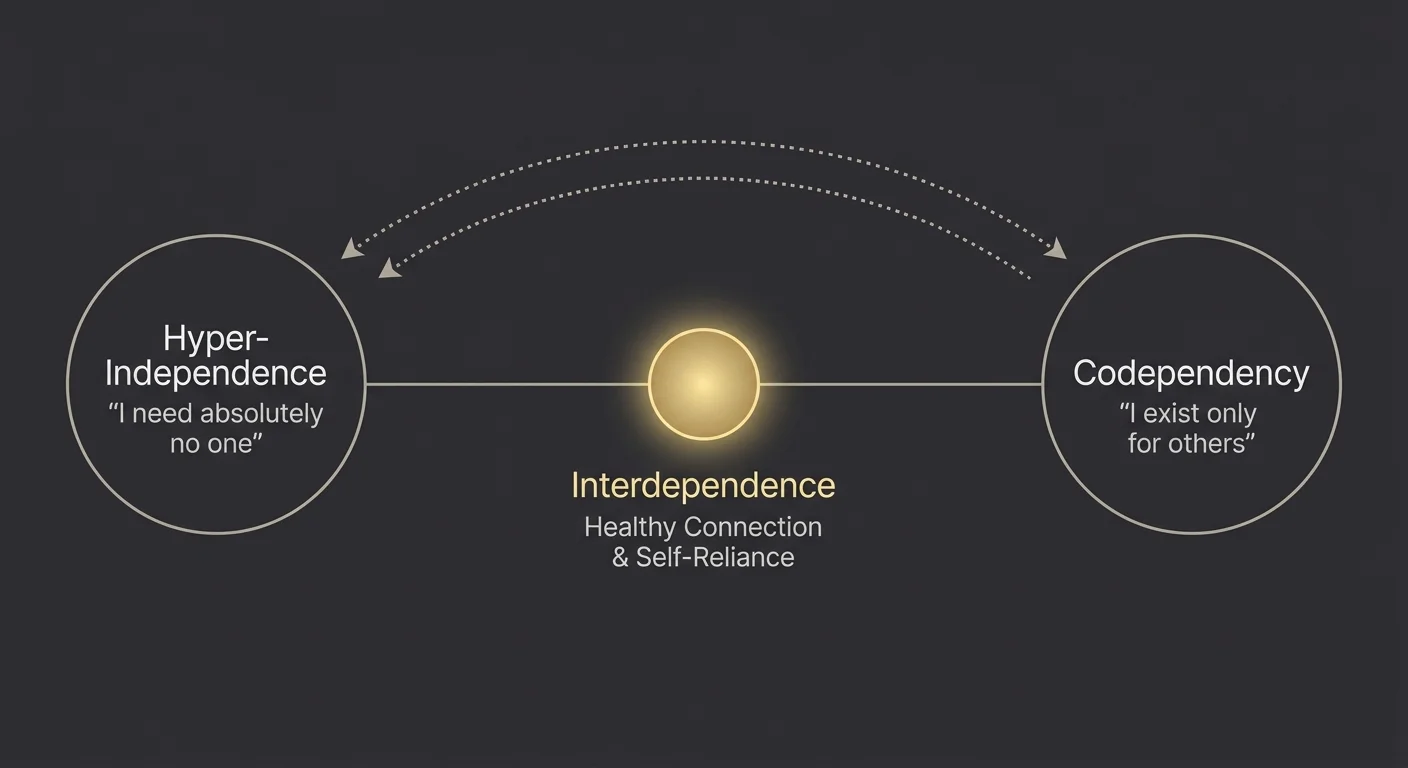
7. You Vacillate Between Hyper-Independence and Codependency
Growing up with an emotionally unavailable or volatile parent deeply disrupts your attachment style. Because you could not rely on your caregiver for consistent comfort, you likely adapted in one of two ways—or find yourself swinging wildly between both extremes.
- Hyper-independence: You decided early on, “I will never rely on anyone again.” You refuse to ask for help, push people away when they get too close, and equate vulnerability with weakness.
- Codependency: You latch onto partners who mimic the unpredictable dynamics of your childhood. You try to “earn” their love by fixing their problems, unconsciously attempting to heal your childhood wound by successfully loving a difficult person.
Actionable Insight: If you lean toward hyper-independence, challenge yourself to let someone assist you with a minor task this week. If you lean toward codependency, dedicate one evening a week entirely to yourself, engaging solely in activities that soothe your own nervous system.
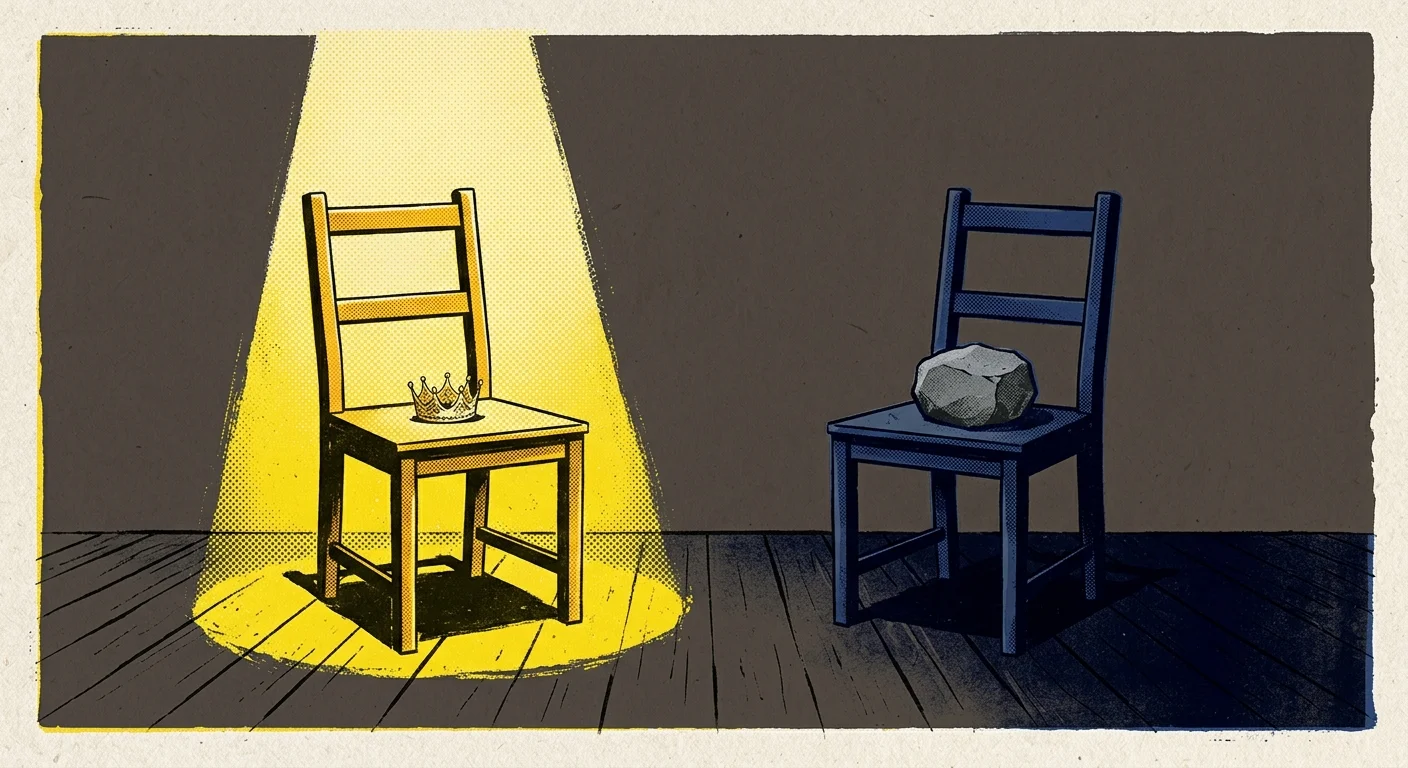
8. You Endured the Golden Child or Scapegoat Dynamic
Narcissistic parents often secure their power within the family structure through triangulation, deliberately keeping siblings divided. They typically assign rigid roles: the “Golden Child” and the “Scapegoat”.
The Golden Child can do no wrong but bears the crushing, anxiety-inducing weight of absolute perfectionism. The Scapegoat is blamed for every family dysfunction, absorbing the parent’s projected shame and anger. Sometimes, the parent alternates these roles based on their mood, pitting siblings against each other to ensure the children compete for the parent’s affection rather than uniting against the parent’s abuse.
Actionable Insight: If you maintain contact with your siblings, actively avoid discussing the parent with them if it consistently triggers old rivalries. Focus on building an independent, direct relationship with your sibling completely outside the family triangle.

9. You Discount Your Own Emotional Reality
In your childhood home, only the parent was allowed to have big feelings. You were likely taught that anger is disrespectful, sadness is manipulative, and joy is only acceptable if the parent can take credit for it. This environment breeds affect phobia—a literal fear of your own emotions.
Instead of feeling your feelings, you intellectualize them. When you experience a loss or an injustice, you might immediately jump to problem-solving, rationalizing the other person’s behavior, or minimizing your own pain by saying, “It’s not that bad, other people have it worse.”
Actionable Insight: Try a somatic check-in. When a strong emotion arises, stop yourself from analyzing it. Instead of asking, “Why do I feel this way?”, ask yourself, “Where do I feel this in my body?” Locate the physical tension before attempting to solve the emotional narrative.
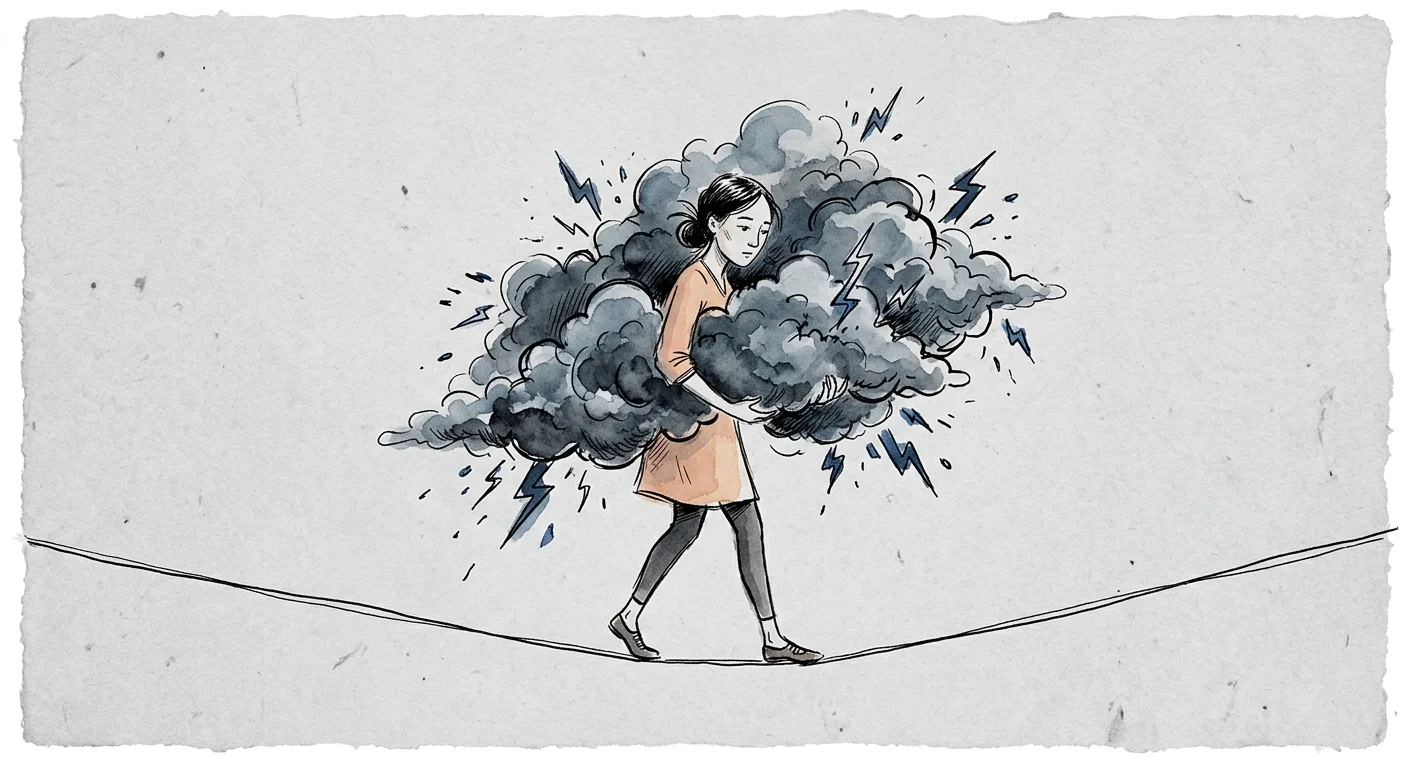
10. You Assume Responsibility for Other People’s Emotions
When you are raised by someone whose moods dictate the safety of the entire household, you become hypervigilant. You learned to read the sound of footsteps on the stairs, the slam of a kitchen cabinet, or a subtle sigh in the hallway. You became the family thermostat, constantly trying to regulate the emotional temperature of the room to prevent an explosion.
This hypervigilance follows you into adulthood. If a coworker is quiet, you assume they are mad at you. If your partner has a bad day, you exhaust yourself trying to fix it. You view other people’s negative emotions as problems you are personally obligated to solve.
Actionable Insight: Adopt the internal boundary mantra: “I am responsible for my behavior, but I am not responsible for their reaction.” Allow people to experience their own disappointment, frustration, or bad moods without rushing in to rescue them.
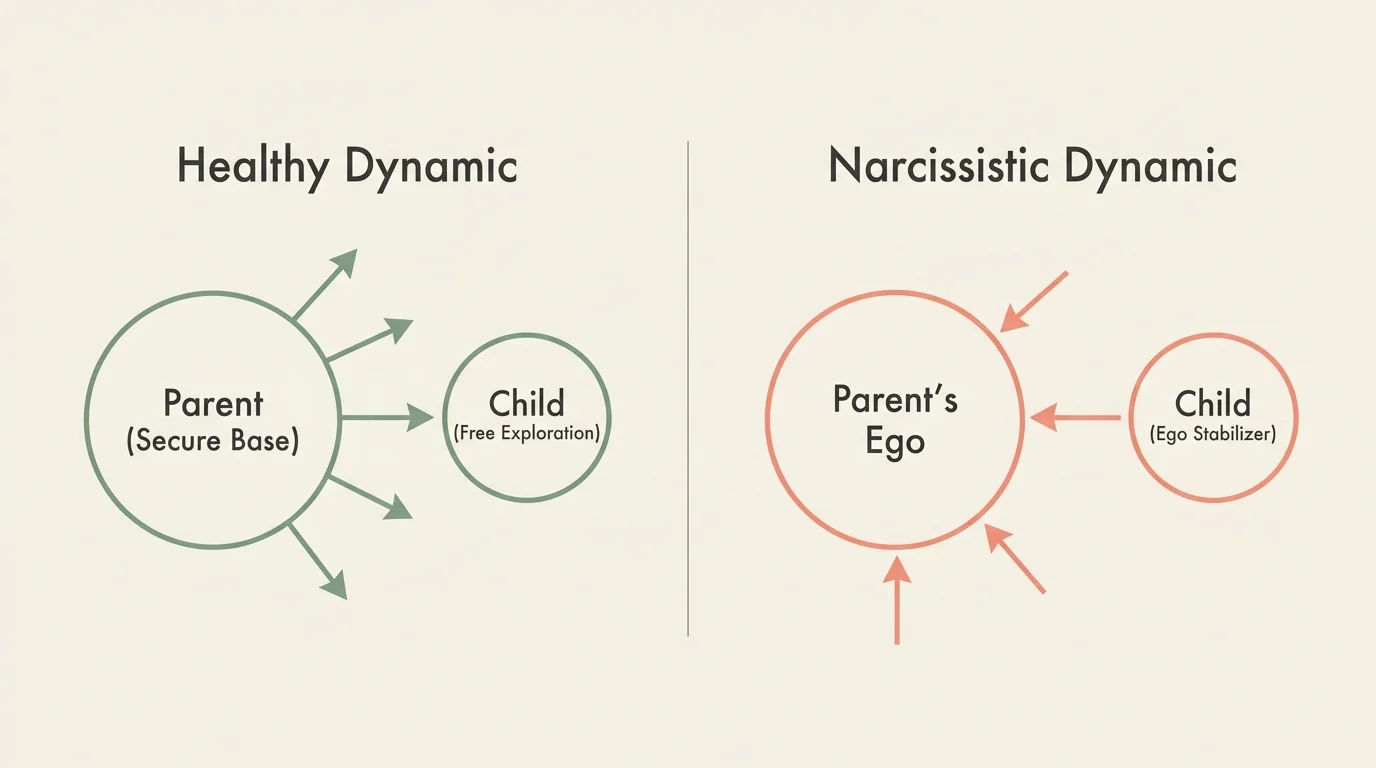
Healthy vs. Narcissistic Parenting Dynamics
To help contextualize your experience, it is highly useful to compare the emotional mechanics of a healthy family unit against a narcissistic one. Recognizing these stark differences helps dismantle the belief that your childhood was “normal.”
| Family Dynamic Aspect | Healthy Parenting Model | Narcissistic Parenting Model |
|---|---|---|
| Core Focus | Centered on the child’s developmental needs and growing autonomy. | Centered on the parent’s ego, comfort, and emotional regulation. |
| Nature of Love | Unconditional, steady, and separate from the child’s achievements. | Highly conditional, performance-based, and transactional. |
| Conflict Resolution | Addressed through mutual repair, listening, and parental accountability. | Met with blame-shifting, denial, gaslighting, or the silent treatment. |
| Personal Boundaries | Respected, encouraged, and viewed as healthy self-advocacy. | Treated as a profound threat, personal rejection, or act of defiance. |
| Individuation | Celebrated as the child matures into their own unique person. | Feared, mocked, and actively sabotaged to maintain control. |

Common Misconceptions About Narcissistic Parents
Understanding narcissistic abuse is often complicated by societal myths about what narcissism actually looks like. Dispelling these misconceptions can bring profound clarity to your lived experience.
- Myth: Narcissistic parents never show love or affection.
Fact: Narcissistic abuse relies heavily on intermittent reinforcement. A parent may be incredibly warm, generous, or charming when it serves their image or when they sense you pulling away. This unpredictable mix of intense affection and cold rejection creates a powerful trauma bond, making the abuse much harder to recognize. - Myth: Narcissists are always loud, boastful, and overtly arrogant.
Fact: While grandiose narcissism fits this stereotype, researchers note that covert (or vulnerable) narcissism is equally destructive. Covert narcissistic parents present as chronic victims. They use guilt-tripping, manufactured illnesses, and martyrdom to control their children and extract endless sympathy. - Myth: You just need to communicate your feelings better.
Fact: Poor communication is not the root of the problem; a fundamental lack of empathy is. You cannot communicate a narcissistic parent into caring about your boundaries. They understand your feelings—they simply prioritize their own ego over your well-being.

Finding the Right Professional Help
Untangling the deeply rooted effects of a narcissistic upbringing is rarely a journey you should undertake alone. The American Psychological Association emphasizes that recovering from complex relational trauma often requires specialized support. Consider seeking a trauma-informed therapist if you resonate with any of the following scenarios:
- You experience emotional flashbacks: Interacting with your parent—or even anticipating a phone call—triggers severe physiological distress, panic attacks, or weeks of depression.
- You repeat toxic relationship patterns: You consistently find yourself trapped in romantic relationships or friendships that closely mirror the manipulative, one-sided dynamics of your childhood.
- Your inner critic is debilitating: Chronic self-doubt and perfectionism prevent you from pursuing career goals, building authentic friendships, or experiencing joy.
- You are preparing to alter contact: You are preparing to set a major boundary, such as going low-contact or entirely no-contact, and need structural support to navigate the immense guilt and familial pushback that often follows.
When searching for a professional through resources like Psychology Today or the National Alliance on Mental Illness, look for practitioners skilled in modalities designed for relational trauma. Eye Movement Desensitization and Reprocessing (EMDR), Somatic Experiencing, and Schema Therapy have shown particular effectiveness in treating the long-term impacts of personality disorders within family systems.
Frequently Asked Questions
Can a narcissistic parent change?
Meaningful change requires self-reflection, accountability, and empathy—traits that are fundamentally deficient in individuals with narcissistic pathology. While a parent might briefly alter their behavior to regain access to you, lasting change requires years of specialized therapy. Because acknowledging flaws threatens their psychological structure, most individuals with strong narcissistic traits vehemently resist professional help.
Should I confront my narcissistic parent about my childhood?
In most cases, confronting a narcissistic parent with clinical terms or demanding closure leads to further trauma. They are highly likely to respond with intense defensiveness, gaslighting, or a smear campaign against you. Healing usually involves grieving the parent you deserved rather than trying to force the parent you have to understand your pain. Focus your energy on enforcing firm boundaries for their current behavior.
Will I become a narcissist because I was raised by one?
It is incredibly common for adult children of narcissists to fear they are inherently toxic. You may have picked up “narcissistic fleas”—learned defensive behaviors used to survive your childhood. However, possessing the self-awareness, empathy, and genuine concern to worry about whether you are a narcissist is actually a very strong clinical indicator that you are not one. Learned behaviors can be unlearned.
Navigating the aftermath of a narcissistic upbringing is an act of profound courage. The survival skills that once protected you are no longer required for your future. As you practice setting boundaries, honoring your reality, and offering yourself unconditional compassion, you break the cycle. You are not responsible for the environment you were raised in, but you now hold the beautiful, challenging power to build a life defined by genuine psychological safety.
Disclaimer: This is educational content based on psychological research and general principles. Individual experiences vary significantly. For personalized guidance, consult a licensed therapist, psychologist, or counselor.
Last updated: February 2026. Psychology research evolves continuously—verify current findings with professional sources.









Leave a Reply