Psychology Diary

The First Step Toward Change Is Awareness

  • Home
  • Relationships
  • Mental Health
  • Expert Tips
  • Life
  • Family
  • Marriage

An Introduction to Mindfulness and Meditation for Seniors

August 31, 2025 · Expert Tips

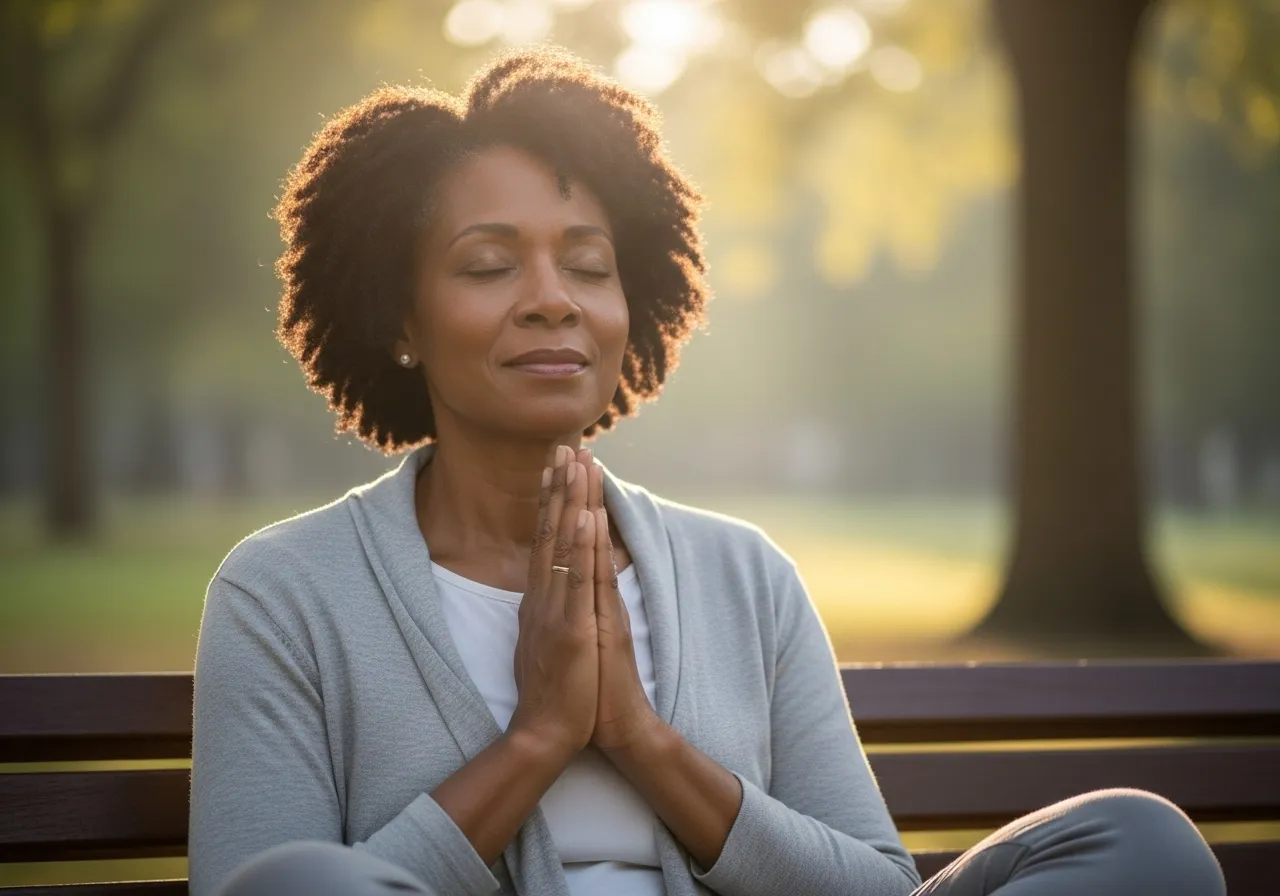
Black senior woman meditating peacefully on park bench.

Why Consider This Practice After 50? The Science-Backed Benefits

The decision to start a new habit is often easier when we understand the potential rewards. The practice of mindfulness and meditation is supported by a growing body of scientific research, particularly for its positive impact on the aging process. While it is not a panacea, consistent practice can be a powerful tool for enhancing quality of life. Here are some of the key benefits relevant to seniors.

Effective Stress Reduction

As we age, we may face unique stressors, from managing health issues to navigating changes in our social roles. Chronic stress keeps our body in a state of high alert, known as the “fight-or-flight” response, leading to an overproduction of the stress hormone cortisol. Over time, this can contribute to health problems like high blood pressure, weakened immune function, and sleep disturbances. Mindfulness meditation helps activate the body’s relaxation response, or the “rest-and-digest” system. By focusing on the breath and grounding yourself in the present, you can calm your nervous system, lower your heart rate, and reduce the physiological impact of stress. This is a primary reason many people seek out guided meditation for seniors for anxiety.

Improved Focus and Cognitive Function

It is normal to notice some changes in cognitive abilities with age. You might find it takes longer to recall a name or that you are more easily distracted. Mindfulness practice is a form of attention training. Each time you notice your mind wandering and gently bring it back to your breath, you are strengthening the neural networks responsible for focus and concentration. Research suggests this may have benefits for working memory, which is the ability to hold and manipulate information for short periods, like remembering a phone number while you dial it. While not a cure for cognitive decline, it is a proactive way to engage your brain. The National Institute on Aging (NIA) provides extensive information on what constitutes normal cognitive aging versus signs that may warrant a medical evaluation.

Enhanced Emotional Regulation

Life can present emotionally challenging situations, such as grief, frustration with physical limitations, or loneliness. Mindfulness teaches you to observe your emotions with curiosity rather than being consumed by them. You learn to recognize a feeling like sadness or anger as it arises, name it (“Ah, there is sadness”), and allow it to be there without reacting impulsively. This doesn’t mean you suppress emotions; it means you develop a more balanced and compassionate relationship with them. This skill can lead to a greater sense of emotional stability and resilience in the face of adversity.

Support for Physical Health

The mind and body are deeply connected. By reducing stress, mindfulness can have a positive ripple effect on physical health. Studies have linked regular meditation practice with improvements in sleep quality, a modest reduction in blood pressure, and better management of chronic pain. For individuals with conditions like arthritis, mindfulness can help change their relationship with pain. Instead of tensing up against the discomfort, they learn to observe the sensation with less fear and resistance, which can reduce its perceived intensity. It is crucial to remember that meditation is a complementary practice and should never replace medical treatment prescribed by your doctor. General evidence overviews from the American Psychological Association (APA) can offer more insight into the mind-body connection.


Pages: 1 2 3 4 5 6 7 8 9 10 11

Share this article

Facebook Twitter Pinterest LinkedIn Email

Leave a Reply Cancel reply

Your email address will not be published. Required fields are marked *

Search

Latest Posts

  • An unposed photo of a man sitting at a kitchen table looking slightly guarded during a quiet, intimate conversation. 8 Body Language Clusters That Indicate Someone Is Holding Back the Truth
  • An ink and watercolor illustration of a morning coffee cup on a wooden table with a gentle ripple, symbolizing subtle early changes. 7 Subtle Signs of Parkinson's Disease in the Early Stages
  • An editorial illustration of a silhouette standing on a fractured path, with a hand gently unravelling a thread from its shoulder. 8 Hidden Signs of Emotional Manipulation in a Relationship
  • Gouache illustration of a couple walking hand-in-hand through a vibrant landscape of overlapping colorful plants and abstract shapes. The 5 Love Languages Revisited: What Really Keeps Couples Close
  • A watercolor illustration of two people on an uneven seesaw, symbolizing a lopsided, selfish relationship dynamic. 10 Signs Someone May Be More Selfish Than They Realize
  • An editorial ink and watercolor illustration of a lonely figure fading into soft gray washes, symbolizing emotional vulnerability. 10 Warning Signs You May Be in an Emotionally Abusive Relationship
  • A couple sits on opposite ends of a long sofa in a dimly lit living room, staring away from each other with a large physical gap between the 10 Signs You're No Longer Connected to Your Partner
  • Editorial ink and watercolor illustration of a person wearing a suit of mirrors as protective armor, symbolizing defensive ego preservation. 9 Signs You Struggle to Admit Mistakes
  • A conceptual mixed-media collage showing dark, chaotic textures emerging from a clean paper silhouette, symbolizing hidden guilt leaking out 7 Signs Someone May Feel Guilty About Something
  • An editorial illustration of a person sitting at a table with a root system growing from their chair into the floorboards. The Mental Symptoms Many People Ignore Until It's Too Late

Newsletter

Get the latest posts delivered to your inbox.

Related Articles

married life ready

Big Life Lessons: 10 Red Flags You’re Not Ready to Get Married Just Yet

Are you ready to make this important step in your life and be married or…

Read More →

8 Common Reasons Why Couples Fight

Fighting is normal. Friends argue, relatives argue and partners argue too. In every human relationship,…

Read More →
dream about cheating on your partner

Do You Dream About Cheating on Your Partner? (7 Surprising Reasons Why)

Do you dream about cheating on your partner? Don’t worry. I do, too. Let’s set…

Read More →
attract good people

5 Best Ways to Attract Good People in Your Life

There are ways to have good people in your life! Start attracting them today! A…

Read More →

19 Efficient Ways to Make Your Divorce As Painless as Possible

The truth is, no one gets married thinking they will end up in a divorce…

Read More →
alzheimer dementia

10 Harmful Things That Increase Your Risk of Alzheimer’s

There’s still no cure for Alzheimer, but researchers are vigorously trying to develop a better…

Read More →
men

6 Things Men Secretly Do (and NEVER Admit To)

2. Not washing their faces Have you ever felt too lazy or tired to wash…

Read More →
lies

The 5 Worst Lies You Can Tell Your Therapist (And Why They Matter)

The most common lies people tell their therapist. To set things straight from the beginning,…

Read More →
Cheaters always do

This Psychologist Finally Found 7 Signs Cheaters ALWAYS Share

Cheaters always do these things according to cognitive experts:  Red flags aren’t always visible in…

Read More →

Psychology Diary

The First Step Toward Change Is Awareness

Inedit Agency S.R.L.
Bucharest, Romania

contact@psychologydiary.com

Explore

  • About Us
  • Advertiser Disclosure
  • Contact Us
  • Disclaimer
  • Do not sell my personal information
  • Editorial Policy
  • Frequently Asked Questions
  • Privacy Policy
  • Terms and Conditions
  • Subscribe
  • Unsubscribe

Categories

  • Expert Tips
  • Family
  • Life
  • Marriage
  • Mental Health

© 2026 Psychology Diary. All rights reserved.