Psychology Diary

The First Step Toward Change Is Awareness

  • Home
  • Relationships
  • Mental Health
  • Expert Tips
  • Life
  • Family
  • Marriage

6 Amazing Mental Health Benefits of Having a Pet

February 2, 2023 · Mental Health
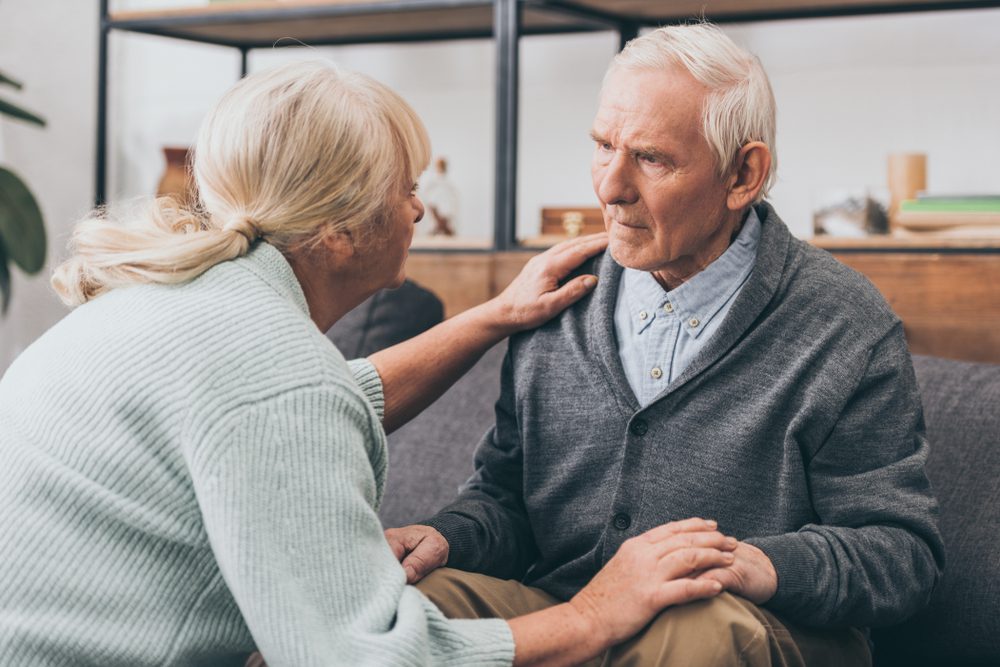
photo by knelson20 from Shutterstock

Pets increase your social interaction and help you make new friends

In order to have good mental health, it is important to interact with people and be social. It may be impossible for some seniors who don’t have family in the city they live in or for those who are widowed or single. But if you consider adopting a pet, that will help you be more present in your day-to-day life.

You can attend pet-friendly events, join a pet club, or even compete with your dog against others, which could be fun and engaging. This will also keep your mind busy and happy, and if you were a lonely person before, that will definitely change. You will meet new people, you can make new friends, and this can happen effortlessly only by going out for a walk with your dog.

If you’re an introvert or social interactions are not really your thing, your pet will “open” this up for you by simply “introducing” you to other people. That way, it would be much easier to initiate discussions about food, vets, and other things that dog owners have in common.


Pages: 1 2 3 4 5 6 7

Share this article

Facebook Twitter Pinterest LinkedIn Email

One response to “6 Amazing Mental Health Benefits of Having a Pet”

  1. Zachary Tomlinson says:
    April 29, 2023 at 10:56 am

    I never knew that puppies could help you escape the claws of depression and anxiety. My brother wants to help his in-law adjust to his new living space this year. I think they should start by finding a dog breeder and adopting a puppy to ease his eventual loneliness.

    Reply

Leave a Reply Cancel reply

Your email address will not be published. Required fields are marked *

Search

Latest Posts

  • An ink and watercolor illustration of a person holding a large ceramic vase with glowing gold cracks, symbolizing hidden internal pressure. The Psychology of the Person Who Is Always Fine Until They Absolutely Aren't
  • A woman sits in a sunlit home library, looking thoughtfully out a window with an open book on her lap. 12 Signs of a High IQ
  • A candid photograph of a tense moment between a couple in a sunlit kitchen, one partner looking exhausted while the other looks away. 8 Traits of Someone Who Always Has to Be Right
  • A conceptual paper collage portrait made of torn fragments representing a fragmented digital identity with blue screen patterns. 10 Clues Someone Has a False Online Identity
  • A conceptual mixed media collage showing a silhouette with a peeling mask, revealing a deep indigo inner layer. 8 Trauma Responses That Get Mistaken for Personality Traits
  • A conceptual watercolor illustration of a senior's silhouette in soft blue, with a glowing gold ink pathway symbolizing an awakening virus. 6 Early Signs of Shingles Seniors Should Never Ignore
  • An illustration of a person on a ledge reaching for a fragile golden thread emerging from a glowing smartphone screen. 10 Clear Signs Your Partner Is Only Feeding You Breadcrumbs
  • An editorial illustration of a senior man in an armchair while his partner speaks from a distance, with her voice fading as watercolor mist. 7 Early Warning Signs of Hearing Loss That Seniors Often Dismiss as Normal Aging
  • An unposed photo of a man sitting at a kitchen table looking slightly guarded during a quiet, intimate conversation. 8 Body Language Clusters That Indicate Someone Is Holding Back the Truth
  • An ink and watercolor illustration of a morning coffee cup on a wooden table with a gentle ripple, symbolizing subtle early changes. 7 Subtle Signs of Parkinson's Disease in the Early Stages

Newsletter

Get the latest posts delivered to your inbox.

Related Articles

depression anxiety

Depression vs. Anxiety: Which One Do You Have?

How can you tell if you have depression or anxiety? Two examples of mood disorders…

Read More →
Woman looking out window in sunlit room.

Understanding Seasonal Affective Disorder (SAD) in Older Adults

Practical Self-Care Strategies: How to Treat the Winter Blues at Home While professional treatment is…

Read More →
crying is good

10 Ways Crying Affects Your Mind and Body

When was the last time you cried? Crying is good because it helps us let…

Read More →
depression

11 Signs of Depression in Seniors and What You Can Do About It

Losing Interest in Once-Loved Activities Anhedonia is a loss of interest in the activities you…

Read More →
PTSD, mental health depression

9 Mental Health Issues You Can Inherit

There are many reasons why a mental health disorder can develop. If you’re struggling with…

Read More →
Negative Body Language

8 Ways Negative Body Language Is Damaging Your Self-Confidence

Do you have negative body language? Have you ever walked into a room and instantly…

Read More →
Dementia myth

Subtle Signs of Dementia: 6 Important Things You Need to Know

4. Changes In Behavior Leading To Depression Are you, or a person you care about,…

Read More →
types of trauma emotional unavailable

10 Most Common Types of Trauma Explained

Let’s talk about the most common types of trauma! While nearly everyone experiences traumatic or…

Read More →
Alzheimer's

6 Surprising Truths About Alzheimer’s. Why Is Nobody Talking About Them?

This year in the U.S., it’s anticipated that there will be close to 500,000 new…

Read More →

Psychology Diary

The First Step Toward Change Is Awareness

Inedit Agency S.R.L.
Bucharest, Romania

contact@psychologydiary.com

Explore

  • About Us
  • Advertiser Disclosure
  • Contact Us
  • Disclaimer
  • Do not sell my personal information
  • Editorial Policy
  • Frequently Asked Questions
  • Privacy Policy
  • Terms and Conditions
  • Subscribe
  • Unsubscribe

Categories

  • Expert Tips
  • Family
  • Life
  • Marriage
  • Mental Health

© 2026 Psychology Diary. All rights reserved.