Psychology Diary

The First Step Toward Change Is Awareness

  • Home
  • Relationships
  • Mental Health
  • Expert Tips
  • Life
  • Family
  • Marriage

Understanding Common Mental Health Challenges in Older Adults

August 31, 2025 · Mental Health

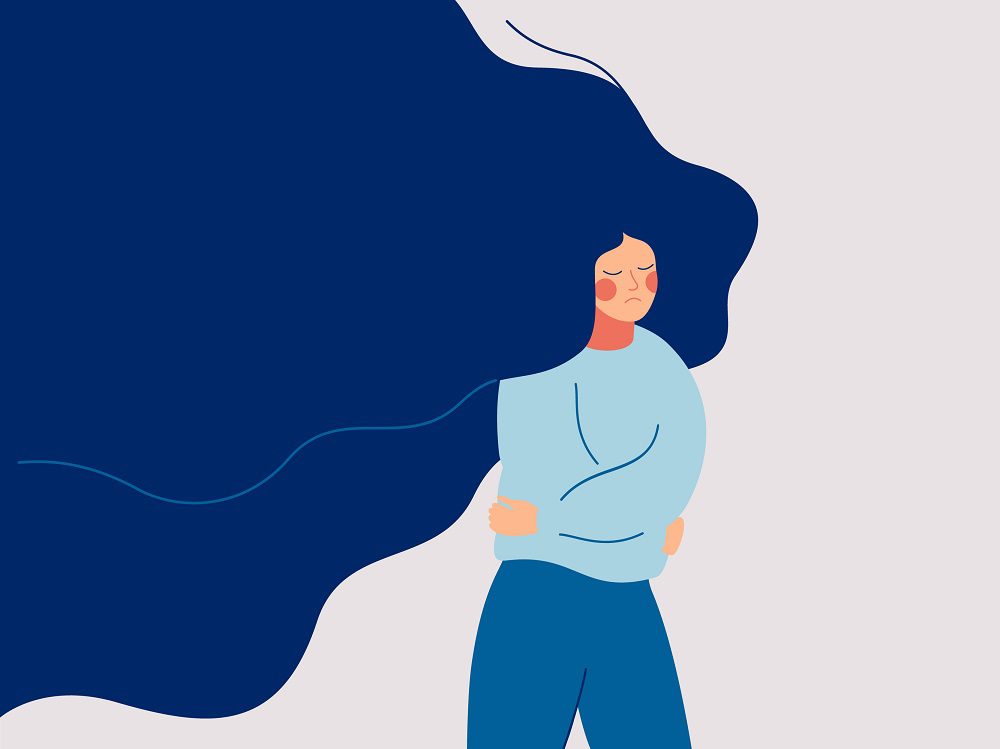
Worried senior woman sitting on porch.

Navigating Anxiety in Seniors

While depression often involves looking back with regret, anxiety is about looking forward with fear. Concerns about health, finances, safety, or the well-being of family can become overwhelming, leading to a state of constant worry that interferes with daily life. Like depression, anxiety in seniors can have a strong physical component.

Symptoms of an anxiety disorder can include:

  • Excessive worry that is difficult to control.
  • Feeling restless, keyed up, or on edge.
  • Physical symptoms like a racing heart, shortness of breath, trembling, sweating, or stomach problems.
  • Avoiding situations that trigger worry, such as driving, going to crowded places, or even leaving the house.
  • Difficulty sleeping because of racing thoughts.

This state of high alert is exhausting. Fortunately, there are grounded, practical skills that can help calm the nervous system in the moment and retrain the brain’s response to worry over time.

Skill 1: The 5-4-3-2-1 Grounding Technique

When you feel a wave of panic or anxiety, your mind is stuck in “what if” thoughts about the future. Grounding pulls your attention back to the present moment and the safety of your immediate environment. It uses your five senses.

Wherever you are, pause and gently notice:

5: Five things you can see. Look around and name them silently to yourself. The lamp on the table. The pattern on the rug. A crack in the ceiling. The blue of my shirt. A tree outside the window.

4: Four things you can feel. Notice the physical sensations. The texture of the chair against my back. The warmth of my hands. The smooth surface of my phone. My feet flat on the floor.

3: Three things you can hear. Listen carefully to the sounds around you. The hum of the refrigerator. A car driving by. My own breathing.

2: Two things you can smell. This might be subtle. The faint scent of coffee in the air. The clean smell of laundry soap on my clothes.

1: One thing you can taste. The lingering taste of toothpaste. Or take a sip of water and notice its coolness.

This exercise breaks the cycle of racing thoughts by redirecting your brain’s focus. It’s simple, discreet, and can be done anywhere.

Skill 2: Scheduled “Worry Time”

It sounds counterintuitive, but giving your worries a specific, contained appointment can keep them from taking over your entire day. Designate a 15-minute period each day—for example, 4:30 PM to 4:45 PM—as your official “Worry Time.”

During this time, you are allowed to worry intensely. Write down all your fears, think through worst-case scenarios, and let your mind go there. When the timer goes off, you stop. If a worry pops up at another time of day, acknowledge it and tell yourself, “Thank you for that thought. I will think about it during my scheduled Worry Time at 4:30.” This practice helps you regain a sense of control, teaching your brain that you are in charge of when you engage with worry.

For persistent anxiety, therapies like Cognitive Behavioral Therapy (CBT) are considered a gold standard. A CBT therapist can help you identify, challenge, and reframe the catastrophic thinking patterns that fuel anxiety, providing you with a robust toolkit for long-term management.

Pages: 1 2 3 4 5 6 7 8 9 10

Share this article

Facebook Twitter Pinterest LinkedIn Email

Leave a Reply Cancel reply

Your email address will not be published. Required fields are marked *

Search

Latest Posts

  • An ink and watercolor illustration of a person holding a large ceramic vase with glowing gold cracks, symbolizing hidden internal pressure. The Psychology of the Person Who Is Always Fine Until They Absolutely Aren't
  • A woman sits in a sunlit home library, looking thoughtfully out a window with an open book on her lap. 12 Signs of a High IQ
  • A candid photograph of a tense moment between a couple in a sunlit kitchen, one partner looking exhausted while the other looks away. 8 Traits of Someone Who Always Has to Be Right
  • A conceptual paper collage portrait made of torn fragments representing a fragmented digital identity with blue screen patterns. 10 Clues Someone Has a False Online Identity
  • A conceptual mixed media collage showing a silhouette with a peeling mask, revealing a deep indigo inner layer. 8 Trauma Responses That Get Mistaken for Personality Traits
  • A conceptual watercolor illustration of a senior's silhouette in soft blue, with a glowing gold ink pathway symbolizing an awakening virus. 6 Early Signs of Shingles Seniors Should Never Ignore
  • An illustration of a person on a ledge reaching for a fragile golden thread emerging from a glowing smartphone screen. 10 Clear Signs Your Partner Is Only Feeding You Breadcrumbs
  • An editorial illustration of a senior man in an armchair while his partner speaks from a distance, with her voice fading as watercolor mist. 7 Early Warning Signs of Hearing Loss That Seniors Often Dismiss as Normal Aging
  • An unposed photo of a man sitting at a kitchen table looking slightly guarded during a quiet, intimate conversation. 8 Body Language Clusters That Indicate Someone Is Holding Back the Truth
  • An ink and watercolor illustration of a morning coffee cup on a wooden table with a gentle ripple, symbolizing subtle early changes. 7 Subtle Signs of Parkinson's Disease in the Early Stages

Newsletter

Get the latest posts delivered to your inbox.

Related Articles

OCD

Could It Be OCD? These 9 Interesting Facts Will Surprise You

…Have you ever heard about obsessive-compulsive disorder, also simply known as OCD? You’ve surely met…

Read More →
Sudden Retirement Syndrome

4 Signs of Sudden Retirement Syndrome and How to Deal With It

You’re stressed about not knowing when to claim Social Security or how to manage other…

Read More →
therapist

10 Warning Signs You Should Talk to a Therapist

3. Your mood feels “off ” most of the time We all have bad days,…

Read More →
affect

7 Negative Ways in Which Stress Affects the Body

Stress Affects Your Pain Experience Due to how stress affects your body, in moments of…

Read More →
war

Most Devastating Psychological Consequences of War

The pain, suffering, and displacement that often come with such a traumatic event is an…

Read More →
memory, alzheimer's

Alzheimer’s Disease: 8 Early Signs You Shouldn’t Overlook

3. Social Isolation A person with Alzheimer’s can become aware of their memory problems and…

Read More →
mental illness

7 Early Signs of Mental Illness Only Seniors May Feel

3. Feeling guilty or worthless A mental health issue like depression may be indicated by…

Read More →
depression

Dealing With Retirement Depression? 7 Tips on How to Overcome It

Adopt a pet They say if you adopt a pet, it’s likely they will become…

Read More →
Mood Swings

Mood Swings: Normal or Not?…and 4 Simple Ways to Dominate Them

Are those mood swings you’ve been having normal? The name may be simple enough, but…

Read More →

Psychology Diary

The First Step Toward Change Is Awareness

Inedit Agency S.R.L.
Bucharest, Romania

contact@psychologydiary.com

Explore

  • About Us
  • Advertiser Disclosure
  • Contact Us
  • Disclaimer
  • Do not sell my personal information
  • Editorial Policy
  • Frequently Asked Questions
  • Privacy Policy
  • Terms and Conditions
  • Subscribe
  • Unsubscribe

Categories

  • Expert Tips
  • Family
  • Life
  • Marriage
  • Mental Health

© 2026 Psychology Diary. All rights reserved.