Psychology Diary

The First Step Toward Change Is Awareness

  • Home
  • Relationships
  • Mental Health
  • Expert Tips
  • Life
  • Family
  • Marriage

The Complete Guide to Understanding and Managing Anxiety After 50

August 31, 2025 · Mental Health

Seniors practicing yoga in community center.

Lifestyle Supports for Senior Wellness and Mental Health

Managing anxiety isn’t just about what you do in moments of crisis; it’s also about building a strong foundation of well-being that makes you more resilient to stress. The choices you make every day regarding movement, nutrition, sleep, and social connection have a profound impact on your mental health. These lifestyle adjustments are powerful, evidence-supported natural remedies for anxiety in seniors.

Movement as Medicine: Gentle Physical Activity

You do not need to run a marathon to reap the mental health benefits of exercise. Gentle, consistent movement is incredibly effective at reducing stress hormones and releasing endorphins, which are your body’s natural mood elevators. The key is to find something you enjoy and can do safely.

What to try:
A daily 15-20 minute walk is a fantastic start. Other great options include water aerobics, tai chi, chair yoga, or gardening.
How to start:
Set a small, achievable goal. Instead of saying, “I’ll exercise for an hour every day,” try, “I will walk to the end of the block and back this afternoon.” Success builds momentum.

Nourishing Your Brain: Diet and Hydration

What you eat and drink can directly affect your mood and anxiety levels. A volatile blood sugar level, dehydration, or excessive caffeine can all mimic or worsen feelings of anxiety.

What to consider:
Caffeine: It’s a stimulant that can trigger a racing heart and jittery feelings. Consider limiting coffee, tea, and soda, especially after noon.
Alcohol: While it might feel relaxing initially, alcohol can disrupt sleep and lead to increased anxiety the next day.
Hydration: Even mild dehydration can impact your mood. Keep a water bottle handy and sip throughout the day.
Balanced Meals: Try to eat regular, balanced meals with protein, fiber, and healthy fats to keep your blood sugar stable.

The Cornerstone of Calm: Improving Your Sleep

Anxiety and poor sleep are locked in a frustrating cycle: anxiety makes it hard to sleep, and a lack of sleep makes you more vulnerable to anxiety. Improving your “sleep hygiene”—the habits surrounding your sleep—can help break this cycle. General guidance on sleep is available from sources like the CDC.

What to try:
Consistent Schedule: Try to go to bed and wake up around the same time each day, even on weekends.
Create a Wind-Down Routine: In the hour before bed, do something calming. Turn off the news and stimulating screens. Listen to quiet music, read a book (not on a bright screen), or take a warm bath.
Optimize Your Bedroom: Make sure your room is cool, dark, and quiet.
Avoid “Doomscrolling”: Looking at your phone or watching distressing news in bed is a recipe for a sleepless, anxious night.

The Power of Connection: Fighting Loneliness

Humans are social creatures. Loneliness and isolation are major drivers of anxiety and depression, particularly in older adults. Making an intentional effort to connect with others is not just a nice thing to do; it’s essential for your mental health.

What to try:
Schedule Connection: Don’t wait for it to happen. Schedule a weekly phone or video call with a family member or friend.
Join a Group: Look into local senior centers, book clubs, walking groups, or volunteer opportunities. Shared interests are a great way to build new friendships.
Embrace Technology: If mobility is an issue, video calls on a tablet or computer can be a wonderful way to see the faces of loved ones and feel more connected. Ask a family member or local library for help getting set up if you’re unsure.
Pages: 1 2 3 4 5 6 7 8 9 10 11

Share this article

Facebook Twitter Pinterest LinkedIn Email

Leave a Reply Cancel reply

Your email address will not be published. Required fields are marked *

Search

Latest Posts

  • An ink and watercolor illustration of a person holding a large ceramic vase with glowing gold cracks, symbolizing hidden internal pressure. The Psychology of the Person Who Is Always Fine Until They Absolutely Aren't
  • A woman sits in a sunlit home library, looking thoughtfully out a window with an open book on her lap. 12 Signs of a High IQ
  • A candid photograph of a tense moment between a couple in a sunlit kitchen, one partner looking exhausted while the other looks away. 8 Traits of Someone Who Always Has to Be Right
  • A conceptual paper collage portrait made of torn fragments representing a fragmented digital identity with blue screen patterns. 10 Clues Someone Has a False Online Identity
  • A conceptual mixed media collage showing a silhouette with a peeling mask, revealing a deep indigo inner layer. 8 Trauma Responses That Get Mistaken for Personality Traits
  • A conceptual watercolor illustration of a senior's silhouette in soft blue, with a glowing gold ink pathway symbolizing an awakening virus. 6 Early Signs of Shingles Seniors Should Never Ignore
  • An illustration of a person on a ledge reaching for a fragile golden thread emerging from a glowing smartphone screen. 10 Clear Signs Your Partner Is Only Feeding You Breadcrumbs
  • An editorial illustration of a senior man in an armchair while his partner speaks from a distance, with her voice fading as watercolor mist. 7 Early Warning Signs of Hearing Loss That Seniors Often Dismiss as Normal Aging
  • An unposed photo of a man sitting at a kitchen table looking slightly guarded during a quiet, intimate conversation. 8 Body Language Clusters That Indicate Someone Is Holding Back the Truth
  • An ink and watercolor illustration of a morning coffee cup on a wooden table with a gentle ripple, symbolizing subtle early changes. 7 Subtle Signs of Parkinson's Disease in the Early Stages

Newsletter

Get the latest posts delivered to your inbox.

Related Articles

Aging

5 Negative Ways Aging Seriously Impacts a Senior’s Mental Health

Grief And Loss Your aging loved one has to face the fact that the longer…

Read More →
Lonely, frienship, feel

Feeling Lonely? Here Are 8 Genius Ways to Combat Isolation in Retirement

If you or an elderly person you love has been feeling lonely, this article’s for…

Read More →
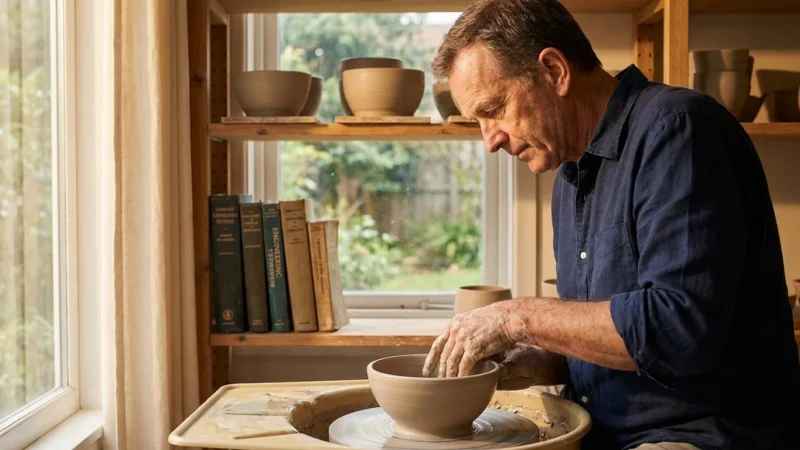
A man in his 60s working with clay in a pottery studio, symbolizing the transition from a career to a new personal purpose.

How to Rebuild Your Identity and Purpose After You Stop Working

Discover actionable, research-backed strategies to rebuild your identity, navigate emotional transitions, and find genuine purpose…

Read More →
traits most criminals share

9 Psychological Common Traits Most Criminals Share

What are the traits most criminals share?  People like John Wayne Gacy, Jeffrey Dahmer, and…

Read More →
Grieving Process

The Grieving Process Is Devastating. These 7 Remarkable Tips Will Help!

Let’s go through the grieving process together! Losing someone you love will never be an…

Read More →
types of trauma emotional unavailable

10 Most Common Types of Trauma Explained

Let’s talk about the most common types of trauma! While nearly everyone experiences traumatic or…

Read More →
smartphones affect our brains

Smartphones Seriously Affect Seniors’ Brains, Research Says

We use them every day, but the truth is that smartphones affect our brains! According…

Read More →
toxic self relationship and self love, taking to a narcissist, midlife crisis

5 Clear Indicators of Toxic Self-Relationship

How toxic are you being with yourself? I hope you know that more important than…

Read More →
An older woman in a knit sweater sits on a porch at dawn, holding a steaming mug and looking thoughtfully at a misty garden.

The Power of Gratitude: How Seniors Can Use It to Live Happier Lives

Discover how a daily gratitude practice can help seniors improve mental well-being, protect cognitive health,…

Read More →

Psychology Diary

The First Step Toward Change Is Awareness

Inedit Agency S.R.L.
Bucharest, Romania

contact@psychologydiary.com

Explore

  • About Us
  • Advertiser Disclosure
  • Contact Us
  • Disclaimer
  • Do not sell my personal information
  • Editorial Policy
  • Frequently Asked Questions
  • Privacy Policy
  • Terms and Conditions
  • Subscribe
  • Unsubscribe

Categories

  • Expert Tips
  • Family
  • Life
  • Marriage
  • Mental Health

© 2026 Psychology Diary. All rights reserved.