Psychology Diary

The First Step Toward Change Is Awareness

  • Home
  • Relationships
  • Mental Health
  • Expert Tips
  • Life
  • Family
  • Marriage

10 Dangerous Dementia Myths That Give You the WRONG Diagnosis

June 12, 2023 · Mental Health
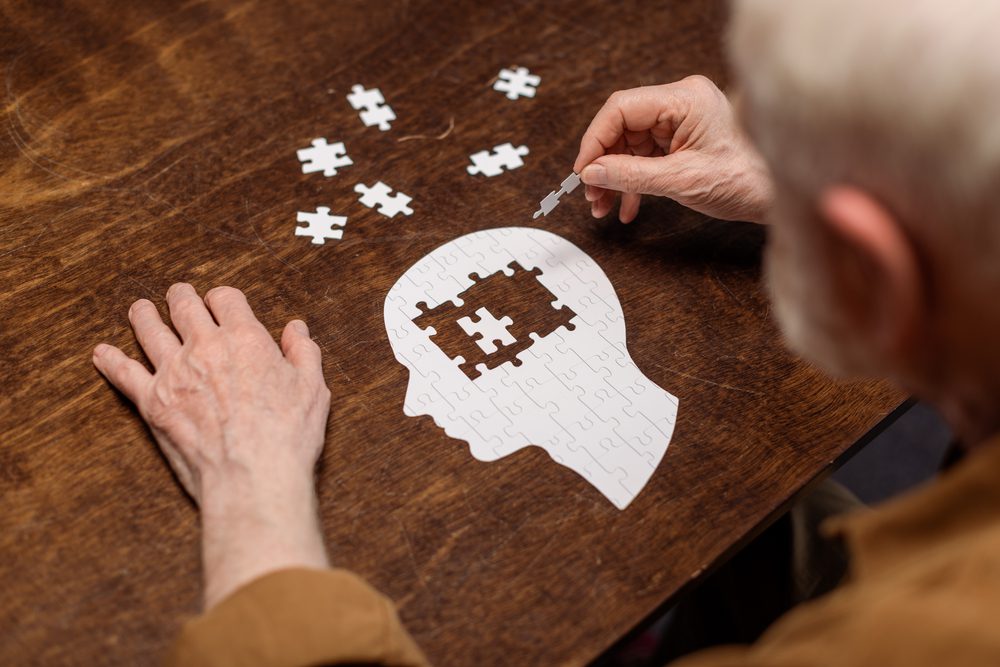
dementia myth
Photo by Bencemor from Shutterstock

Dementia is preventable

Unfortunately, this is completely untrue. However, it’s worth mentioning that some factors could reduce the risk of some types of dementia. For example, the Lancet Commission’s 2020 report on dementia prevention, intervention, and care lists 12 factors that could increase the risk of dementia: less education, hypertension, smoking, hearing impairment, depression, obesity, sedentary life, diabetes, low levels of social contact, alcohol consumption, and air pollution.

Working on changing some of these factors might have a positive impact on your health and even help reduce the risk of dementia.

Vitamins and supplements might prevent dementia

Regarding what we’ve discussed above, this is, again, false. Up to this date, there hasn’t been any strong evidence that vitamin and mineral supplements might reduce the risk of dementia. In fact, back in 2018, the Cochrane Library studied the issue with a thorough analysis that included data from over 83,000 participants from 28 other studies.

They concluded that there wasn’t any evidence to show that vitamin and mineral supplementation might have a meaningful effect on cognitive decline or dementia.

People with dementia are automatically more aggressive

In certain situations, people with dementia might find that it’s increasingly harder to understand the world around them (not that cognitively healthy adults have it any better, either). For understandable reasons, the confusion might become extremely frustrating, and some individuals might even respond to emotions in an angry fashion. But this doesn’t make it a rule for everyone. In fact, according to a study conducted on 215 people with dementia, 41% of them developed aggressive behavior throughout the 2-year study.

And when scientists looked at the list of factors that increased the risk of developing aggressive behavior, they discovered that physical pain and a low-quality relationship between the patients and their caregivers led to an increasingly aggressive attitude.

If you’re curious to read more about dementia, here’s what you need to read: 7 Subtle Signs Your Spouse Has Dementia

Pages: 1 2 3 4 5 6

Share this article

Facebook Twitter Pinterest LinkedIn Email

Leave a Reply Cancel reply

Your email address will not be published. Required fields are marked *

Search

Latest Posts

  • A conceptual watercolor illustration of a senior's silhouette in soft blue, with a glowing gold ink pathway symbolizing an awakening virus. 6 Early Signs of Shingles Seniors Should Never Ignore
  • An illustration of a person on a ledge reaching for a fragile golden thread emerging from a glowing smartphone screen. 10 Clear Signs Your Partner Is Only Feeding You Breadcrumbs
  • An editorial illustration of a senior man in an armchair while his partner speaks from a distance, with her voice fading as watercolor mist. 7 Early Warning Signs of Hearing Loss That Seniors Often Dismiss as Normal Aging
  • An unposed photo of a man sitting at a kitchen table looking slightly guarded during a quiet, intimate conversation. 8 Body Language Clusters That Indicate Someone Is Holding Back the Truth
  • An ink and watercolor illustration of a morning coffee cup on a wooden table with a gentle ripple, symbolizing subtle early changes. 7 Subtle Signs of Parkinson's Disease in the Early Stages
  • An editorial illustration of a silhouette standing on a fractured path, with a hand gently unravelling a thread from its shoulder. 8 Hidden Signs of Emotional Manipulation in a Relationship
  • Gouache illustration of a couple walking hand-in-hand through a vibrant landscape of overlapping colorful plants and abstract shapes. The 5 Love Languages Revisited: What Really Keeps Couples Close
  • A watercolor illustration of two people on an uneven seesaw, symbolizing a lopsided, selfish relationship dynamic. 10 Signs Someone May Be More Selfish Than They Realize
  • An editorial ink and watercolor illustration of a lonely figure fading into soft gray washes, symbolizing emotional vulnerability. 10 Warning Signs You May Be in an Emotionally Abusive Relationship
  • A couple sits on opposite ends of a long sofa in a dimly lit living room, staring away from each other with a large physical gap between the 10 Signs You're No Longer Connected to Your Partner

Newsletter

Get the latest posts delivered to your inbox.

Related Articles

war

Most Devastating Psychological Consequences of War

The pain, suffering, and displacement that often come with such a traumatic event is an…

Read More →
Parkinson's

Parkinson’s Disease: 8 Early Warning Signs to Look For

Knowing the early signs of Parkinson’s disease is beneficial, so you know what to look…

Read More →
brain

10 Strategies To Fight Brain Aging and Boost Your Cognitive Health

So you’ve noticed some changes in your memory and thinking. Perhaps you often misplace your…

Read More →

Misdiagnosed Mental Illnesses: 4 Shocking Ones Commonly Overlooked

Depression While you may be hearing the fact that depression is diagnosed way too easily…

Read More →
mental health

9 Ways to Improve Your Mental Health NOW

How important is mental health for you? Whether we watch TV, scroll through social media,…

Read More →
sound therapy

Sound Therapy: What Is It and Why Does It Have Colors?

Have you wondered what sound therapy is and if it is just a new fad?…

Read More →
Two hands clasped together, showing support.

How to Support a Partner or Friend Experiencing a Mental Health Crisis

Encouraging Professional Help: Bridging the Gap While your support is invaluable, it is not a…

Read More →
borderline personality disorder

10 Ways to Cope With Borderline Personality Disorder

Here’s how To Cope with Borderline Personality Disorder! If you suffer from borderline personality disorder…

Read More →
PTSD

Nightmares, Numbness, and 12 Other Shocking Signs of PTSD

What do you know about PTSD? To put it in simpler words, disorders of the…

Read More →

Psychology Diary

The First Step Toward Change Is Awareness

Inedit Agency S.R.L.
Bucharest, Romania

contact@psychologydiary.com

Explore

  • About Us
  • Advertiser Disclosure
  • Contact Us
  • Disclaimer
  • Do not sell my personal information
  • Editorial Policy
  • Frequently Asked Questions
  • Privacy Policy
  • Terms and Conditions
  • Subscribe
  • Unsubscribe

Categories

  • Expert Tips
  • Family
  • Life
  • Marriage
  • Mental Health

© 2026 Psychology Diary. All rights reserved.