Psychology Diary

The First Step Toward Change Is Awareness

  • Home
  • Relationships
  • Mental Health
  • Expert Tips
  • Life
  • Family
  • Marriage

Recognizing the Signs of a Nervous Breakdown in a Loved One

August 31, 2025 · Mental Health

Concerned man's hands clasped on table

Frequently Asked Questions (FAQs)

Is a nervous breakdown the same as a panic attack?

No, they are different. A panic attack is a sudden, intense episode of fear or anxiety that typically peaks within 10 minutes and includes strong physical symptoms like a racing heart and shortness of breath. A “nervous breakdown” or mental health crisis is a more prolonged period of time, lasting days or weeks, where a person is so overwhelmed by stress that they are unable to function in their day-to-day life.

How long does a nervous breakdown last?

There is no set timeline. The duration of a mental health crisis depends on many factors, including the severity of the underlying stressors, the person’s coping skills, their support system, and whether they receive professional treatment. Recovery is a gradual process with ups and downs, not a single event with a clear endpoint. The goal is to build resilience and develop healthier coping strategies for the long term.

Can you force someone to get help?

In most situations, you cannot force an adult to seek mental health treatment against their will. The focus should be on gentle encouragement, expressing your concern, and offering support. However, if a person is an immediate danger to themselves or others, or is so incapacitated that they cannot meet their basic survival needs (a state known as being “gravely disabled”), there are legal options for involuntary commitment for a temporary evaluation. These laws vary significantly by state and should be seen as a last resort in a life-threatening emergency.

Pages: 1 2 3 4 5 6 7 8 9

Share this article

Facebook Twitter Pinterest LinkedIn Email

Leave a Reply Cancel reply

Your email address will not be published. Required fields are marked *

Search

Latest Posts

  • An ink and watercolor illustration of a person holding a large ceramic vase with glowing gold cracks, symbolizing hidden internal pressure. The Psychology of the Person Who Is Always Fine Until They Absolutely Aren't
  • A woman sits in a sunlit home library, looking thoughtfully out a window with an open book on her lap. 12 Signs of a High IQ
  • A candid photograph of a tense moment between a couple in a sunlit kitchen, one partner looking exhausted while the other looks away. 8 Traits of Someone Who Always Has to Be Right
  • A conceptual paper collage portrait made of torn fragments representing a fragmented digital identity with blue screen patterns. 10 Clues Someone Has a False Online Identity
  • A conceptual mixed media collage showing a silhouette with a peeling mask, revealing a deep indigo inner layer. 8 Trauma Responses That Get Mistaken for Personality Traits
  • A conceptual watercolor illustration of a senior's silhouette in soft blue, with a glowing gold ink pathway symbolizing an awakening virus. 6 Early Signs of Shingles Seniors Should Never Ignore
  • An illustration of a person on a ledge reaching for a fragile golden thread emerging from a glowing smartphone screen. 10 Clear Signs Your Partner Is Only Feeding You Breadcrumbs
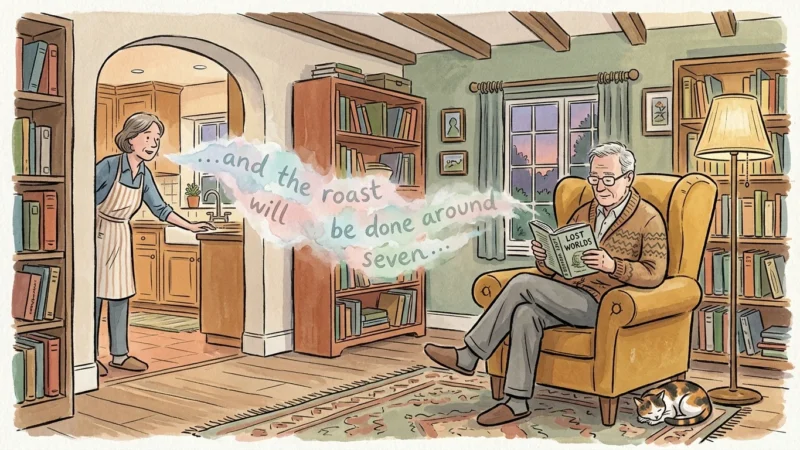
  • An editorial illustration of a senior man in an armchair while his partner speaks from a distance, with her voice fading as watercolor mist. 7 Early Warning Signs of Hearing Loss That Seniors Often Dismiss as Normal Aging
  • An unposed photo of a man sitting at a kitchen table looking slightly guarded during a quiet, intimate conversation. 8 Body Language Clusters That Indicate Someone Is Holding Back the Truth
  • An ink and watercolor illustration of a morning coffee cup on a wooden table with a gentle ripple, symbolizing subtle early changes. 7 Subtle Signs of Parkinson's Disease in the Early Stages

Newsletter

Get the latest posts delivered to your inbox.

Related Articles

how to stop catastrophizing

5 Tips to Help You Stop Catastrophizing

Do you want to know how to stop catastrophizing? This can be a really helpful…

Read More →
Two people sitting on a sofa in a quiet, sunlit living room, showing a moment of supportive connection and listening.

9 Things You Should NEVER Say to Someone With Anxiety

Learn the 9 harmful phrases you should avoid saying to someone with anxiety, why they…

Read More →
Social media is harming your mental health

5 Signs Social Media is Harming Your Mental Health

Social media is harming your mental health more than anything else! See how you can…

Read More →
self-soothing,

9 Self-Soothing Methods to Help You Regain Balance

Some of The Best Self-Soothing Tactics out There! Let’s face it: We all have moments…

Read More →
men become cranky as they age

Why Do Men Become Cranky as They Age? 9 Psychological Reasons

The psychological explanation behind “Why do men become cranky as they age”  The phrase “grumpy…

Read More →
mental health

Mental Health Struggles: 7 Usual (and True) Things People Go Through

…Is mental health a priority for you? If not, it should be. According to experts,…

Read More →
An editorial illustration of a senior man in an armchair while his partner speaks from a distance, with her voice fading as watercolor mist.

7 Early Warning Signs of Hearing Loss That Seniors Often Dismiss as Normal Aging

Discover the 7 early behavioral and emotional warning signs of hearing loss, and learn how…

Read More →
Lonely, frienship, feel

Feeling Lonely? Here Are 8 Genius Ways to Combat Isolation in Retirement

If you or an elderly person you love has been feeling lonely, this article’s for…

Read More →
burnout, causes and symptoms

Burnout: Causes and Symptoms explained by Psychologists

What is burnout? Causes and symptoms are presented and explained by psychologists in the following…

Read More →

Psychology Diary

The First Step Toward Change Is Awareness

Inedit Agency S.R.L.
Bucharest, Romania

contact@psychologydiary.com

Explore

  • About Us
  • Advertiser Disclosure
  • Contact Us
  • Disclaimer
  • Do not sell my personal information
  • Editorial Policy
  • Frequently Asked Questions
  • Privacy Policy
  • Terms and Conditions
  • Subscribe
  • Unsubscribe

Categories

  • Expert Tips
  • Family
  • Life
  • Marriage
  • Mental Health

© 2026 Psychology Diary. All rights reserved.