Psychology Diary

The First Step Toward Change Is Awareness

  • Home
  • Relationships
  • Mental Health
  • Expert Tips
  • Life
  • Family
  • Marriage

Am I in a Toxic Relationship?’ 8 Questions to Ask Yourself

August 31, 2025 · Relationships

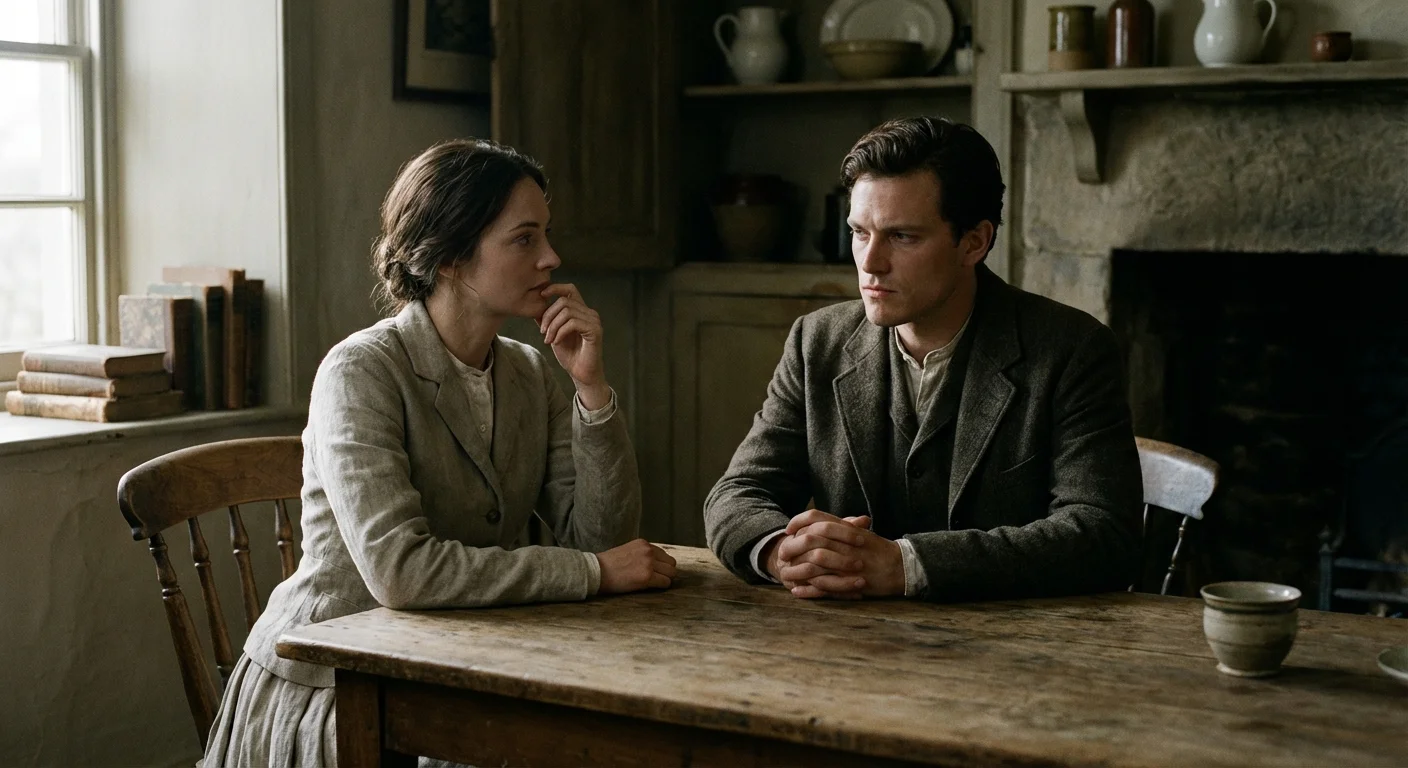
Couple in therapy session, actively listening.

Frequently Asked Questions (FAQs)

Can a toxic relationship be fixed?

This is a hopeful but complicated question. The answer is a qualified “sometimes.” A relationship can heal, but it requires two things: the toxic behavior must stop, and both partners must be fully committed to the hard work of change. This often means seeking professional help from a licensed marriage and family therapist. The person who has been engaging in harmful behaviors must take ownership, learn new ways of communicating and managing emotions, and work to rebuild trust. The person who has been harmed needs to learn to set and enforce firm boundaries and heal their own emotional wounds. It is a long, difficult process, and it is not possible if one partner is unwilling, in denial, or continues the abusive patterns.

What is the difference between a bad patch and a toxic relationship?

A bad patch is typically time-limited and situational. It might be caused by an external stressor like a job loss, a family illness, or a major move. During a bad patch, a couple might be more irritable and argue more, but the fundamental respect and care for each other remain intact. They still function as a team, even if it’s a struggling one. A toxic relationship, on the other hand, is a chronic, pervasive pattern of harmful behavior that is not tied to a specific external event. The issues are internal to the relationship itself—control, disrespect, contempt, and emotional safety are consistently compromised. A bad patch feels like a storm you’re weathering together; a toxic relationship feels like the storm is your partner.

How do I talk to my partner about my concerns?

If you have determined that your relationship is in a “mixed” or “yellow light” zone and you feel safe doing so, you can try to open a conversation. Choose a calm, neutral time—not during or immediately after a conflict. Use “I-statements” to avoid blame. Focus on your feelings and on the pattern of behavior, not on labeling your partner or the relationship. You might say, “I want to talk about something that’s been on my mind. I’ve been feeling very lonely lately when our disagreements end without us really resolving them. It feels like we’re growing apart, and that scares me. I was wondering if you would be willing to work with me, maybe even with a counselor, to find a better way for us to communicate?” Framing it as a team problem (“us,” “we”) can sometimes be more effective than framing it as a “you” problem.

Pages: 1 2 3 4 5 6 7

Share this article

Facebook Twitter Pinterest LinkedIn Email

Leave a Reply Cancel reply

Your email address will not be published. Required fields are marked *

Search

Latest Posts

  • A mixed media collage of a silhouette filled with torn paper and translucent layers, symbolizing the invisible nature of emotional neglect. 10 Traits of People Emotionally Neglected as Kids
  • A mixed-media collage showing a rigid, golden silhouette with cracks revealing a soft, watercolor interior, representing performative armor. 7 Behaviors People Mistake For Confidence But Aren’t
  • A woman sits alone at a kitchen table in dim evening light while her partner stands in the background, illustrating emotional distance. 9 Psychological Reasons Why People Stay in Unhappy Relationships
  • An illustration of a person using a prism to turn a chaotic blue wave into a clear spectrum of distinct colors. 10 Signs You Have Exceptionally High Emotional Intelligence
  • A mixed-media collage of an older person's profile filled with childhood drawings and school reports, representing deep-seated habits. 8 Childhood Habits That Still Secretly Shape Your Personality After 60
  • An abstract mixed-media piece showing bright yellow and orange splashes like a laugh, covering a dark, dense gray background. 7 Signs Someone Uses Humor To Avoid Serious Conversations
  • Two friends sitting at a kitchen table, unconsciously mirroring each other's posture by resting their chins on their hands. 7 Signs Someone Mirrors Your Personality Without Realizing It
  • A woman laughs at her phone while her friend sits beside her on a sofa with a forced, thin smile and envious eyes. 7 Friendship Behaviors That Reveal Hidden Jealousy
  • A mixed media collage showing a glowing smartphone screen inside a mirror frame, casting a shadow of a staged performance on a curtain. 7 Signs Someone Is Performing Kindness For Attention
  • A mixed media collage of a person in a theatrical spotlight while their partner sits in the shadows of a theater audience. 7 Signs Someone Loves Attention More Than They Love You

Newsletter

Get the latest posts delivered to your inbox.

Related Articles

A mixed media collage of an anatomical heart being slowly stained by dark ink, symbolizing the corrosive nature of unspoken resentment.

7 Signs Someone Is Secretly Resentful Toward You

Learn how to identify the subtle signs of secret resentment in your relationships and discover…

Read More →
fall in love with narcissists

6 Reasons Why People Fall in Love With Narcissists

5. They were raised by a narcissist If someone has a narcissistic parent or parents,…

Read More →
Adult Friendship Lie

5 Adult Friendship Lies We ALL Believe

Consider these adult friendship lies and misconceptions! When we have an issue with a family…

Read More →
men

10 Things Men Are Secretly Embarrassed About

Sometimes, they don’t know how to act due to all the mixed signals This is…

Read More →

The Best Tips on How to Find Love in Your 40s

Have you given up on finding love because you think you are too old? Love…a…

Read More →
Illustration of a person looking into a mirror, oblivious to the people around them who are fading into the background.

8 Keys to Recognizing the Faces of Egocentric Behavior

Learn to identify the eight faces of egocentric behavior, understand the psychological difference from narcissism,…

Read More →
Subtle Relationship Issue

8 Subtle Relationship Issues That Will Lead to Catastrophe

Letting yourself go As time goes on, many couples get a bit too comfortable. This…

Read More →
emotional blackmail, emotional masochist

10 Shocking Signs You Might Be an Emotional Masochist

Are you an emotional masochist? These signs say yes! Even though whips and chains might…

Read More →
Partner

If Your Partner Is Asking You to Do These 7 Absurd Things, It’s Time to Leave

They Demand You Make Major Life Changes Making comments about the kind of coffee they…

Read More →

Psychology Diary

The First Step Toward Change Is Awareness

Inedit Agency S.R.L.
Bucharest, Romania

contact@psychologydiary.com

Explore

  • About Us
  • Advertiser Disclosure
  • Contact Us
  • Disclaimer
  • Do not sell my personal information
  • Editorial Policy
  • Frequently Asked Questions
  • Privacy Policy
  • Terms and Conditions
  • Subscribe
  • Unsubscribe

Categories

  • Expert Tips
  • Family
  • Life
  • Marriage
  • Mental Health

© 2026 Psychology Diary. All rights reserved.