Psychology Diary

The First Step Toward Change Is Awareness

  • Home
  • Relationships
  • Mental Health
  • Expert Tips
  • Life
  • Family
  • Marriage

Understanding Common Mental Health Challenges in Older Adults

August 31, 2025 · Mental Health

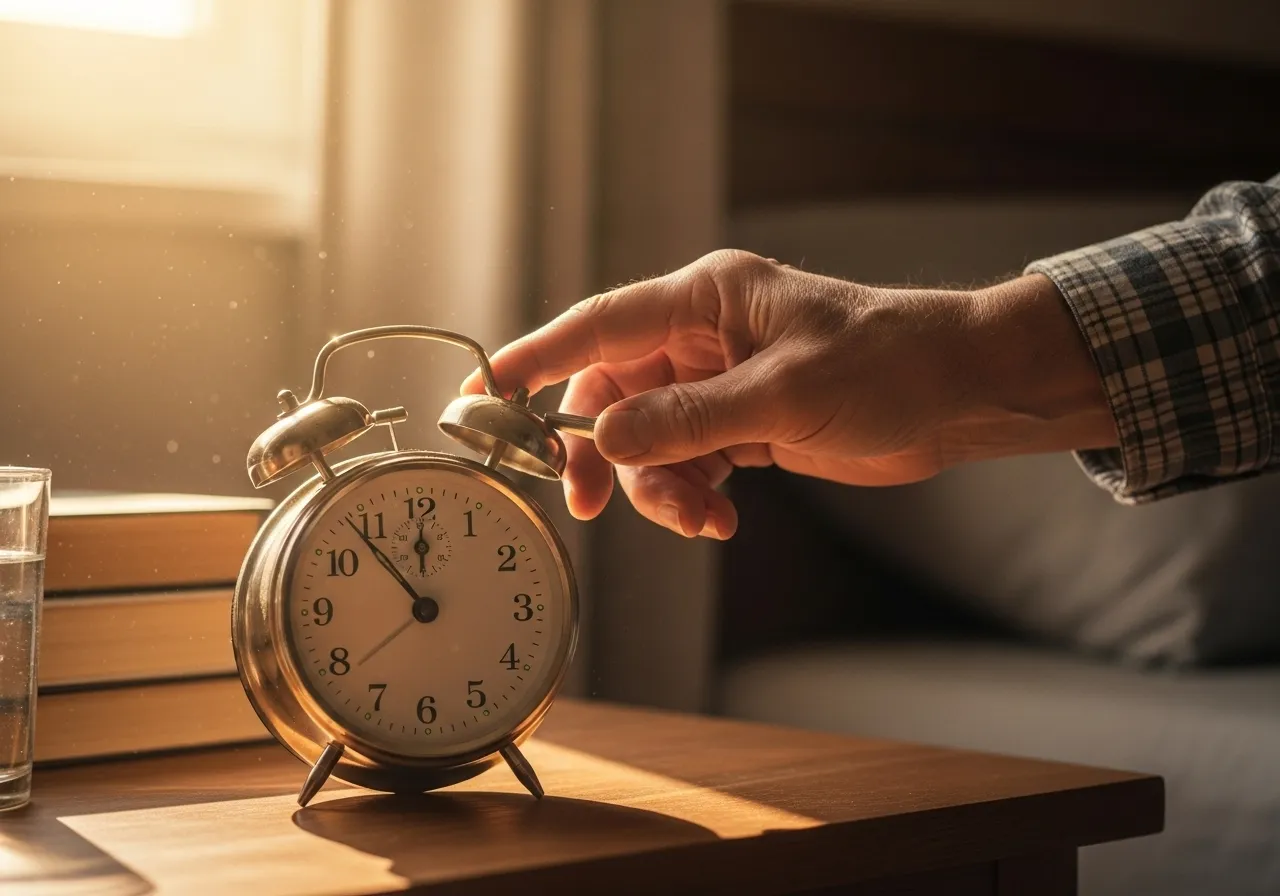
Man turning off alarm clock in morning

Understanding Other Conditions: From Insomnia to Late-Onset Bipolar Disorder

While depression and anxiety are the most common challenges, it’s helpful to be aware of other conditions that can affect mental health in later life. An accurate understanding is the first step toward the right kind of support.

Insomnia and Sleep Disruption

Sleep patterns naturally change as we age, but chronic insomnia is not a normal part of aging. Poor sleep is a major contributor to—and a symptom of—both depression and anxiety. A tired brain has less capacity to manage emotions, and a worried mind struggles to shut down for rest. It’s a vicious cycle.

Improving sleep hygiene can make a significant difference. This means creating a consistent routine and an environment conducive to rest. Try these steps for one week:

1. Consistent Schedule: Go to bed and wake up at the same time every day, even on weekends.

2. Wind-Down Routine: For the hour before bed, turn off bright screens (TV, phone, tablet). The blue light can suppress melatonin, the hormone that helps you sleep. Instead, listen to calm music, read a physical book, or take a warm bath.

3. Cool, Dark, Quiet Room: Optimize your bedroom for sleep. Use blackout curtains and remove any sources of noise or light.

4. Avoid Stimulants: Limit caffeine after noon and avoid alcohol close to bedtime. While alcohol might make you feel sleepy initially, it disrupts sleep quality later in the night. The CDC offers more detailed guidance on healthy sleep habits.

Late-Onset Bipolar Disorder

Bipolar disorder is characterized by extreme shifts in mood, energy, and activity levels, cycling between depressive lows and manic or hypomanic highs. While it typically emerges in young adulthood, it is possible—though less common—to have a first episode after age 50. This is known as late-onset bipolar disorder.

A manic or hypomanic episode isn’t just feeling good; it’s a distinct period of abnormally elevated or irritable mood. Symptoms might include a decreased need for sleep, talking much faster than usual, racing thoughts, being easily distracted, and engaging in impulsive or risky behavior (like spending sprees or reckless driving). These episodes are followed by periods of major depression.

Because the symptoms, especially mania, can be mistaken for other conditions like dementia or the side effects of medication (such as steroids), a thorough psychiatric evaluation is crucial. This is not a condition to manage on your own; it requires a professional diagnosis and a treatment plan from a psychiatrist, which usually involves mood-stabilizing medication and therapy.

Complicated Grief

As mentioned earlier, grief is a natural response to loss. However, sometimes the acute pain of grief doesn’t lessen with time. In complicated grief (also called prolonged grief disorder), a person remains stuck in an intense state of mourning. They may have persistent, intrusive thoughts about the deceased, feel that life is meaningless without them, and be unable to re-engage in daily life months or even years after the loss. If grief feels this stuck and all-consuming, specialized grief counseling or therapy can provide a path forward, helping to honor the memory of the loved one while finding a way to live with the loss.


Pages: 1 2 3 4 5 6 7 8 9 10

Share this article

Facebook Twitter Pinterest LinkedIn Email

Leave a Reply Cancel reply

Your email address will not be published. Required fields are marked *

Search

Latest Posts

  • A mixed media collage of a silhouette filled with torn paper and translucent layers, symbolizing the invisible nature of emotional neglect. 10 Traits of People Emotionally Neglected as Kids
  • A mixed-media collage showing a rigid, golden silhouette with cracks revealing a soft, watercolor interior, representing performative armor. 7 Behaviors People Mistake For Confidence But Aren’t
  • A woman sits alone at a kitchen table in dim evening light while her partner stands in the background, illustrating emotional distance. 9 Psychological Reasons Why People Stay in Unhappy Relationships
  • An illustration of a person using a prism to turn a chaotic blue wave into a clear spectrum of distinct colors. 10 Signs You Have Exceptionally High Emotional Intelligence
  • A mixed-media collage of an older person's profile filled with childhood drawings and school reports, representing deep-seated habits. 8 Childhood Habits That Still Secretly Shape Your Personality After 60
  • An abstract mixed-media piece showing bright yellow and orange splashes like a laugh, covering a dark, dense gray background. 7 Signs Someone Uses Humor To Avoid Serious Conversations
  • Two friends sitting at a kitchen table, unconsciously mirroring each other's posture by resting their chins on their hands. 7 Signs Someone Mirrors Your Personality Without Realizing It
  • A woman laughs at her phone while her friend sits beside her on a sofa with a forced, thin smile and envious eyes. 7 Friendship Behaviors That Reveal Hidden Jealousy
  • A mixed media collage showing a glowing smartphone screen inside a mirror frame, casting a shadow of a staged performance on a curtain. 7 Signs Someone Is Performing Kindness For Attention
  • A mixed media collage of a person in a theatrical spotlight while their partner sits in the shadows of a theater audience. 7 Signs Someone Loves Attention More Than They Love You

Newsletter

Get the latest posts delivered to your inbox.

Related Articles

mentally ill US presidents

7 Mentally Ill US Presidents and Their Symptoms

Calvin Coolidge Calvin Coolidge was yet another president who suffered from many losses in his…

Read More →
therapist

10 Warning Signs You Should Talk to a Therapist

5. Your symptoms interfere with your work A mental health problem could be indicated by…

Read More →
A single coffee mug on a wooden table next to an empty chair in a sunlit kitchen, representing the quiet of loss.

How to Cope with Grief After Losing a Spouse in Retirement

Learn practical, evidence-based strategies to cope with the loss of a spouse in retirement, protect…

Read More →
mental health depression

8 Mental Health Myths Every Senior Should Read

The general public’s mental health difficulties are now widely accepted by society, which represents huge…

Read More →

Misdiagnosed Mental Illnesses: 4 Shocking Ones Commonly Overlooked

Borderline personality disorder Also known as BPD, it is a common misdiagnosed mental illness, and…

Read More →
burnout

7 Signs of Burnout (and What To Do About It)

Even the greatest jobs can lead to burnout. The more you work and the more…

Read More →
anxiety

Anxiety Is Different In Seniors. Do You Know The Warning Signs?

We stressed so much about this subject, mainly because anxiety is more than just a…

Read More →
cope with health anxiety

Hypochondria: 7 Tips on How to Cope With Health Anxiety

4. Limit medical research The Internet’s multi-functioning use, along with its versatility, can trap anyone…

Read More →
paranoia after 60

5 Subtle Signs of Paranoia After 60, According to Psychiatrists

They have a self-consciousness to the point of grandiosity The kind of self-consciousness that we’re…

Read More →

Psychology Diary

The First Step Toward Change Is Awareness

Inedit Agency S.R.L.
Bucharest, Romania

contact@psychologydiary.com

Explore

  • About Us
  • Advertiser Disclosure
  • Contact Us
  • Disclaimer
  • Do not sell my personal information
  • Editorial Policy
  • Frequently Asked Questions
  • Privacy Policy
  • Terms and Conditions
  • Subscribe
  • Unsubscribe

Categories

  • Expert Tips
  • Family
  • Life
  • Marriage
  • Mental Health

© 2026 Psychology Diary. All rights reserved.