Psychology Diary

The First Step Toward Change Is Awareness

  • Home
  • Relationships
  • Mental Health
  • Expert Tips
  • Life
  • Family
  • Marriage

8 Tips for De-Stressing After a Conflict

July 25, 2023 · Mental Health
tips for de-stressing
Photo by fizkes from Shutterstock

2. Stay calm

We know it’s hard to stay calm after a big conflict when everybody yells at each other. But it’s very important, and it helps you de-stress! If being calm can’t be done that fast, try to take deep breaths and stay centered. Focus on your breathing exercises! This is the nonverbal way to influence others to do the same and see how they react. In most cases, some moments of silence help people be calmer and more aware of what happened.

3. Be an empathic listener

You’ve probably heard this cliche phrase quite a lot in the past few years, but it is by far one of the best tips for de-stressing! Being empathic has always been one of the greatest qualities a human can have, but very few people acknowledge it. After a conflict, most of us tend to be angry, frustrated, and even sad because it happened. And while it’s perfectly normal to feel like that, there is always the other side of the coin that matters, and in this case, empathy. Empathic listening to the person in front of you will help you find the solution to your problem.

Try to listen to them to understand their point of view, not to disagree with them! Wait for them to vent, and after that, when it’s your turn to speak, feel free to. According to therapists, in the majority of cases, conflicts are not caused by the problem but mostly because people can’t communicate with or resonate with the opponent on an emotional level.

Instead of keeping yelling at each other or, even worse, insulting yourselves, focus on the solutions to end the argument! Try this next time you’re fighting with someone.


Pages: 1 2 3 4 5 6

Share this article

Facebook Twitter Pinterest LinkedIn Email

Leave a Reply Cancel reply

Your email address will not be published. Required fields are marked *

Search

Latest Posts

  • An unposed photo of a man sitting at a kitchen table looking slightly guarded during a quiet, intimate conversation. 8 Body Language Clusters That Indicate Someone Is Holding Back the Truth
  • An ink and watercolor illustration of a morning coffee cup on a wooden table with a gentle ripple, symbolizing subtle early changes. 7 Subtle Signs of Parkinson's Disease in the Early Stages
  • An editorial illustration of a silhouette standing on a fractured path, with a hand gently unravelling a thread from its shoulder. 8 Hidden Signs of Emotional Manipulation in a Relationship
  • Gouache illustration of a couple walking hand-in-hand through a vibrant landscape of overlapping colorful plants and abstract shapes. The 5 Love Languages Revisited: What Really Keeps Couples Close
  • A watercolor illustration of two people on an uneven seesaw, symbolizing a lopsided, selfish relationship dynamic. 10 Signs Someone May Be More Selfish Than They Realize
  • An editorial ink and watercolor illustration of a lonely figure fading into soft gray washes, symbolizing emotional vulnerability. 10 Warning Signs You May Be in an Emotionally Abusive Relationship
  • A couple sits on opposite ends of a long sofa in a dimly lit living room, staring away from each other with a large physical gap between the 10 Signs You're No Longer Connected to Your Partner
  • Editorial ink and watercolor illustration of a person wearing a suit of mirrors as protective armor, symbolizing defensive ego preservation. 9 Signs You Struggle to Admit Mistakes
  • A conceptual mixed-media collage showing dark, chaotic textures emerging from a clean paper silhouette, symbolizing hidden guilt leaking out 7 Signs Someone May Feel Guilty About Something
  • An editorial illustration of a person sitting at a table with a root system growing from their chair into the floorboards. The Mental Symptoms Many People Ignore Until It's Too Late

Newsletter

Get the latest posts delivered to your inbox.

Related Articles

Older adults listening in a support group.

Understanding Common Mental Health Challenges in Older Adults

Recognizing Depression in Older Adults (Geriatric Depression) When we think of depression, we often picture…

Read More →
toxic self relationship and self love, taking to a narcissist, midlife crisis

5 Clear Indicators of Toxic Self-Relationship

How toxic are you being with yourself? I hope you know that more important than…

Read More →
alzheimer's disease

12 Ways To Help Prevent Alzheimer’s disease (and Other Forms of Dementia)

There are currently 50 million people worldwide who struggle with dementia, and researchers project that…

Read More →
anxiety

7 Effective Ways to Reduce Anxiety

#2 Try Some Breathing Exercises This stress-relieving breathing exercise may be performed anywhere and just…

Read More →
schizophrenia

6 Risk Factors for Schizophrenia Every Senior Must Know

3. Genetics The connection between schizophrenia and your genetic predisposition is unbelievable! And if you…

Read More →
Active Shooter

8 Shocking Traits All Active Shooters Have in Common

Let’s talk about the psychological profile of active shooters! The unfortunate reality is that mass…

Read More →
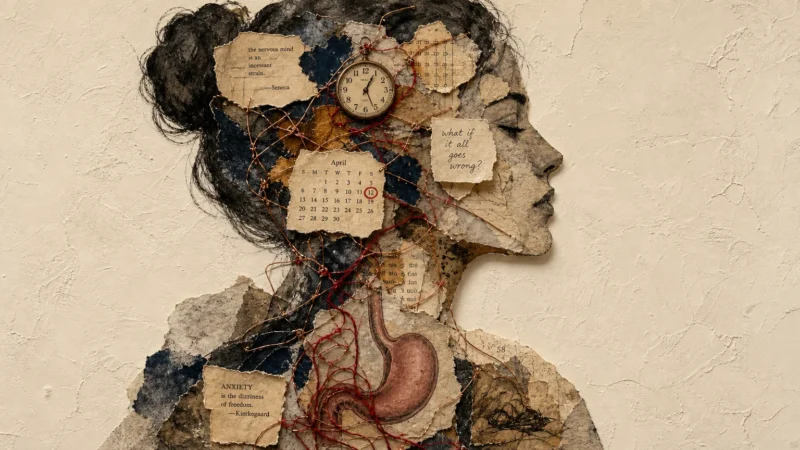
An artistic mixed-media collage silhouette of a person filled with tangled threads, a clock dial, and watercolor shapes on textured paper.

9 Everyday Symptoms That May Be Linked to Anxiety

Discover the hidden, everyday signs of an anxiety disorder—from chronic procrastination to digestive distress—and learn…

Read More →
depression

5 “Normal” Things That Are Actually Depression

Are you doing these things? It might be depression! The World Health Organization (WHO) estimates…

Read More →
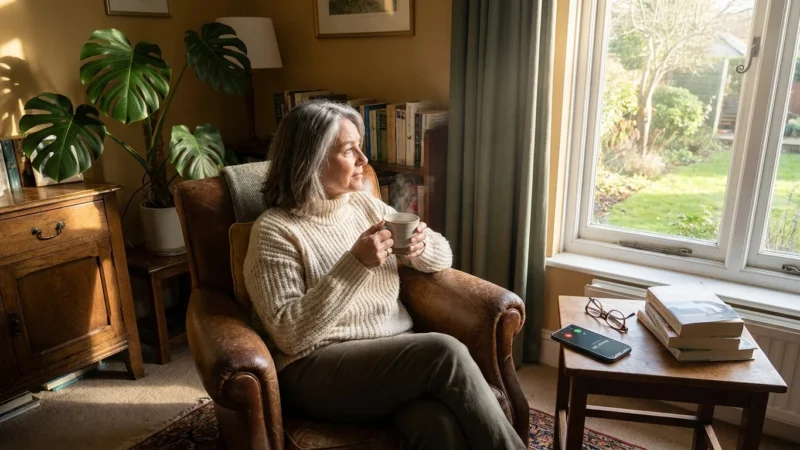
A woman in her 60s sits thoughtfully in a sunlit living room with a mug of tea, reflecting on connection and solitude.

Why Loneliness Hits Harder After 60—and How to Fix It

Discover why loneliness intensifies after 60, learn the difference between solitude and isolation, and explore…

Read More →

Psychology Diary

The First Step Toward Change Is Awareness

Inedit Agency S.R.L.
Bucharest, Romania

contact@psychologydiary.com

Explore

  • About Us
  • Advertiser Disclosure
  • Contact Us
  • Disclaimer
  • Do not sell my personal information
  • Editorial Policy
  • Frequently Asked Questions
  • Privacy Policy
  • Terms and Conditions
  • Subscribe
  • Unsubscribe

Categories

  • Expert Tips
  • Family
  • Life
  • Marriage
  • Mental Health

© 2026 Psychology Diary. All rights reserved.