Psychology Diary

The First Step Toward Change Is Awareness

  • Home
  • Relationships
  • Mental Health
  • Expert Tips
  • Life
  • Family
  • Marriage

Am I in a Toxic Relationship?’ 8 Questions to Ask Yourself

August 31, 2025 · Relationships

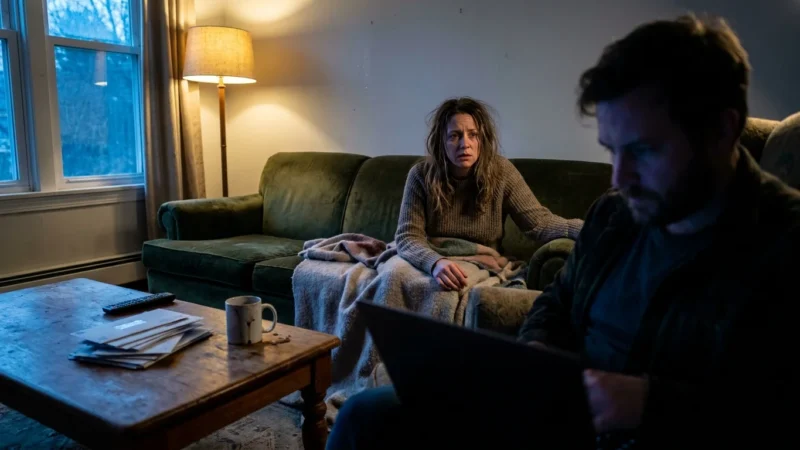
Couple in therapy session, actively listening.

Frequently Asked Questions (FAQs)

Can a toxic relationship be fixed?

This is a hopeful but complicated question. The answer is a qualified “sometimes.” A relationship can heal, but it requires two things: the toxic behavior must stop, and both partners must be fully committed to the hard work of change. This often means seeking professional help from a licensed marriage and family therapist. The person who has been engaging in harmful behaviors must take ownership, learn new ways of communicating and managing emotions, and work to rebuild trust. The person who has been harmed needs to learn to set and enforce firm boundaries and heal their own emotional wounds. It is a long, difficult process, and it is not possible if one partner is unwilling, in denial, or continues the abusive patterns.

What is the difference between a bad patch and a toxic relationship?

A bad patch is typically time-limited and situational. It might be caused by an external stressor like a job loss, a family illness, or a major move. During a bad patch, a couple might be more irritable and argue more, but the fundamental respect and care for each other remain intact. They still function as a team, even if it’s a struggling one. A toxic relationship, on the other hand, is a chronic, pervasive pattern of harmful behavior that is not tied to a specific external event. The issues are internal to the relationship itself—control, disrespect, contempt, and emotional safety are consistently compromised. A bad patch feels like a storm you’re weathering together; a toxic relationship feels like the storm is your partner.

How do I talk to my partner about my concerns?

If you have determined that your relationship is in a “mixed” or “yellow light” zone and you feel safe doing so, you can try to open a conversation. Choose a calm, neutral time—not during or immediately after a conflict. Use “I-statements” to avoid blame. Focus on your feelings and on the pattern of behavior, not on labeling your partner or the relationship. You might say, “I want to talk about something that’s been on my mind. I’ve been feeling very lonely lately when our disagreements end without us really resolving them. It feels like we’re growing apart, and that scares me. I was wondering if you would be willing to work with me, maybe even with a counselor, to find a better way for us to communicate?” Framing it as a team problem (“us,” “we”) can sometimes be more effective than framing it as a “you” problem.

Pages: 1 2 3 4 5 6 7

Share this article

Facebook Twitter Pinterest LinkedIn Email

Leave a Reply Cancel reply

Your email address will not be published. Required fields are marked *

Search

Latest Posts

  • Two people sitting on a sofa in a quiet, sunlit living room, showing a moment of supportive connection and listening. 9 Things You Should NEVER Say to Someone With Anxiety
  • A tense, high-contrast conversation between two people in a minimalist setting. 5 Body Language Secrets That Reveal Someone Is Lying to You
  • A woman sitting thoughtfully by a window in a soft-lit, modern living room. 8 Signs You Were Raised by an Emotionally Unavailable Parent
  • Surreal illustration of a person looking into a mirror that reflects a golden labyrinth, symbolizing internal complexity. The 6 Most Dangerous Lies We Tell Ourselves Every Day
  • A woman in a peaceful, sunlit room embodying emotional clarity and calm. 10 Things Emotionally Intelligent People NEVER Do
  • A sophisticated woman in her 60s looking out a window in a bright, modern home. 7 Habits That Secretly Destroy Your Mental Health After 60
  • A woman looking distressed and thoughtful during a difficult conversation with a partner in a modern kitchen. 9 Manipulative Phrases Toxic People Use Without You Realizing
  • An adult daughter comforting her elderly father by a sunlit window. 5 Early Warning Signs of Alzheimer's Most People Ignore
  • A person balancing on a thin, fraying shadow thread over a dark blue background. 8 Things Narcissists Say to Keep You Under Control
  • A couple standing far apart in a dimly lit, modern living room, looking away from each other. 6 Silent Signs Your Marriage Is Slowly Falling Apart

Newsletter

Get the latest posts delivered to your inbox.

Related Articles

introverted grandchild

Understanding Your Introverted Grandchild: 6 Key Traits Explained

Do you have an introverted grandchild? Understand them better and learn how to communicate with…

Read More →
you have ADHD

10 Warning Signs You Have ADHD as an Adult

How can you tell if you have ADHD? Read on what doctors have to say…

Read More →
lying

10 Subtle Signs Someone’s Lying To You

5. There are changes in their vocal tone This one is pretty easy to detect…

Read More →

10 Signs Your Partner Is Not The One

Being in a relationship has become more and more complicated, especially if you’re looking for…

Read More →

The Most Common Signs That Indicate You’re In A Rebound Relationship

After breaking up with someone, you usually enter a phase filled with sadness and frustration…

Read More →
cheaters-spy-1

8 Common Ways Most Cheaters Are Discovered

Cheaters usually think they can outsmart others. They use all sorts of codenames, excessively long…

Read More →
love

12 Painful Signs Your Significant Other Isn’t In Love With You Anymore

“I will always love you. But I’m not in love with you anymore.” You might…

Read More →
mother-in-law

8 Signs a Mother-in-Law Is Secretly Jealous

6. Two-faced attitude If you’re dealing with a jealous mother-in-law, you’ll eventually come to understand…

Read More →
cheating partner

10 Most Common Lies Cheating Men Will Say

He allegedly got pulled over by the police Another common thing that cheaters do is…

Read More →

Psychology Diary

The First Step Toward Change Is Awareness

Inedit Agency S.R.L.
Bucharest, Romania

contact@psychologydiary.com

Explore

  • About Us
  • Advertiser Disclosure
  • Contact Us
  • Disclaimer
  • Do not sell my personal information
  • Editorial Policy
  • Frequently Asked Questions
  • Privacy Policy
  • Terms and Conditions
  • Subscribe
  • Unsubscribe

Categories

  • Expert Tips
  • Family
  • Life
  • Marriage
  • Mental Health

© 2026 Psychology Diary. All rights reserved.