
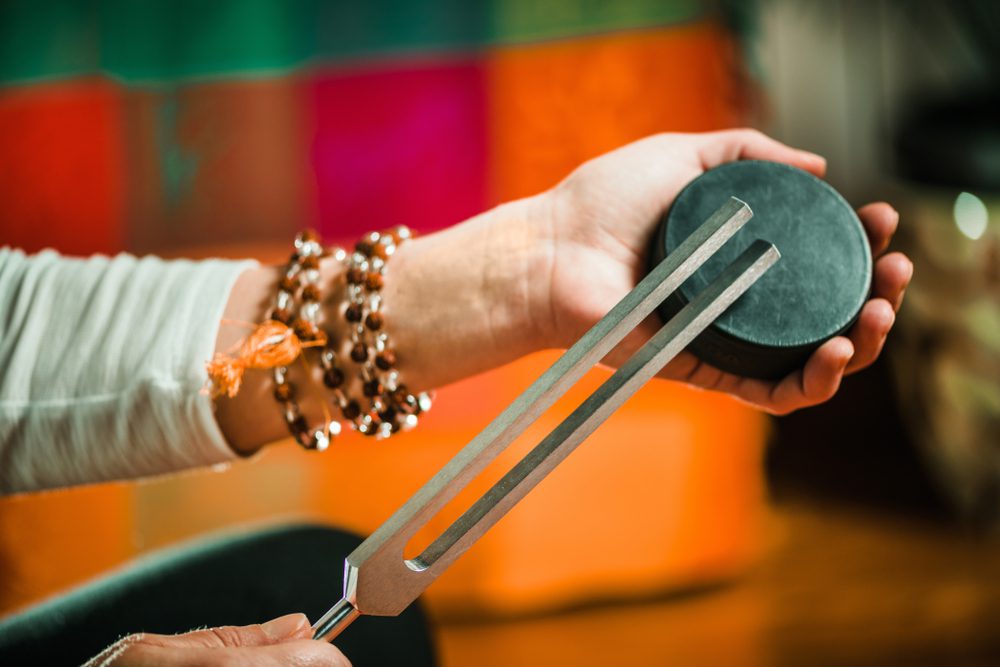
Have you wondered what sound therapy is and if it is just a new fad?
When it comes to sound therapy, you may have heard about it, but not in the way you expect. A lot of us are looking for ways in which we can relieve stress, improve our capacity for focusing, and even just our capacity for a good night’s sleep. There are many ways in which we have thought about how we can achieve this, but a lot of the time it can be very complicated. But what if it was as simple as putting on a pair of headphones and listening to some specific sounds?
A lot of parents are excited about white noise machines for their children, and even people who have trouble falling asleep have turned to these machines. So what if the other types of colored sounds (brown, blue, pink, and even green) turn out to be more useful than we thought?
These different sounds are also known to be a type of sound therapy, and a lot of people just classify them as pleasant background noises. However, since our brains are quick to tune in and out of them, and since they have a positive influence on us, classifying them can be more complicated than just that!
And given the long history of using these types of sounds in order to self-soothe, added to the research done on the topic, you will be pleasantly surprised by sound therapy! Are you ready to delve deep into the topic and discover sound therapy?
Have you ever used sound therapy? Would you be open to giving it a shot? Any answers and experiences you want to share with us, leave them in the comments below!
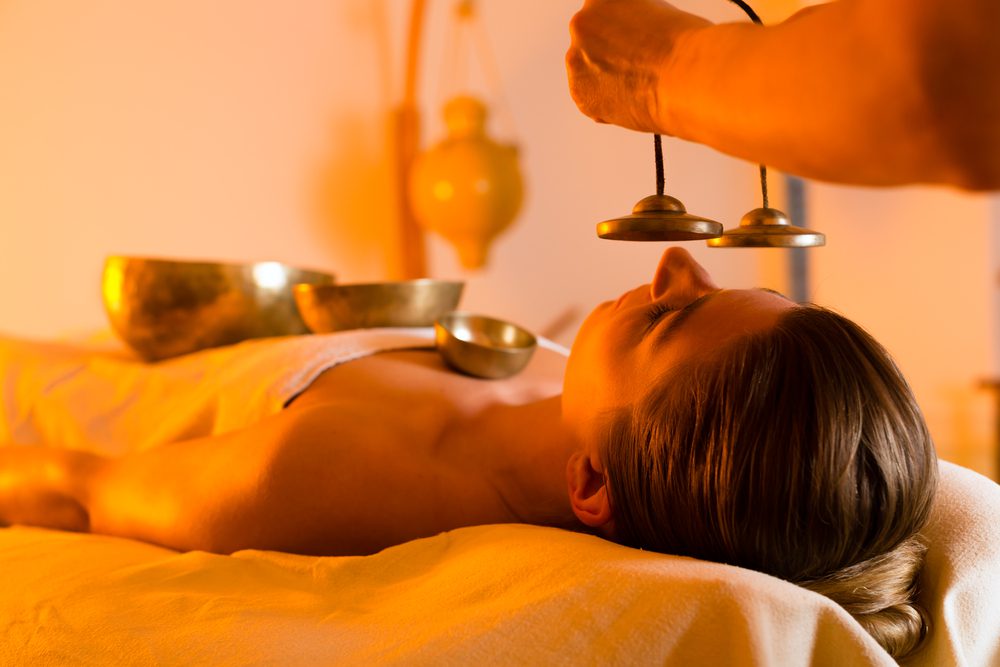
Pink noise
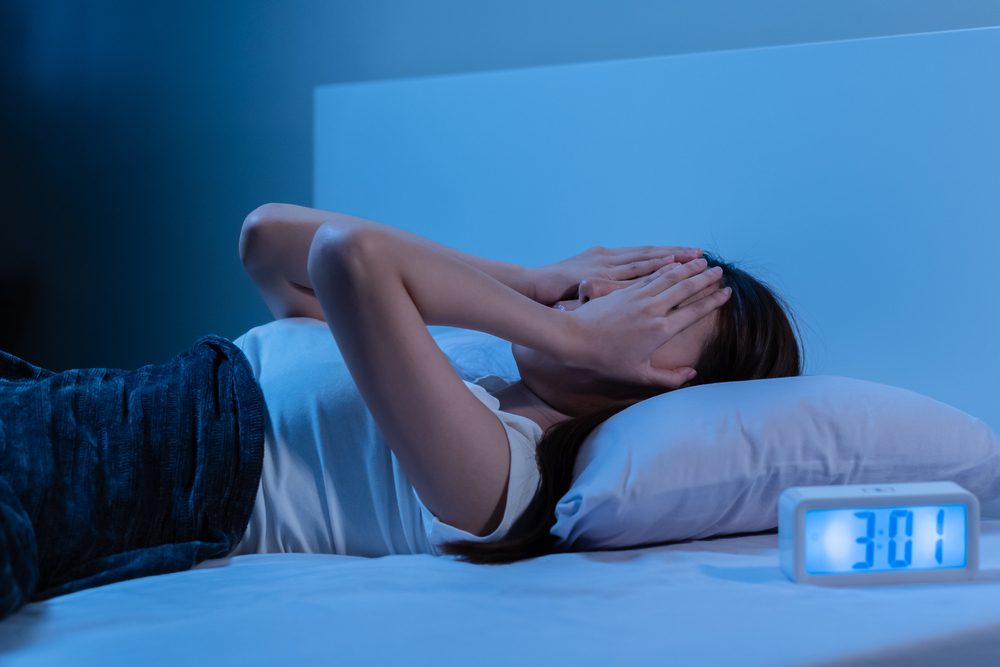
You may have heard that the best way to make use of sound therapy is to use a white noise machine. Despite this, the sound color that you need if you suffer from insomnia is not white, but rather pink!
Pink noise is working with lower frequencies than white noise (more on it later) and less of a hissing quality. A lot of people who make use of this type of noise end up comparing it with the sound of rainfall, along with the ever-present static quality of these sounds.
The pink noise is louder than its most popular noise cousin, but this may be the key to why it can help people relax and fall asleep faster. Some of the research made around pink noise has shown that people’s brain waves have slowed down gradually the longer they hear the sound, thus managing to stabilize their sleep and get the rest they need.
Next time you find yourself not being able to fall asleep, give pink noise a chance and keep an open mind.
White noise
This one is probably the most common sound found in sound therapy, as it is the most widespread despite not everyone knowing what it entails. When it comes to white noise, we mean all the frequencies (20 Hz–20 kHz) that our ears can hear that are played all together simultaneously at the same volume.
These frequencies can end up creating a background sound that can help you focus, and some people may even end up finding it soothing, but for some, the sound can end up being grating. This is because our inner year (also known as the cochlea) ends up perceiving the high-pitched sounds as louder, making the white noise hissier. You may think that you have not heard this type of sound before, but you have encountered it in the static sound that old TVs played between channels as well as when catching an empty radio station.
White noise is the one sound that has the most studies done on it (while other colored sounds lack clinical studies), and there is a good chance that the sound can help people who have ADHD when it comes to learning, reducing avoidant behavior when it comes to tasks and even writing and reading speed.
Despite this, it is not a proven solution. Still, if you find yourself having problems with focus due to external stimuli (other sounds) or even internal ones (your nagging thoughts), putting on a white noise track at a decent volume may help you tune out all distractions and help you focus on the task at hand.
If white noise sounds like something you would like to experience yourself, there are a lot of machines that make this kind of noise that you can listen to to block out other sounds. This white noise machine from Amazon is our favorite if you want to try it out!

Brown noise
If you are finding the white noise too grating, then another type of sound therapy that you could try out includes brown noise. Brown noise gets its name from Brownian motion. The idea behind it is that the frequencies of the sounds that make it up are lower, making it less metallic-sounding and thus managing to bring about some more calm.
There are not a lot of tests that have been made on brown noise, but the theories around it seem to be working for several people. Since the sound is not as high-pitched, it is believed that people are more likely to stick around to use it, and its main focus is to help you find some peace and quiet.
Chances are that if you are interested in sound therapy, you have been browsing through a number of tracks, and you may have skipped a few white noise ones but stuck around for the brown noise ones. The lower frequencies that make this sound up are thought to stimulate the brain more, since the softer and calmer sounds are more pleasant, despite still being static.
While there are no clinical trials that back up these theories around brown noise, it can be used as a masking effect, as it can be used to mask or cover some unwanted sounds in your vicinity. If you find yourself bothered by the sounds around you, try out some brown noise to cover it up instead of going straight to ambient music.
Green noise
Have you been trying to focus and learn something new lately and found it difficult? Then you should give the green noise a try! This type of noise in sound therapy is known to be in the middle of the sound spectrum, despite being related to white noise, like all sounds are.
Since it is found at a middle-intensity frequency, a lot of the people who have used it describe it as being similar to a waterfall or other natural sounds you may find outdoors, with a pleasant one and less hissing than the white noise used for focusing.
Green noise may be the best choice for you if you have tried to use the white one in order to focus on your work or when you study and found yourself too bothered by the hissing frequencies.
Blue noise: and why avoiding it is good
Any good sound therapy machine is not going to have this type of sound, but a lot of people who are just starting out with sound therapy are confused as to why. Blue noise is found at the opposite end of brown noise, meaning it is really loud, and the frequencies make it sound like a hissing running water sound.
This type of sound, as opposed to the ones we have mentioned before, is not soothing, and it may actually serve a purpose in making you feel angry.
T The studies done on blue sound have shown that it may have some influence on the gut, along with its influence on the brain. Most participants find it grating and annoying, so it is good to skip anything that may resemble this type of sound.
Sound therapy may be a great way to help you get through some rough times. However, it would be best if you never underestimate the effects of stress on both your body and your mind. Make sure you read all about how you are affected by stress here!






Leave a Reply