Psychology Diary

The First Step Toward Change Is Awareness

  • Home
  • Relationships
  • Mental Health
  • Expert Tips
  • Life
  • Family
  • Marriage

How to Set Healthy Boundaries with Your Adult Children

August 31, 2025 · Family

People doing yoga in community center

What Are Healthy Boundaries, Really?

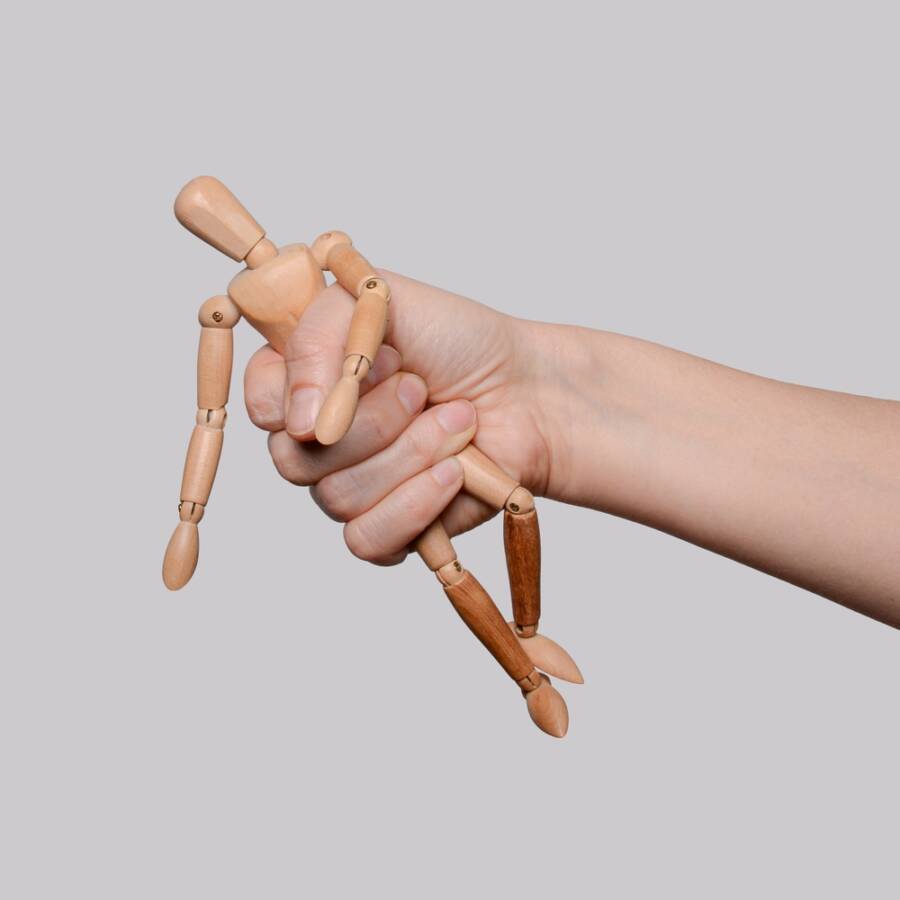
Before we can begin setting boundaries, it’s crucial to understand what they are—and what they are not. The word “boundary” can sound harsh, like a wall you build to keep people out. In the context of family relationships, it’s more helpful to think of a boundary as a property line. It’s a clear marker that shows where you end and another person begins. It defines what you are responsible for and what you are not.

A boundary is a limit you set for yourself to protect your well-being. It’s a rule about your own behavior. For example, “I will not lend money that I cannot afford to lose,” or “I will not participate in conversations where people are yelling.” Notice that these statements are about what you will or will not do.

This is different from control. Control is an attempt to change another person’s behavior. For example, “You must stop asking me for money,” or “You cannot raise your voice at me.” While the desire is understandable, trying to dictate another adult’s actions often leads to power struggles and resentment. Healthy boundaries focus on the only person you can truly manage: yourself.

Think of it this way:

Control says: “You need to call me every Sunday.”

A boundary says: “I am available to talk for 20 minutes on Sunday afternoons. If I don’t hear from you, I’ll assume you’re busy and will try again next week.”

The first creates an obligation for your child; the second states your availability and how you will manage your own expectations. This subtle but powerful shift is the foundation of setting boundaries that stick.


Pages: 1 2 3 4 5 6 7 8 9 10

Share this article

Facebook Twitter Pinterest LinkedIn Email

Leave a Reply Cancel reply

Your email address will not be published. Required fields are marked *

Search

Latest Posts

  • A mixed-media collage of a fragmented silhouette head with an anchor being cut, symbolizing the loss of one's grip on reality. 10 Signs Someone Is Trying to Distort Your Reality
  • A mixed media collage of a beautiful white flower with hidden barbed wire roots and thorny stems on a textured vintage paper background. 8 Behaviors That Reveal Hidden Toxicity
  • A candid photo of a couple in a dim living room, showing a sense of emotional distance and unspoken tension. 10 Traits That May Reveal Covert Narcissism
  • A couple sits on a sofa in a dimly lit room, one person looking at a phone while the other looks away, capturing a moment of secrecy. 8 Signs Someone May Be Hiding More Than They Admit
  • An ink and watercolor illustration of a human head cracking like stone, with golden light leaking through the fissures. 11 Small Clues That Can Expose a Lie
  • An abstract editorial illustration of a silhouette with a tangled nest of lines inside its head, symbolizing mental confusion. 8 Warning Signs Someone May Be Playing Mind Games
  • A mixed media collage of a silhouette filled with torn paper and translucent layers, symbolizing the invisible nature of emotional neglect. 10 Traits of People Emotionally Neglected as Kids
  • A mixed-media collage showing a rigid, golden silhouette with cracks revealing a soft, watercolor interior, representing performative armor. 7 Behaviors People Mistake For Confidence But Aren’t
  • A woman sits alone at a kitchen table in dim evening light while her partner stands in the background, illustrating emotional distance. 9 Psychological Reasons Why People Stay in Unhappy Relationships
  • An illustration of a person using a prism to turn a chaotic blue wave into a clear spectrum of distinct colors. 10 Signs You Have Exceptionally High Emotional Intelligence

Newsletter

Get the latest posts delivered to your inbox.

Related Articles

daughter

What Your Daughter-in-Law Wants You to Know

When you’re saying ‘YES’ to the big question, you’re not only saying it to your…

Read More →
Toxic In-Law

6 Tips On Dealing With Toxic in-Laws This Easter

Learn To Set Boundaries One of the most practical ways of dealing with toxic in-laws…

Read More →
stay connected with your grandkids

The 6 Best Activities to Stay Connected with Your Grandkids

1. Painting This is a simple one, and most kids will definitely love it. Many…

Read More →
Emotional Scar

10 Shocking Emotional Scars Left by Unloving Mothers Through Adulthood

Is it possible that your mother left you with emotional scars that have poured over…

Read More →
narcissistic

9 Signs You Were Raised by Narcissistic Parents

It’s incredibly challenging to grow up with narcissistic parents. They can show up as neglectful,…

Read More →
child

10 Signs Your Child Is a Brat and How to Deal With It

As parents, we tend to neglect our children’s bratty behavior because they can be so…

Read More →
tell your adult children

What Are the 7 Things You Should NEVER Tell Your Adult Children?

Have you ever wondered what are the things you should never tell your adult children?…

Read More →

60 Things Grandparents Should Never Do

Grandparents can be a lifesaver. They can improve discipline strategies, give wise advice to new…

Read More →
Signs Of A Toxic Daughter In Law1

11 Signs of a Toxic Daughter-in-Law and How to Deal With Her

Signs of a Toxic Daughter-in-Law Navigating the intricate dynamics within a family can be tough,…

Read More →

Psychology Diary

The First Step Toward Change Is Awareness

Inedit Agency S.R.L.
Bucharest, Romania

contact@psychologydiary.com

Explore

  • About Us
  • Advertiser Disclosure
  • Contact Us
  • Disclaimer
  • Do not sell my personal information
  • Editorial Policy
  • Frequently Asked Questions
  • Privacy Policy
  • Terms and Conditions
  • Subscribe
  • Unsubscribe

Categories

  • Expert Tips
  • Family
  • Life
  • Marriage
  • Mental Health

© 2026 Psychology Diary. All rights reserved.