

Practical Self-Care Strategies: How to Treat the Winter Blues at Home
While professional treatment is often necessary for managing SAD, there are several powerful lifestyle and self-care strategies that can provide significant support. These are not a replacement for medical advice, but they can be integrated into your daily life to help manage symptoms and improve your overall well-being. The key is to start small and be consistent.
Strategy 1: Maximize Your Light Exposure
Since a lack of sunlight is a primary trigger for SAD, intentionally increasing your light exposure is one of the most effective strategies. Light helps to reset your body’s internal clock and can boost mood-regulating brain chemicals.
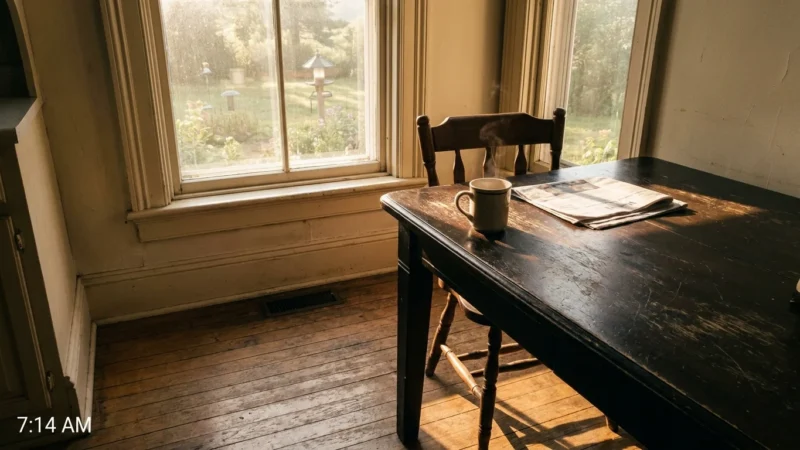
Get Morning Light: Try to get outside for at least 15 to 30 minutes within the first hour of waking up. The photoreceptors in your eyes that regulate your circadian rhythm are most sensitive to morning light. Even on a cloudy day, the natural light outdoors is far more powerful than indoor lighting. Sit on a porch with your morning coffee, or take a brief walk around the block.
Brighten Your Indoor Environment: Open all your curtains and blinds as soon as you wake up. Trim any tree branches or shrubs that might be blocking light from your windows. When you are indoors, try to spend time in the brightest room in your house. Position your favorite chair for reading or doing puzzles near a window.
Consider Light Therapy (with a Doctor’s Guidance): Light therapy, using a special light box, is a cornerstone of treatment for SAD. These boxes provide a specific intensity of light (typically 10,000 lux) that mimics natural sunlight. Using it for about 20-30 minutes each morning can be very effective. However, it is essential to consult with a doctor before starting light therapy. They can recommend the right type of device, ensure it is safe for you (it can be risky for people with certain eye conditions or bipolar disorder), and guide you on the proper duration and timing.
Strategy 2: Create a Consistent Daily Rhythm
A predictable daily routine can be incredibly grounding when your mood and energy feel unstable. Consistency helps to stabilize your circadian rhythm, which can improve both sleep and mood.
Anchor Your Sleep Schedule: Try to go to bed and wake up at roughly the same time every day, even on weekends. This is one of the most powerful things you can do for your internal clock. Avoid long naps, especially in the late afternoon, as they can interfere with nighttime sleep. Create a relaxing wind-down routine in the hour before bed. This could include dimming the lights, listening to calming music, taking a warm bath, or reading a physical book. Avoid stimulating activities like watching the news or scrolling on a phone or tablet right before sleep, as the blue light from screens can suppress melatonin production.
Regular Meal Times: Eating your meals at consistent times each day also provides cues to your body’s clock, helping to regulate your energy and digestion. Don’t skip meals, as this can lead to low blood sugar and worsen your mood and fatigue.
Strategy 3: Gentle Movement and Activity
When you are feeling fatigued and unmotivated, exercise can feel like the last thing you want to do. However, physical activity is a potent mood booster. The goal is not to run a marathon but to incorporate gentle, consistent movement into your day.
Start Small and Be Realistic: If you are mostly sedentary, start with just 5 or 10 minutes of movement. This could be gentle stretching in your chair, walking back and forth in your living room during TV commercials, or using light hand weights while seated. Many excellent senior-focused exercise videos are available for free online or on public television. The key is to find something you can do safely and consistently.
A Mini-Example of Behavioral Activation:
The Feeling: “I have zero energy. I just want to stay in my chair all day.”
The Goal: To break the cycle of inertia.
The Plan: “At 2:00 PM, I will stand up and walk to the kitchen to get a glass of water. Then I will walk back.”
The Follow-up: After you do it, notice how you feel. Maybe you don’t feel fantastic, but you might feel a tiny sense of accomplishment. That is a win. The next day, you might try walking to the mailbox. Action can come before motivation.
Strategy 4: Stay Connected with Others
Social connection is a fundamental human need and a powerful antidote to depression. Even when it feels like an effort, maintaining connections can provide a vital sense of belonging and support.
Schedule Your Connections: Don’t wait until you feel like reaching out. Put it on your calendar like an appointment. Plan a weekly phone call with a family member, a bi-weekly video chat with a grandchild, or a monthly coffee date with a friend. Having it scheduled makes it more likely to happen.
Look for Low-Energy Social Options: If leaving the house feels overwhelming, explore other options. Could you invite a friend over for a cup of tea? Join an online book club or a virtual class offered by your local library or senior center? Even small, brief interactions can make a big difference in combating loneliness.








Leave a Reply