
Being a politician and winning an election isn’t meant for everyone. To gain the trust and votes of numerous individuals, you may need specific strategies to craft your political image and shape the perceptions of your audience. Correctly applying these strategies and tactics can trigger the desired emotional responses and impact the decisions people make.
Depending on their goals, politicians, like chess players, often employ various manipulation tactics to engage with and connect to the public. Although these strategies can sometimes be subtle, they genuinely shape how we perceive issues, candidates, and policies in meaningful ways.
Political speeches use various techniques designed to sway listeners. These manipulative strategies are commonly employed in all electoral speeches, enabling politicians to achieve their objectives, whether it’s securing election victories or persuading audiences to align with their views.
Consider this: the more politicians can persuade citizens to selflessly back the nation and its government, the greater their power and legitimacy. Since politics is ultimately a game of influencing and persuasion, it should be no surprise that all politicians have teams and experts that help them shape the narrative in their favour.
This doesn’t mean that all politicians are bad. However, as we’ve seen, some can harm not only their fellow politicians, which is to be expected, but also the citizens. Together, let’s explore the main manipulation tactics used by most politicians. Which one do you believe undermines the democratic process and erodes trust in political institutions the most?
1. Emotional Appeal
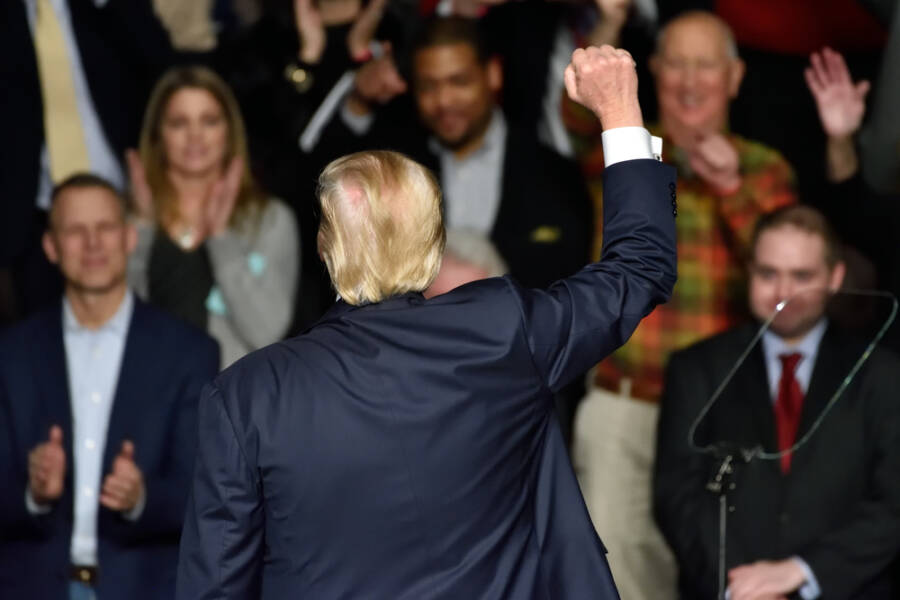
By genuinely connecting with emotions such as fear, hope, or anger, candidates can create a meaningful bond with their audience. For instance, they might share touching stories or visuals that evoke empathy, making complex issues feel more relatable and urgent. This approach usually outweighs factual arguments because emotions tend to spark quicker and more genuine reactions.
Politicians may also draw on national tragedies or social injustices to evoke public sentiment, positioning themselves as compassionate leaders. By aligning their messages with the emotional journeys of voters, politicians aim to cultivate loyalty and rally support for their campaigns.
2. Misleading Statistics
Candidates can create exaggerated narratives about their successes or minimize their weaknesses by presenting data in a selective or out-of-context manner. For instance, a politician may emphasize a significant decrease in crime percentage without referencing the overall increase in crime rates or adjustments in reporting methods. This selective presentation of information can generate misleading perceptions, causing voters to make inaccurate assumptions.
Politicians frequently share complex statistics that can leave the public feeling confused, or they rely on studies that might not be very trustworthy. By twisting the data, they try to build a false sense of credibility and shape public opinion, ultimately impacting on election outcomes.
3. Ad Hominem Attacks
Rather than confronting the real issues or policies, candidates frequently engage in personal attacks targeting their opponent’s character, background, or credibility. Politicians seek to undermine their rivals to shift focus away from their own deficiencies and portray themselves in a better light.
This strategy has the potential to evoke strong emotions among voters, fostering loyalty and reinforcing existing biases. While ad hominem tactics might resonate with supporters, they can detract from constructive political discussions, as they prioritize personal vendettas over vital conversations about policies and solutions.
4. Fear-Mongering
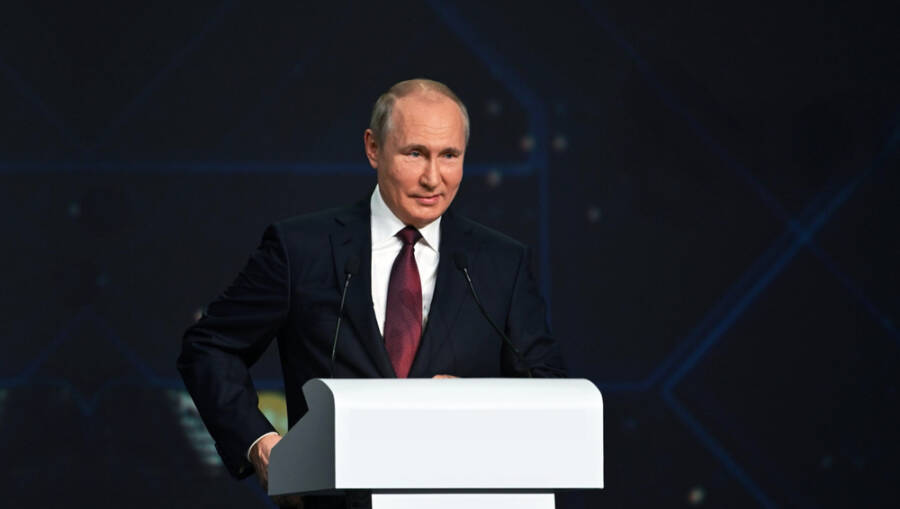
Fear-mongering is a tactic used by some politicians to connect with voters by tapping into their anxieties and concerns. By highlighting issues like crime rates, economic uncertainty, or national security threats, they create a sense of urgency that drives voters to seek out safety and solutions. This approach often relies on vivid imagery or emotionally charged language, which can stir strong feelings and encourage individuals to support candidates who promise security and stability.
While it can be an effective way to rally support, fear-mongering can also skew public perception and create divisions among people. Ultimately, this tactic emphasizes emotional reactions over thoughtful discussions, which can weaken the foundation of informed decision-making during elections.
5. Bandwagon Effect
The bandwagon effect is a well-known strategy that politicians use to build trust with voters by creating the impression of broad support for their campaign or policies. By highlighting endorsements from well-liked figures or showing off large crowds at rallies, candidates encourage voters to connect with what seems like the majority. This approach taps into social pressures, making individuals feel they should back a candidate to avoid feeling left out or unpopular.
Politicians often say things like “everyone is supporting this” to boost this impression. While this tactic can be quite effective in winning over undecided voters, the bandwagon effect also leads to a lack of critical thinking, as some people may choose to support a candidate based on popularity rather than well-informed opinions or personal values.
6. False Dilemmas
False dilemmas are a common tactic politicians use to simplify complex issues and gain the trust of voters. By framing situations as simple binary choices—”you’re either with us or against us”—candidates create the impression of limited options. This can pressure constituents into making quick decisions without truly considering the nuances involved.
Unfortunately, this approach can polarize public opinion and hinder meaningful discussions, as it often discourages the exploration of different viewpoints or solutions. Politicians frequently rely on false dilemmas to garner support by presenting their positions as the only sensible choice, ultimately appealing more to voters’ emotions than encouraging thoughtful analysis. This oversimplification can lead to misunderstandings and a distorted view of the political landscape.
7. Cherry-Picking Quotes
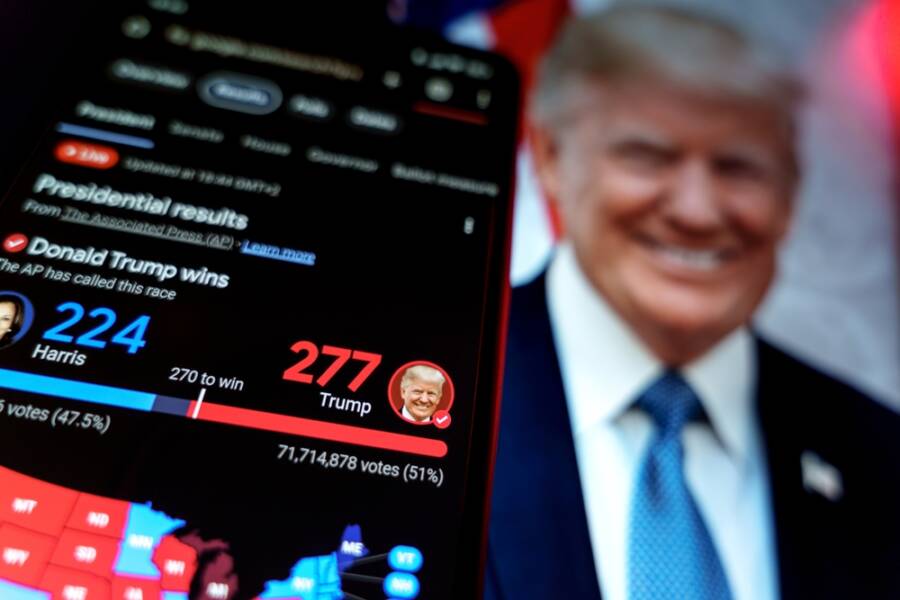
Using cherry-picked quotes is a tactic often employed by politicians to build trust with voters by selectively showcasing statements that lack context. By emphasizing certain phrases or excerpts that align with their agenda while disregarding the complete context, candidates can alter the original intent and misrepresent their adversaries’ viewpoints. This method can create a skewed narrative, suggesting that an opponent holds extreme or contradictory stances.
Politicians frequently adopt this strategy in speeches, ads, or debates to influence public perception and bolster their arguments. Although it can effectively rally support, the practice of cherry-picking quotes compromises genuine discourse, fostering division and confusion instead of encouraging informed decision-making among voters.
8. Social Proof
Social proof is a tactic often used by politicians to build trust with voters by utilizing the influence of perceived consensus. This psychological concept indicates that people are more inclined to adopt beliefs or behaviors that are supported by others, particularly those they respect or view as authorities. To foster a sense of validation for their candidacy or policies, politicians frequently highlight endorsements from celebrities, community figures, and influential organizations.
By emphasizing public backing through polls or testimonials, they seek to convince undecided voters that supporting them is the socially acceptable option. Although social proof can effectively rally support, it may also encourage conformity, which can suppress critical thinking and informed decision-making during elections.
These strategies frequently emphasize emotional appeal instead of rational discussion, leading to polarized atmospheres that can skew perceptions of candidates and issues. As voters, it is essential to stay alert and critically evaluate the information provided to us, promoting a more informed electorate that prioritizes transparency and integrity in political dialogue. By identifying these tactics, we can make better-informed choices and support a healthier democratic system.
If you want to learn more about manipulation tactics, we suggest exploring The Dark Psychology Playbook by Roger Glenwood. This book is the ideal guide for gaining a deeper understanding of the human mind while mastering the techniques of manipulation, influence, and persuasion.
Did you find this helpful? Continue reading Watch Out: 5 Bipolar Disorder Signs.








Leave a Reply