

Covert narcissism hides behind a veil of introversion, vulnerability, and victimhood, making it incredibly difficult to spot until you are deeply entangled in the relationship. Unlike the loud, grandiose traits often portrayed in media, this hidden subtype operates quietly. You might notice an undercurrent of passive-aggression, a constant need for reassurance, or a subtle but persistent dismissal of your feelings. Because covert narcissists mask their deep insecurity and entitlement with self-deprecation or shyness, you may find yourself constantly apologizing and questioning your own reality. Recognizing these elusive behaviors is the first step toward reclaiming your emotional balance and setting boundaries that protect your mental well-being.
What Makes Covert Narcissism Different?
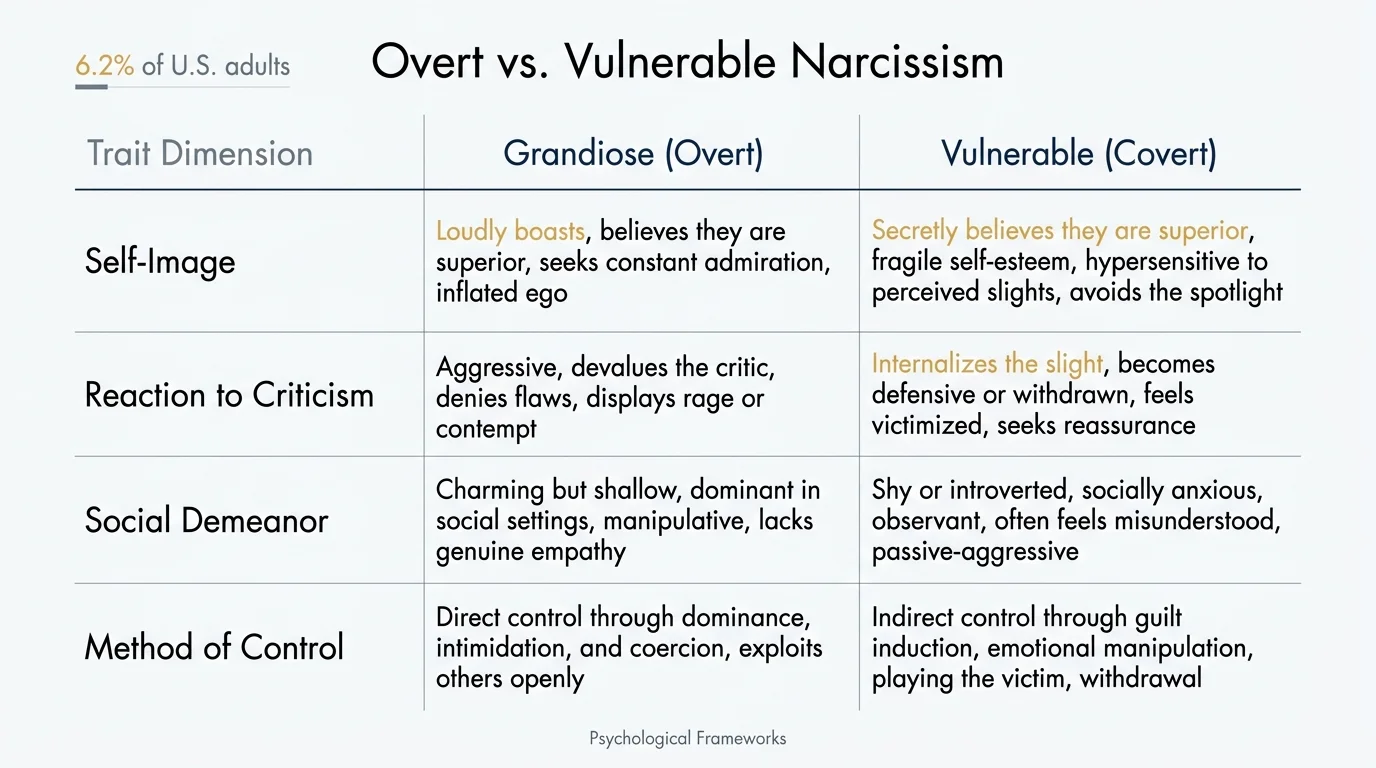
When most people hear the word “narcissist,” they picture someone who dominates conversations, brags endlessly, and demands the spotlight. That is the grandiose—or overt—subtype of Narcissistic Personality Disorder (NPD). Covert narcissism, frequently referred to in clinical literature as vulnerable narcissism, shares the same core characteristics of entitlement, grandiosity, and a profound lack of empathy. However, the presentation is entirely flipped according to current psychological frameworks.
While researchers estimate that approximately 6.2% of U.S. adults will meet the criteria for NPD at some point in their lives, experts note that vulnerable narcissism remains vastly underreported. Because covert narcissists are often highly sensitive, anxious, and socially withdrawn, they fly under the radar of traditional diagnostic observation. They crave admiration just as much as their grandiose counterparts, but they lack the bravado to seek it directly. Instead, they attempt to extract validation through emotional manipulation, playing the victim, and leveraging guilt.
“When I look at narcissism through the vulnerability lens, I see the shame-based fear of being ordinary. I see the fear of never feeling extraordinary enough to be noticed.” — Brené Brown, Ph.D.
To better understand the distinction, it helps to see the two subtypes side by side:
| Trait Dimension | Grandiose (Overt) Narcissism | Vulnerable (Covert) Narcissism |
|---|---|---|
| Self-Image | Loudly boasts about achievements; visibly arrogant. | Secretly believes they are superior but outwardly acts self-deprecating. |
| Reaction to Criticism | Responds with overt rage, aggression, or immediate dismissal. | Internalizes the slight, acts deeply wounded, and holds long-term grudges. |
| Social Demeanor | Extroverted, charming, and dominant in group settings. | Introverted, socially anxious, and observant from the sidelines. |
| Method of Control | Direct demands, intimidation, and overt exploitation. | Guilt-tripping, playing the victim, and passive-aggressive behavior. |
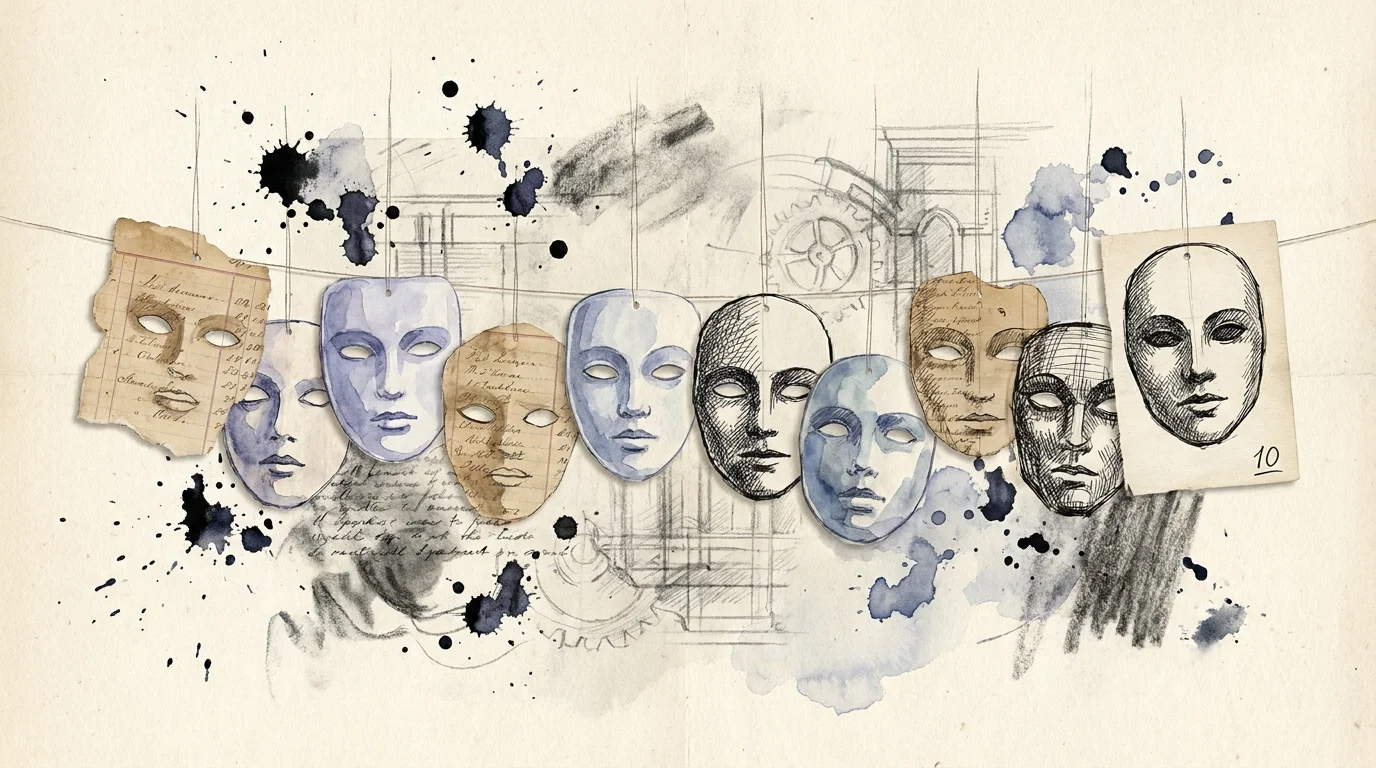
10 Traits That May Reveal Covert Narcissism
If you suspect someone in your life may be a covert narcissist, looking for grandiosity will lead you in the wrong direction. Instead, pay attention to the subtle, enduring patterns of how they manage their insecurities and treat others. Here are ten traits to watch for.
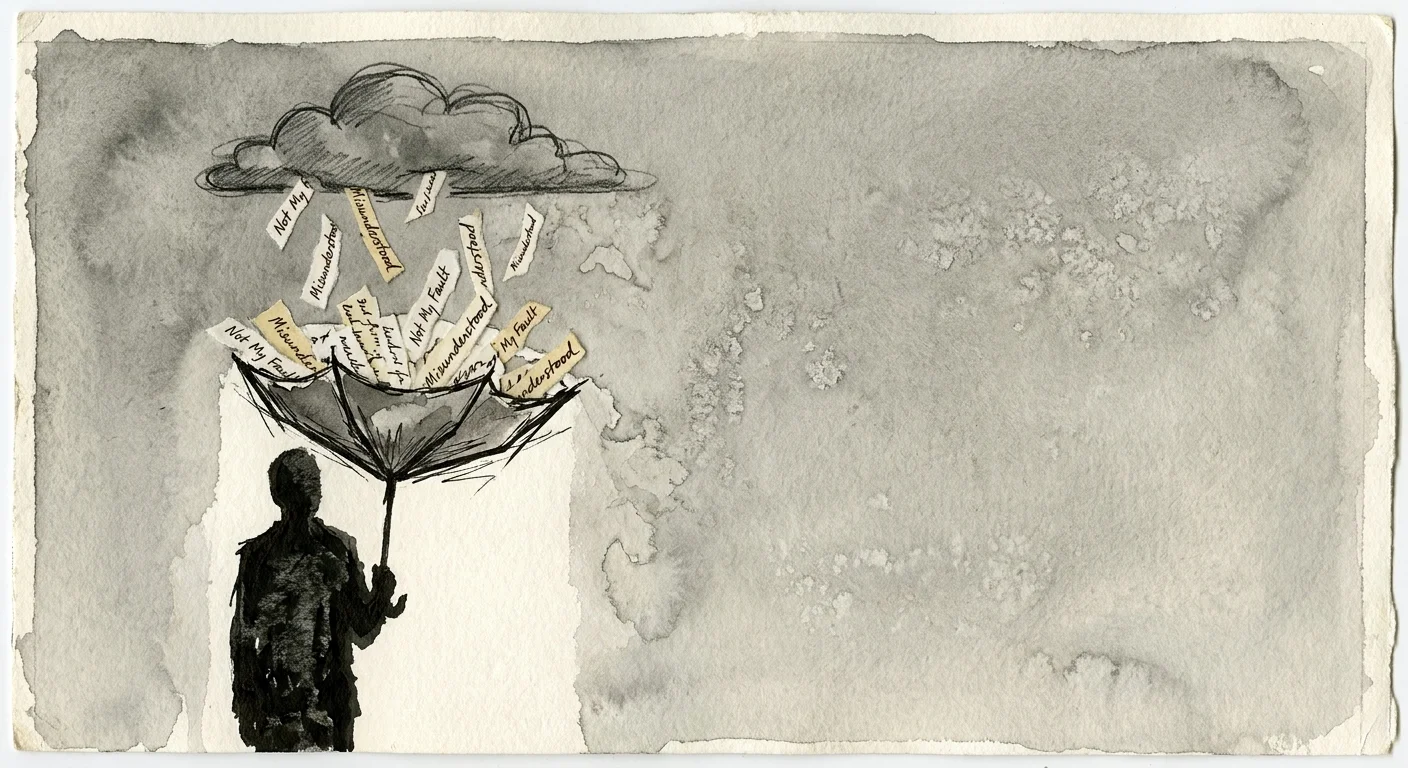
1. Chronic Victim Mentality
A covert narcissist rarely takes responsibility for their failures or interpersonal conflicts. Instead, they construct a persistent narrative where they are perpetually misunderstood, mistreated, or undermined by the world. If they lose a job, it was because the boss was intimidated by their quiet genius. If a friendship ends, it is because the friend was terribly flawed. By positioning themselves as the victim, they successfully deflect accountability while simultaneously drawing out your empathy and caretaking instincts.

2. Passive-Aggressive Hostility
Because covert narcissists are deeply concerned with their outward image, they rarely engage in direct confrontation. They express their anger and entitlement through passive-aggressive tactics. A recent study published in the Journal of Psychology found that individuals with high levels of vulnerable narcissism frequently retaliate against perceived social exclusion by indirectly provoking and sabotaging their peers. You will experience this as backhanded compliments, “accidental” mistakes that ruin your plans, weaponized incompetence, or heavy sighs and eye rolls when you express a need.

3. Hypersensitivity to Perceived Slights
All humans feel a sting when criticized, but a covert narcissist experiences feedback as a catastrophic attack on their fragile self-esteem. Their hypersensitivity is so acute that you will likely feel as though you are walking on eggshells around them. Even a gently phrased suggestion—such as asking them to load the dishwasher differently—can trigger a days-long sulk or a disproportionate emotional collapse. They interpret neutral comments as personal attacks, forcing you to constantly soothe and reassure them.

4. Quiet Smugness and Superiority
Though they do not boast loudly, covert narcissists possess a quiet, brooding arrogance. They often harbor the belief that they are fundamentally different from—and superior to—everyone else. This shows up in subtle ways. They might sit silently in the corner at a social gathering, later criticizing the “shallow” nature of everyone else’s conversation. They view their introversion not just as a personality trait, but as evidence of their profound depth and intellect compared to the rest of the world.
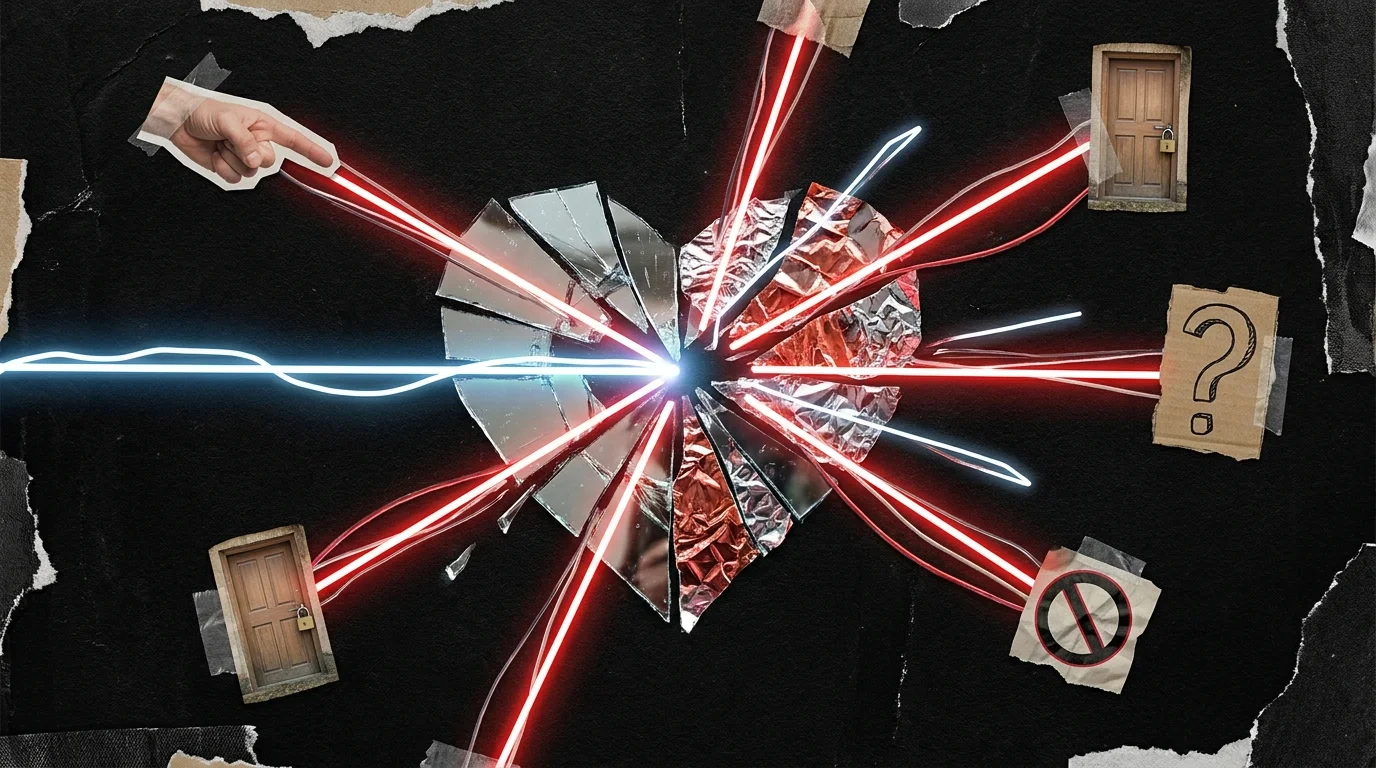
5. Extreme Defensive Deflection
When you bring up a valid concern about their behavior, a covert narcissist will masterfully flip the script. They use defensive deflection to ensure they are never the one in the wrong. If you say, “It hurt my feelings when you ignored me at the party,” they might respond with, “I guess I’m just a terrible partner who does everything wrong. I can’t believe you would attack me when you know how anxious crowds make me.” Suddenly, you find yourself comforting them, and your original boundary or hurt is entirely erased from the conversation.

6. Empathy Deficit Masked as “Burnout”
Like all forms of NPD, covert narcissism is defined by an inability to genuinely empathize with others. However, the covert narcissist often masks this deficit by claiming they are simply too sensitive, overwhelmed, or “burnt out” by the world’s cruelty. If you come to them with a personal crisis, they will quickly redirect the conversation back to their own exhaustion or stress. They simulate empathy when it serves their image, but consistently fail to show up for you emotionally when you need genuine support.
7. The Martyr Complex
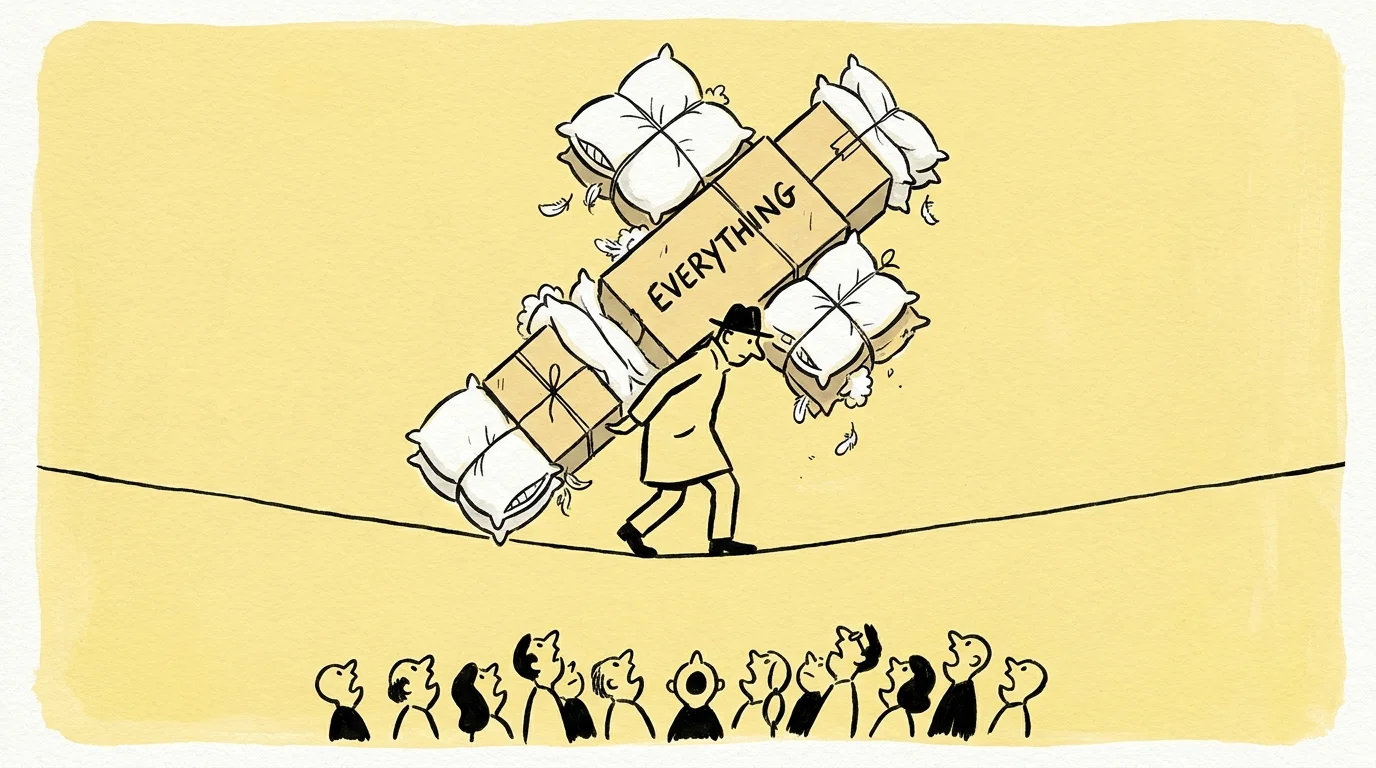
The covert narcissist thrives on the role of the long-suffering martyr. They will take on tasks they were not asked to do, only to bitterly complain about how much they sacrifice for everyone else. This trait allows them to secure a steady stream of validation. By framing their basic relationship contributions as monumental sacrifices, they create an emotional debt that you are expected to continually repay with gratitude and subservience.

8. Holding Prolonged Grudges
While a grandiose narcissist might explode in anger and quickly move on once their ego is restored, a covert narcissist stews in resentment. They keep a meticulous, silent ledger of every time they felt slighted, ignored, or underappreciated. They will bring up mistakes you made years ago as ammunition during entirely unrelated disagreements, using your past missteps to justify their current poor behavior.

9. Envy Disguised as Moral Righteousness
Covert narcissists are intensely envious of people who possess the success, relationships, or recognition they believe they rightfully deserve. However, because admitting envy would reveal their insecurity, they disguise it as moral superiority. If a colleague gets a promotion, the covert narcissist will claim they “would never want to be that ruthless” or that the company rewards superficiality. They tear down the accomplishments of others to protect their own fragile ego.

10. Withholding or Stonewalling as Punishment
Stonewalling—the act of completely withdrawing from a conversation and refusing to interact—is a common defense mechanism. Relationship researcher Dr. John Gottman notes that stonewalling is typically an involuntary biological response to emotional flooding. However, in a covert narcissistic dynamic, stonewalling is frequently used deliberately as a punitive tool. They will give you the silent treatment for days, denying you emotional connection until you break down, apologize, and restore their sense of power and control.
Patterns to Watch For
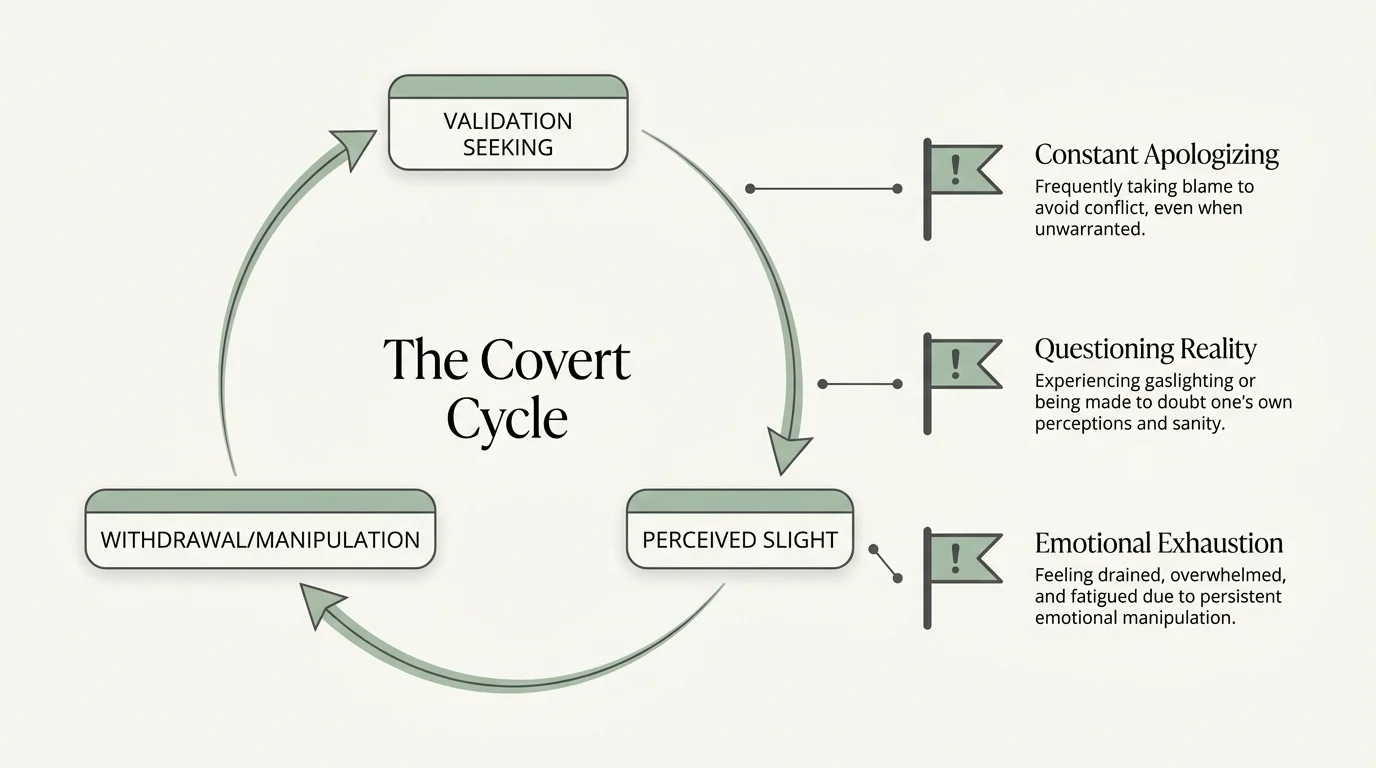
If you recognize several of these traits in someone close to you, it is vital to understand the psychological dynamics that keep people anchored to covert narcissists.
- The Empathy Trap: Highly empathetic people are often drawn to covert narcissists because the narcissist presents as a wounded bird. You step into the relationship believing that with enough love, patience, and understanding, you can heal their pain. The narcissist happily consumes your emotional resources but remains a bottomless well.
- The Boiling Frog Effect: Covert narcissistic abuse does not start overnight. It begins with subtle guilt trips and minor boundary crossings. Over time, you slowly adjust your behavior to avoid their silent treatments and hypersensitivity. Before you realize it, your entire life revolves around managing their fragile emotional state.
- Gaslighting by Omission: Because their aggression is quiet, you may struggle to articulate exactly what is wrong. When you try to explain their behavior to friends, it can sound trivial. This leads to profound self-doubt. You might convince yourself that you are just being too demanding or that the problems are all in your head.

When Self-Help Isn’t Enough
Navigating a relationship with a covert narcissist can erode your mental health. While setting boundaries and practicing assertive communication are good starting points, there are times when professional intervention is necessary. Consider seeking support from a licensed therapist if you experience any of the following:
Your mental health is declining. You feel chronically exhausted, anxious, or depressed. You may experience symptoms of trauma, such as hypervigilance or panic attacks when anticipating their reactions.
You have lost your sense of reality. You constantly second-guess your own memories, apologize for things you didn’t do, and feel like you are losing your mind. This is a clear sign that subtle gaslighting and manipulation have taken root.
You are isolating yourself. You have stopped seeing friends, family, or pursuing hobbies because it is easier than dealing with the narcissist’s passive-aggressive punishment or jealousy.
The behavior turns overtly abusive. If the emotional manipulation escalates into verbal abuse, financial control, threats, or any form of physical intimidation, your physical and emotional safety must take priority. Professional domestic abuse resources can help you safely navigate your exit.
Frequently Asked Questions
Is covert narcissism an official medical diagnosis?
The Diagnostic and Statistical Manual of Mental Disorders (DSM-5-TR) published by the American Psychological Association recognizes Narcissistic Personality Disorder (NPD) as a single diagnosis. It does not formally separate “covert” and “overt” narcissism into different clinical disorders. However, modern mental health professionals and researchers widely recognize vulnerable (covert) and grandiose (overt) narcissism as two distinct expressions of the same underlying condition.
Can a covert narcissist change their behavior?
Change is possible but historically challenging. Because the disorder is rooted in a profound lack of insight and an intense defensive structure against shame, individuals with NPD rarely seek treatment voluntarily. When they do, therapy (such as schema therapy or dialectical behavior therapy) can be effective over a long period. However, the motivation for change must come from within; you cannot love or logic them into healing.
How do I protect myself if I have to interact with one?
The most effective strategy is the “Gray Rock” method. This involves making yourself as emotionally uninteresting and unresponsive as possible. When they attempt to provoke you with a guilt trip or passive-aggressive comment, respond with neutral, non-committal phrases like “I see,” or “Okay.” Do not defend yourself, over-explain, or offer them the emotional reaction they are trying to extract. Maintain firm, clear boundaries and strictly limit the personal information you share with them.
Moving Forward With Clarity
Unmasking covert narcissism is a deeply validating experience. For a long time, you may have carried the blame for the dysfunction in your relationship, convinced that if you just tried harder or communicated better, things would improve. Recognizing these ten traits shifts the burden of responsibility back where it belongs. You are not responsible for fixing someone else’s deeply ingrained personality structure, nor are you required to sacrifice your emotional well-being to serve as their permanent emotional shield.
Your journey forward involves shifting the focus away from decoding their complex behavior and placing it back onto your own healing. Reconnect with your support system, practice trusting your intuition again, and focus on rebuilding the self-esteem that the relationship slowly chipped away.
The information in this article is meant for educational purposes and general guidance. It does not replace individual therapy, counseling, or medical treatment. If you or someone you know is in crisis, contact the 988 Suicide & Crisis Lifeline by calling or texting 988.
Last updated: May 2026. Psychology research evolves continuously—verify current findings with professional sources.








Leave a Reply