
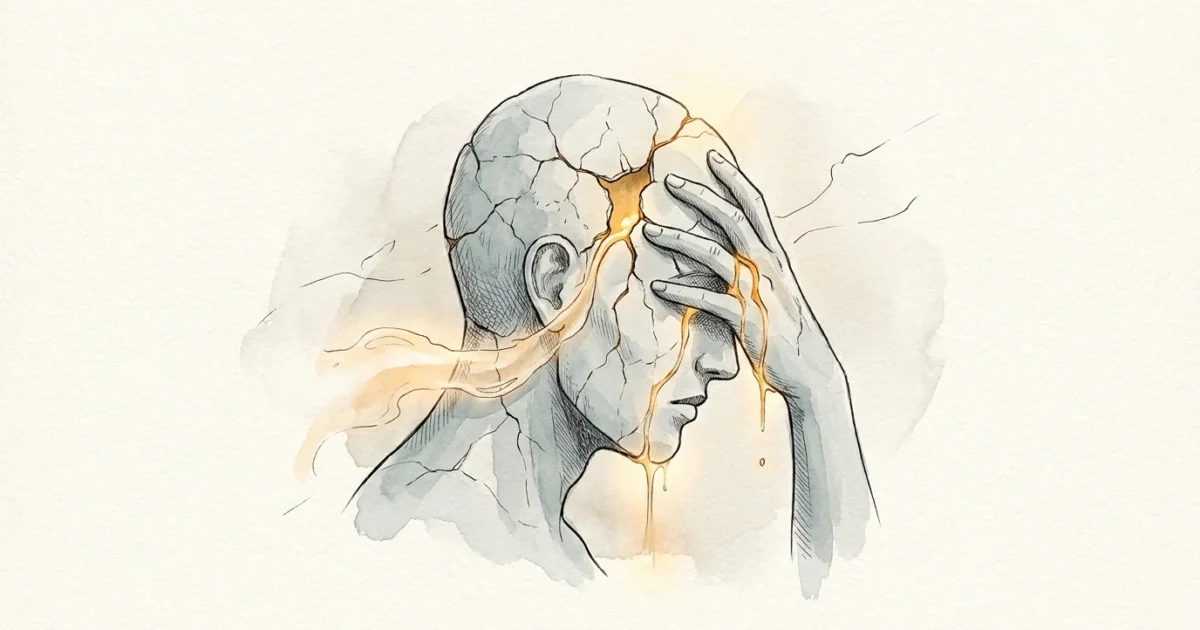
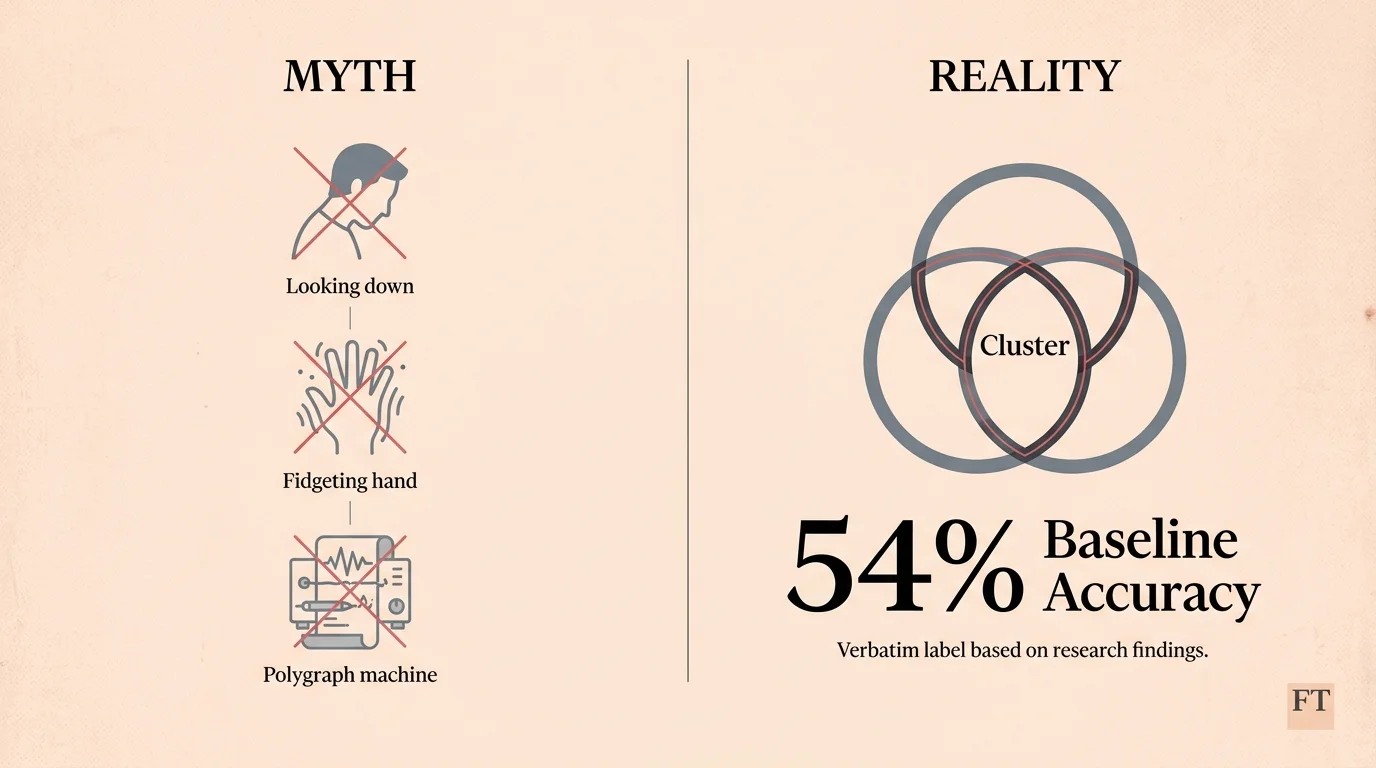
You suspect someone is hiding the truth, but their words sound perfectly convincing. By learning to recognize tiny, unconscious behavioral indicators, you can bypass the story they are trying to sell and spot the truth leaking through the cracks. The human brain is notoriously bad at spotting deception naturally; research shows our baseline accuracy is roughly 54 percent—only slightly better than a coin flip. While practiced liars can script their words, they cannot entirely control the physiological leaks that happen when the brain is forced to fabricate reality. Lying requires immense cognitive effort, and that invisible mental strain often surfaces in micro-expressions, speech patterns, and involuntary body language that expose deception before the person even finishes speaking.
The Cognitive Load of Deception
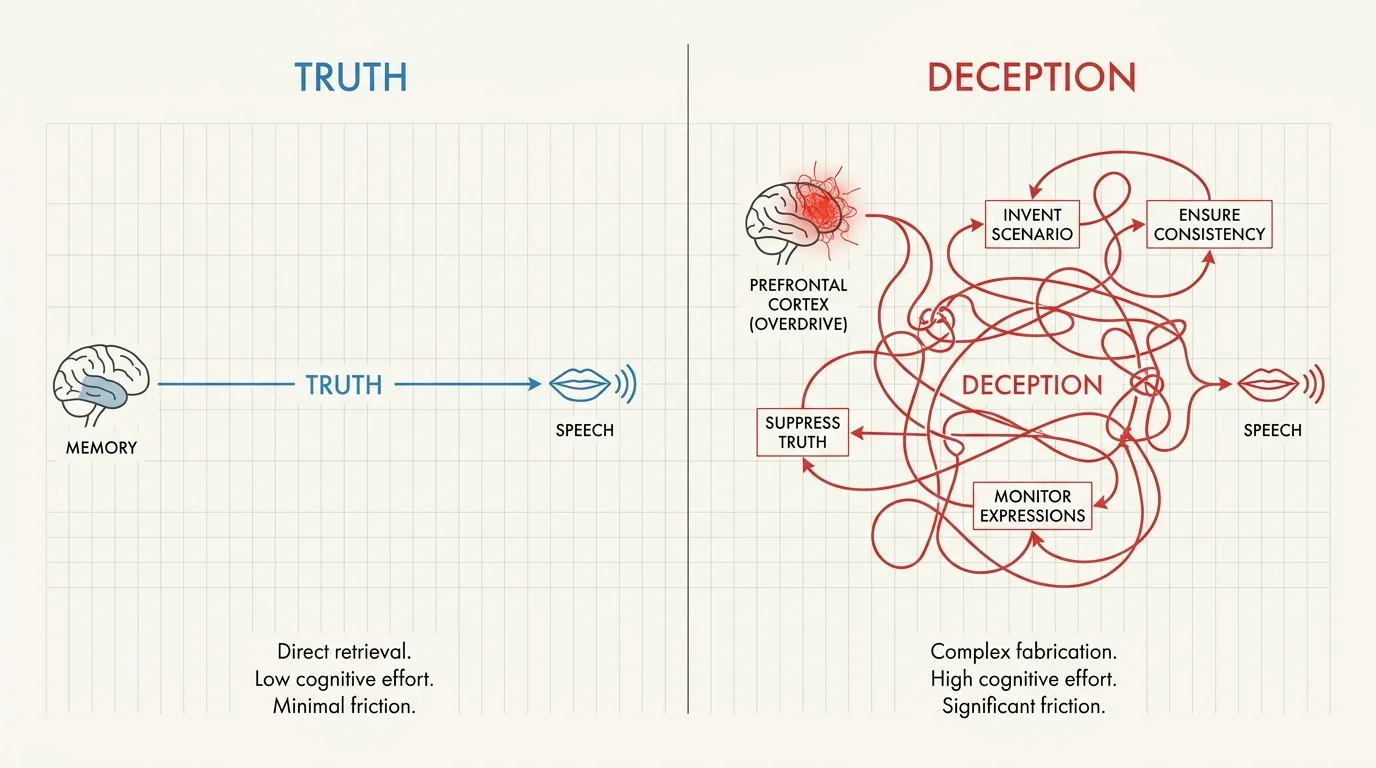
To understand how to spot a lie, you must first understand what happens inside the brain of the person telling it. Telling the truth is cognitively simple; you access a memory and report the facts as you experienced them. Deception, however, is an incredibly demanding mental task. The psychological framework for this is known as “cognitive load,” and it forms the foundation of modern behavioral analysis.
When someone constructs a lie, their prefrontal cortex shifts into overdrive. They have to invent a plausible scenario, ensure their fabrication does not contradict anything you already know, monitor your facial expressions to see if you are believing them, and simultaneously suppress the actual truth so they do not accidentally blurt it out. All of this mental juggling requires tremendous executive function. Because their brain is working so hard to maintain the storyline, it begins to drop the ball on other basic physical and verbal behaviors. According to research compiled by the American Psychological Association, investigators no longer look for a single “Pinocchio’s nose” tell; instead, they look for the behavioral friction caused by cognitive overload.
11 Small Clues That Can Expose a Lie
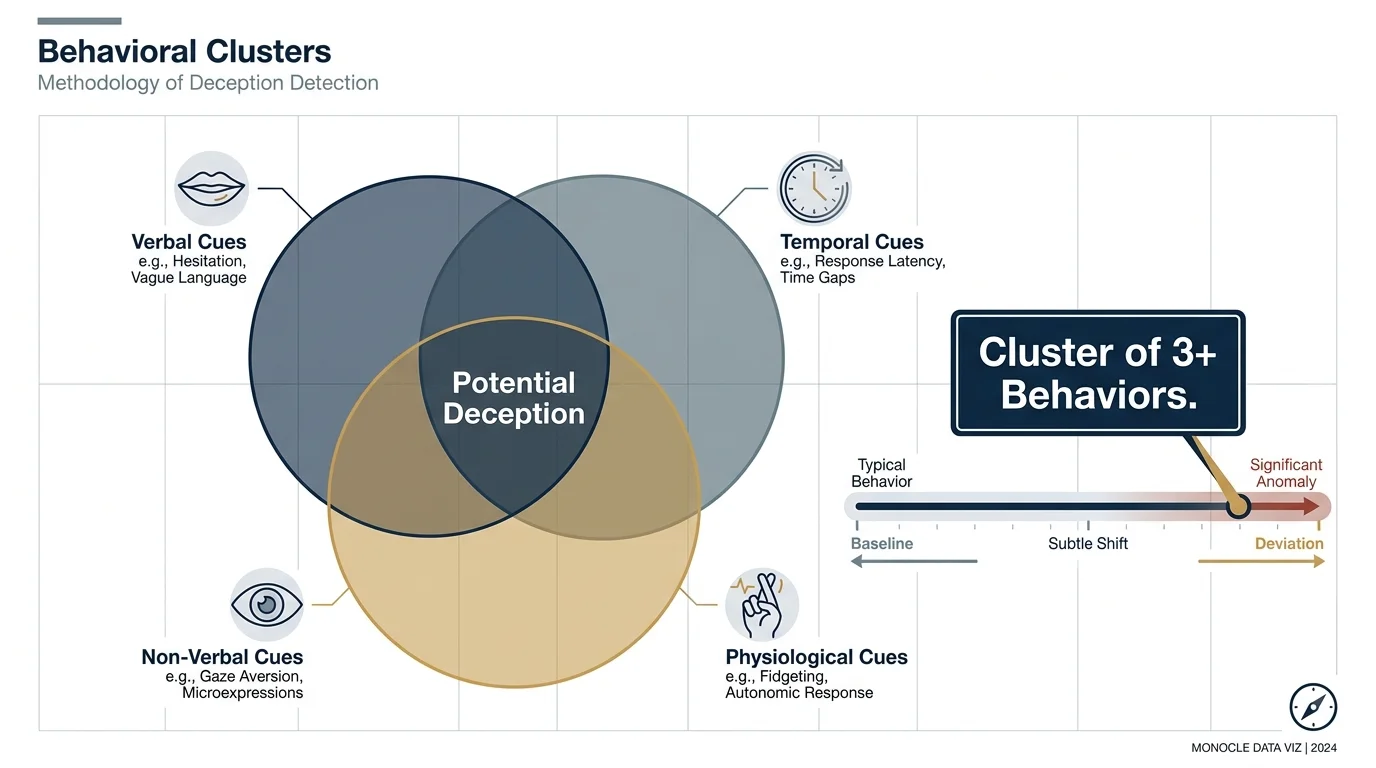
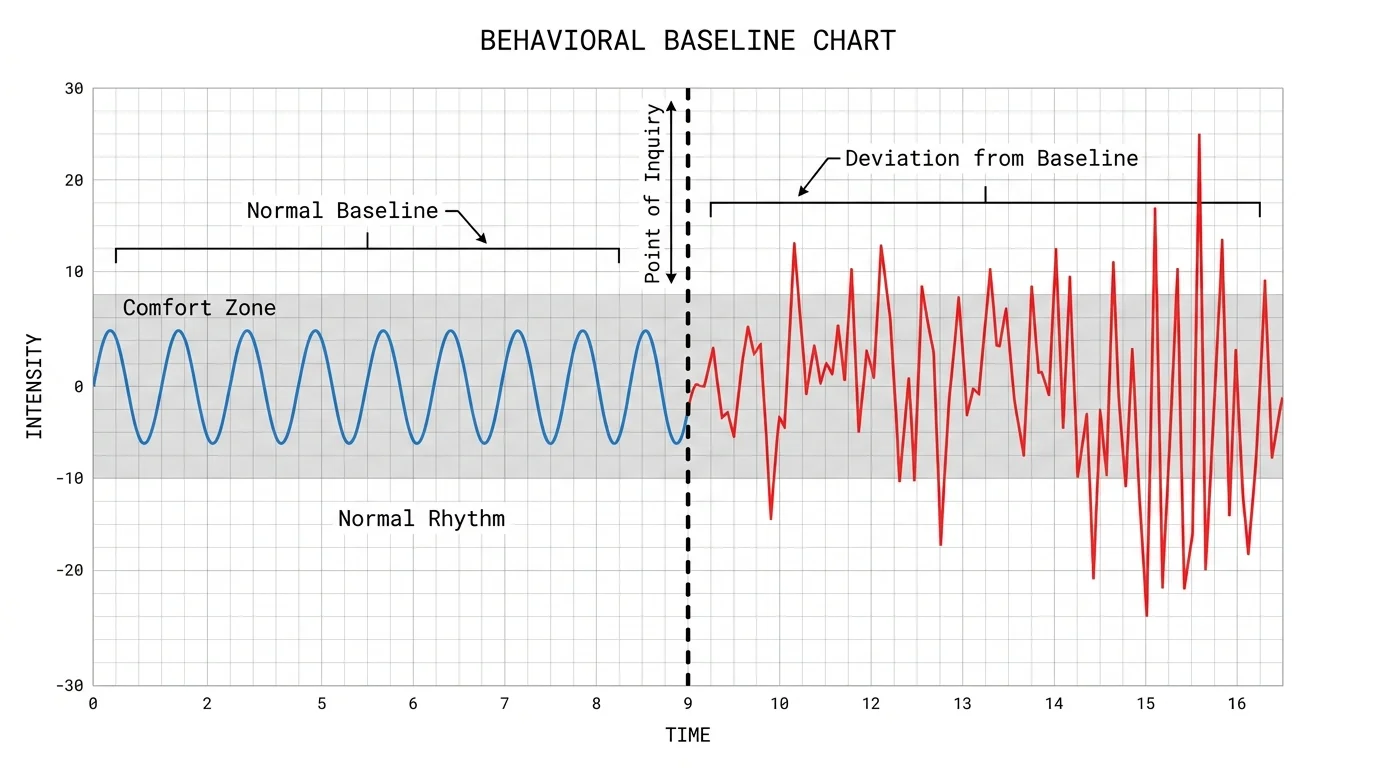
No single behavior guarantees that someone is being dishonest. The key to accurate lie detection is looking for “clusters” of behavior—three or more subtle deviations from a person’s normal baseline that occur simultaneously when they are asked a difficult question.

1. The “Cognitive Load” Pause
When you ask a direct question, an honest person retrieves the memory almost instantaneously. A deceptive person, however, experiences a bottleneck in their mental processing. Because they must evaluate what you know and quickly formulate a safe response, you will often notice an unnatural delay before they speak. This fractional pause—sometimes lasting just a second or two longer than a normal conversational rhythm—is the outward manifestation of their brain furiously writing a script. If someone consistently pauses before answering straightforward questions about their whereabouts or actions, they are likely managing their cognitive load rather than simply remembering.
2. Unblinking or Fixed Eye Contact
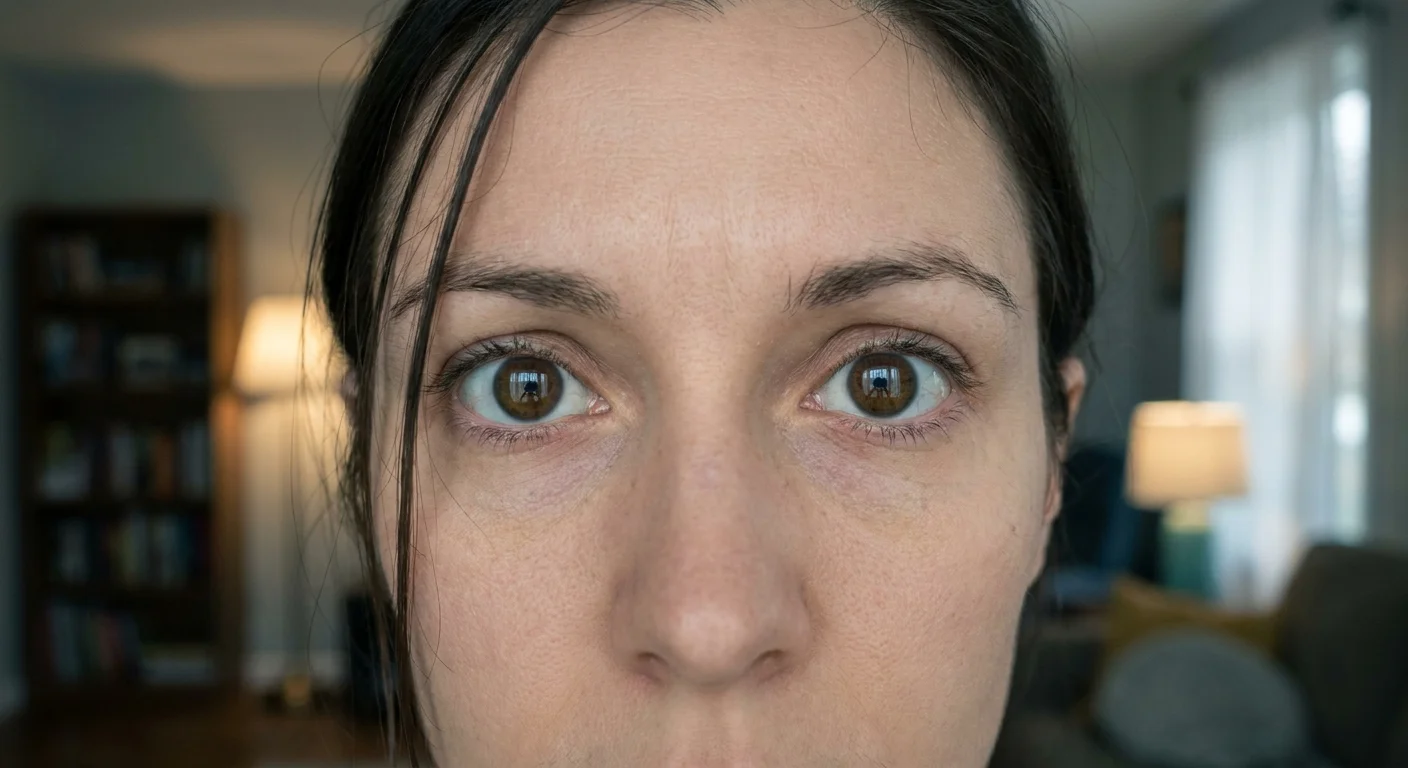
Pop culture insists that liars avert their gaze, stare at the floor, or shift their eyes nervously when they feel guilty. Behavioral science paints a drastically different picture. Because most people are acutely aware of the “shifty-eyed liar” stereotype, deceptive individuals will consciously overcompensate to appear sincere. They frequently maintain rigid, unblinking eye contact that feels intense or unnatural. Furthermore, they keep their eyes locked on you because they need to continuously monitor your micro-reactions; they are constantly evaluating whether you are buying their performance. Truth-tellers, on the other hand, naturally break eye contact and look away to concentrate when recalling complex information.
3. The Fake Smile Fade
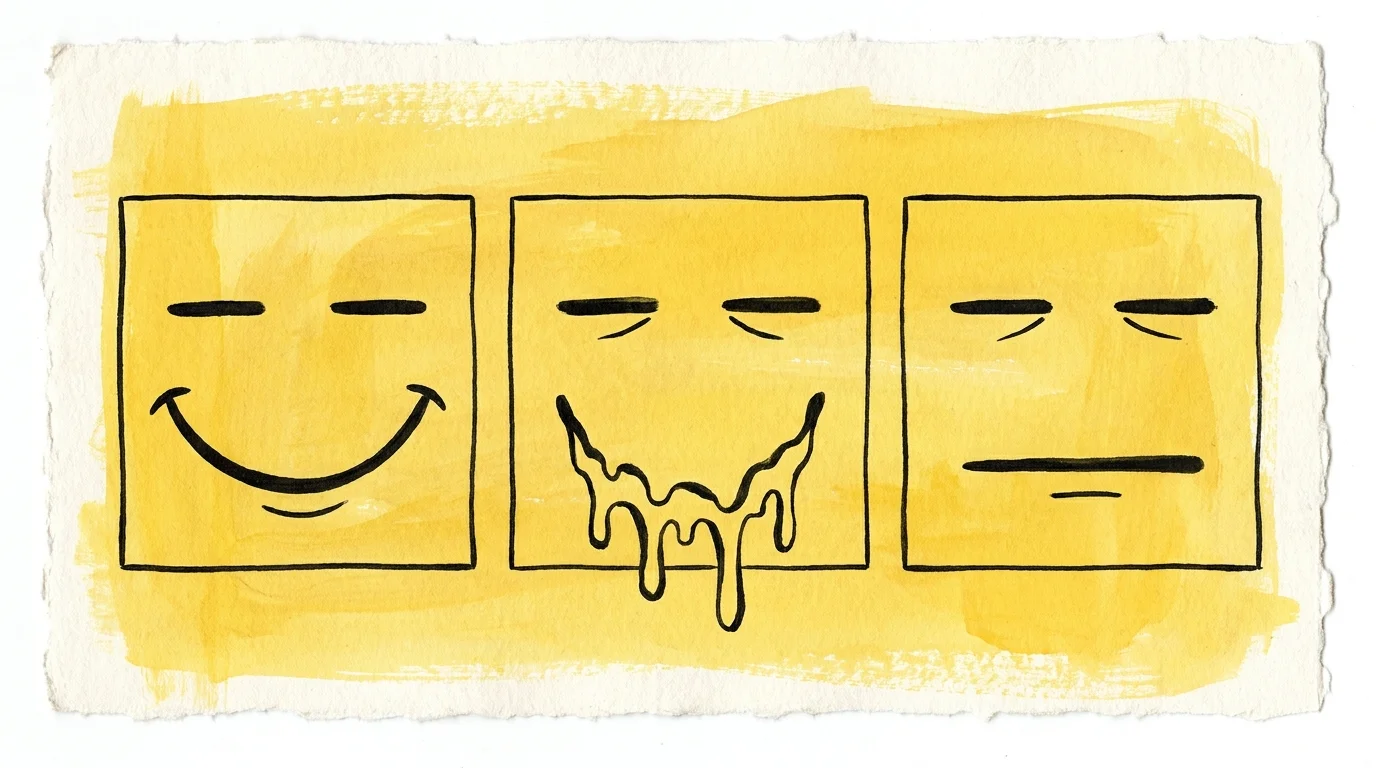
French anatomist Guillaume Duchenne discovered that a genuine smile involves two distinct facial muscles: the zygomatic major, which pulls the corners of the lips upward, and the orbicularis oculi, which crinkles the outer corners of the eyes. Most human beings cannot consciously contract the muscles around their eyes on command. When someone lies to cover an uncomfortable emotion or tries to project a false sense of warmth, they rely on a “social” or fake smile. This fabricated smile engages only the mouth. It also tends to drop off the face abruptly once the interaction ends, whereas a genuine Duchenne smile fades gradually and organically.

4. Incongruent Gestures
The human brain processes truth subconsciously; consequently, our bodies often react before our conscious minds can censor the movement. Incongruence happens when a person’s verbal message completely contradicts their nonverbal gesture. For example, a person might look you in the eye and say, “I completely agree with you,” while their head executes a subtle, almost imperceptible shake meaning “no.” Alternatively, they might passionately declare their absolute certainty about a fact while offering a slight, dismissive shoulder shrug. When words and body language misalign, the body is usually leaking the underlying truth.
5. Distancing Language and Pronoun Dropping
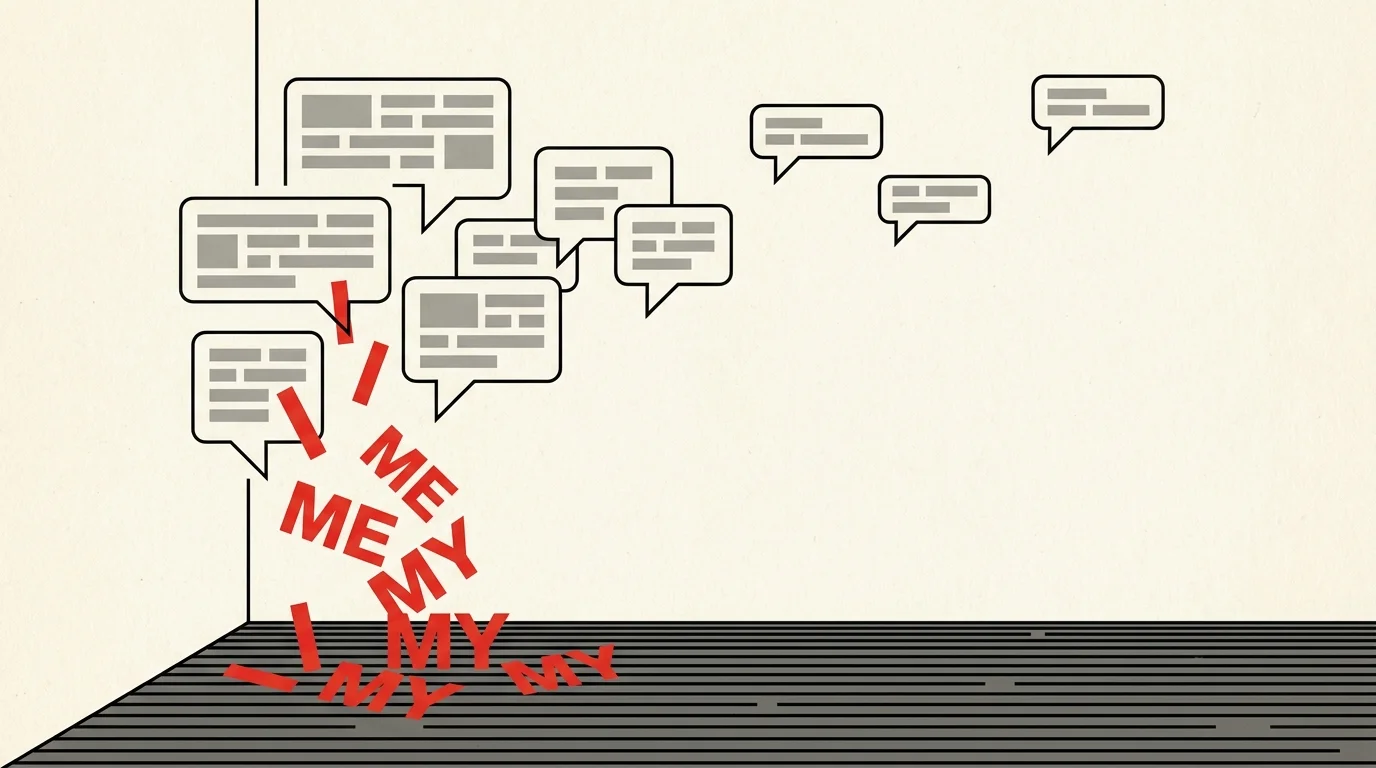
Language choices reveal the subconscious desire to distance oneself from a fabricated narrative. When people lie, they frequently drop first-person pronouns like “I” or “my” to verbally separate themselves from the deceptive act. Instead of asserting, “I didn’t take the money,” they might shift into a passive voice, stating, “The money wasn’t taken.” They also utilize distancing nouns to avoid humanizing the subject of the lie. The most famous historical example of this phenomenon is the statement, “I did not have sexual relations with that woman,” where the speaker deliberately avoids using the individual’s name to create a psychological buffer.
6. Chronological Rigidity
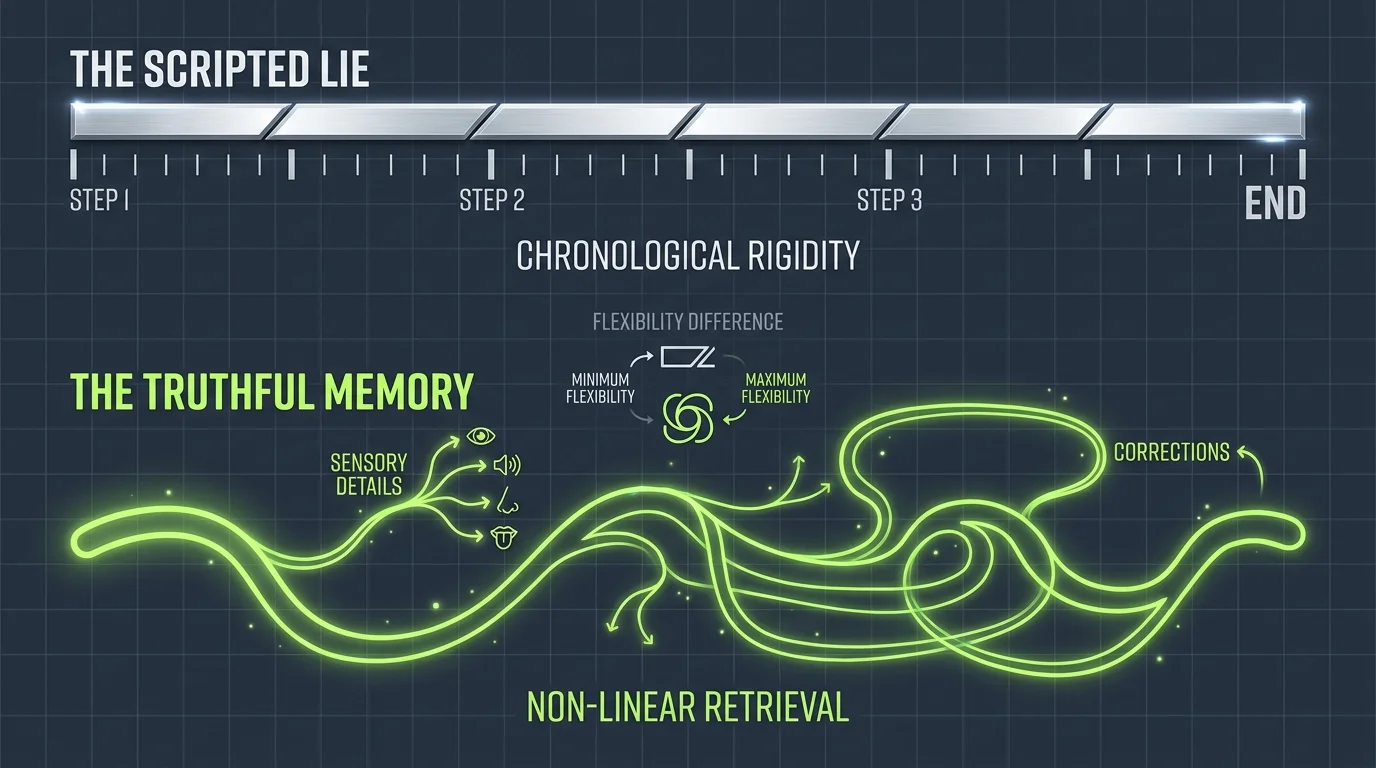
Honest memories are stored emotionally and contextually in the brain. If you ask a truthful person to recount a chaotic event backward, they can easily skip around the timeline, remembering new sensory details as they go. Fabricated stories, conversely, are built and memorized in strict chronological order—much like a rehearsed speech. If you ask a suspected liar to explain their story starting from the end and working their way backward, the cognitive load becomes unbearable. They will stumble over their words, hesitate, contradict themselves, or become highly defensive because their brain cannot easily reverse-engineer a fiction.

7. Over-Explaining and Unsolicited Details
Truth-tellers are surprisingly economical with their words. They give you the answer, provide the necessary context, and then stop talking. Liars battle a constant, underlying fear that they are not being believed. To bolster their credibility, they often drown their listeners in irrelevant details. They offer unprompted explanations, hyper-specific timelines, and elaborate backstories that nobody asked for. This excessive over-explaining is an anxious attempt to construct a wall of data that feels too dense and solid for you to question.

8. “Duping Delight” (The Inappropriate Smirk)
Dr. Paul Ekman, a pioneer in the study of human emotions, coined the term “duping delight” to describe the thrill a deceiver feels when they successfully manipulate a target. This psychological high temporarily overrides their conscious attempt to look serious, resulting in a fleeting smirk or a flash of a smile at highly inappropriate moments. You might catch this micro-expression right after they deliver a crucial lie or while they are watching you process their fabrication, revealing their hidden satisfaction at seemingly getting away with the deceit.

9. Pacifying and Self-Soothing Behaviors
Deception triggers the sympathetic nervous system—your body’s evolutionary fight-or-flight response. Heart rate increases, blood pressure rises, and a surge of anxiety floods the system. To physically calm this internal chaos, liars instinctively resort to pacifying gestures. You might observe them rubbing the back of their neck, stroking their own arms, touching their nose, or repeatedly adjusting their clothing. These tactile, self-soothing behaviors are the nervous system’s subconscious attempt to regulate an emotional spike and lower the body’s baseline stress.

10. The Lip Purse
When an individual is withholding vital information or feels highly uncomfortable with a direct question, they will often subconsciously purse their lips together, drawing them inward until they almost disappear. This physiological reaction is quite literally a closing of the mouth. It acts as a physical barrier constructed by the brain to keep the truth from spilling out. If you notice someone’s lips tightening or rolling inward immediately after you ask a sensitive question, they are likely harboring information they do not want to share.
11. Repeating the Question
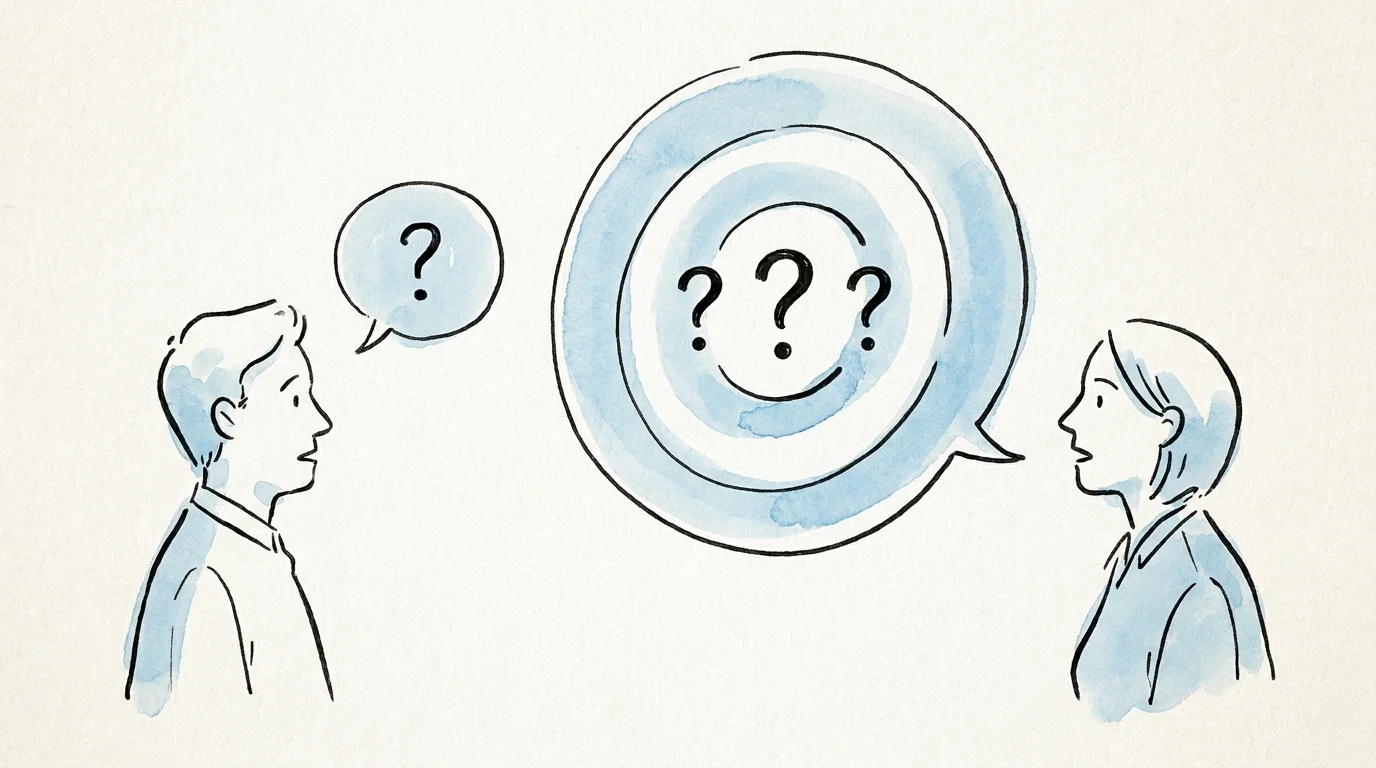
Time is a liar’s most valuable asset during a confrontation. When hit with an unexpected or pointed inquiry, they need a few crucial seconds to construct a believable lie. To buy this time without standing in an awkward, guilty-looking silence, they will repeat your question back to you. If you ask, “Where were you on Friday night?” and they slowly reply, “Where was I on Friday night? Well…”, they are utilizing a classic linguistic stalling tactic. This provides their overtaxed prefrontal cortex the grace period required to finalize their fictional narrative.
Common Misconceptions About Lie Detection
The media, police dramas, and pop psychology have heavily sensationalized how lie detection works, leaving the general public with a fundamentally flawed understanding of human behavior. Dispelling these myths is critical if you want to accurately interpret the signals people send.
The “Baseline” Fallacy
The most severe mistake amateur lie detectors make is judging behavior without establishing a baseline. A baseline is how a person acts, speaks, and gestures when they are perfectly comfortable and telling the truth. If someone is naturally fidgety, an anxious tremor during a serious conversation does not indicate deception; it is simply their normal state. You can only identify a lie by looking for sudden deviations from their established baseline.
Othello’s Error
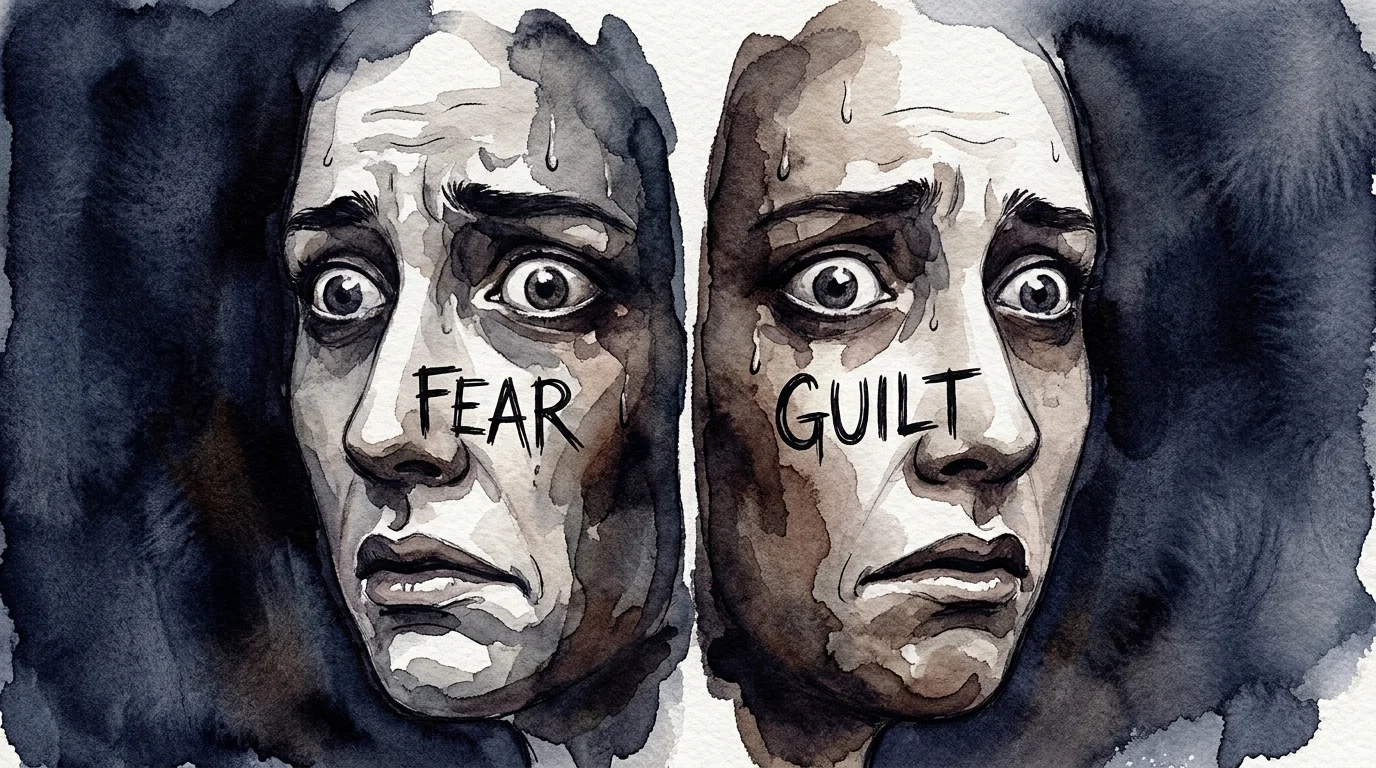
Nervousness is incredibly frequently mistaken for deception. Psychologist Paul Ekman coined the term “Othello’s Error” to describe this tragic phenomenon. The term references Shakespeare’s play, where Othello assumes his wife’s fearful weeping is a sign of infidelity, completely failing to realize she is crying because she knows her deeply jealous husband will not believe her truth. High-stakes conversations induce intense anxiety in innocent people, causing them to stutter, sweat, and look terrified. You must never assume that raw anxiety automatically equals guilt.

The Polygraph Myth
Pop culture treats polygraph machines as foolproof “truth detectors” that scientifically expose lies. In reality, polygraphs merely measure physiological arousal—specifically heart rate, respiration, and skin conductivity. According to the American Psychological Association, there is little to no evidence that polygraph tests can reliably distinguish between the anxiety caused by lying and the anxiety caused by the stress of being aggressively interrogated. This is precisely why polygraph results are largely inadmissible in many legal proceedings.

The Truth About Trust in Relationships
Spotting a lie is only the first step; understanding how honesty shapes the fabric of your connections is the ultimate goal. When you learn to identify deception, you simultaneously begin to recognize what genuine emotional transparency looks like. A healthy dynamic thrives on vulnerability and emotional safety, whereas a deceptive dynamic relies heavily on defensiveness and control.
| Behavioral Metric | Transparent Communication (Healthy) | Deceptive Communication (Unhealthy) |
|---|---|---|
| Reaction to Questions | Open, relaxed, and willing to provide necessary context without becoming hostile. | Guarded, highly defensive, or aggressively turning the questioning back onto you. |
| Handling of Mistakes | Takes immediate accountability and focuses on repairing the breach of trust. | Shifts blame, minimizes the impact, or completely rewrites the history of the event. |
| Body Language | Relaxed posture, open gestures, and natural, unforced eye contact. | Rigid posture, crossed arms, pacifying gestures, and incongruent physical signals. |
| Story Consistency | Stories remain logically consistent over time, even if minor details fade from memory. | Stories change dramatically over time, or remain rigidly rehearsed without organic variation. |
“Trust is the most important metric in any relationship. Without it, you cannot have a safe, emotional connection.” — John Gottman, Relationship Researcher
“Trust is built in very small moments. It is earned not through heroic deeds, or even highly visible actions, but through paying attention, listening, and gestures of genuine care and connection.” — Brené Brown, Researcher and Author

Finding the Right Professional Help
Occasional white lies are a normal, albeit imperfect, part of human social interaction. However, when deception becomes a chronic pattern, it almost always points to deeper emotional distress or systemic relational dysfunction. If lying is actively eroding your peace of mind or self-worth, reaching out to a licensed therapist can provide vital clarity. Consider seeking professional support in these specific scenarios:
- Deception hiding active addiction: When lying is consistently used to conceal substance abuse, gambling, or compulsive behaviors, the deception is a symptom of a life-threatening issue. Specialized addiction counseling is critical for both the individual and their partner.
- Pathological or compulsive lying: If someone frequently fabricates grandiose stories without any clear motive, financial gain, or obvious benefit, they may be dealing with underlying psychological conditions that require psychiatric evaluation and targeted intervention.
- Severe relationship trauma: When a major deception—such as long-term infidelity, hidden debts, or secret lives—shatters the foundation of your partnership, couples therapy can help you navigate the intense emotional fallout and determine if repair is possible.
- Profound anxiety and paranoia: If past betrayal leaves you constantly scanning your current partner for signs of deception, individual therapy can help you heal from betrayal trauma. A professional can help you calm your nervous system and slowly rebuild your capacity for healthy trust.
Frequently Asked Questions
Is withholding information considered the same as lying?
Yes; psychological researchers and relationship experts generally classify the intentional withholding of critical information as a form of deception known as a “lie of omission.” If keeping a secret deprives another person of their right to make an informed decision about their life or the relationship, it damages trust just as severely as a spoken fabrication.
Why do some people lie about small things that do not matter?
Lying about inconsequential details is often a trauma response or a learned coping mechanism. Individuals who grew up in highly critical, unpredictable, or abusive environments may have learned to lie instinctively to avoid punishment or maintain a false sense of control over their environment. For others, it is simply a deeply ingrained habit that requires conscious cognitive behavioral therapy to break.
Can stress make someone look like they are lying even when they are honest?
Absolutely. The physiological symptoms of extreme stress—sweating, stuttering, racing heartbeat, and fidgeting—are nearly identical to the body’s response to lying. If a truthful person is terrified that they will not be believed, their fear will trigger their fight-or-flight response, making them appear guilty to an untrained observer. This is why you must always establish a behavioral baseline before jumping to conclusions.
Moving Forward With Clarity
Navigating deception in your personal or professional life is emotionally taxing, but honing your observational skills empowers you to protect your boundaries and your reality. You do not need to become a hostile interrogator; simply pay quiet attention to the subtle mismatches between what someone says and how their body unconsciously reacts. Trust your intuition when something feels fundamentally misaligned, and focus your energy on cultivating environments where vulnerability and honesty are consistently rewarded rather than punished.
This article provides general educational information about psychology and relationships. It is not a substitute for professional therapy or medical advice. Everyone’s situation is unique—if you’re struggling with betrayal trauma, compulsive behaviors, or relationship distress, please reach out to a licensed mental health professional.
Last updated: May 2026. Psychology research evolves continuously—verify current findings with professional sources.







Leave a Reply