

When a partner or friend starts withholding the truth, your intuition often notices the shift long before you uncover hard evidence. Navigating secretive behavior requires understanding the psychological mechanisms behind deception rather than jumping straight to accusations. People hide details for complex reasons, from preserving their self-image and avoiding conflict to masking deeper betrayals. Recognizing the subtle behavioral shifts associated with emotional secrecy gives you the clarity needed to address underlying relationship issues effectively. By observing specific communication patterns, defensive reactions, and physical withdrawal, you can accurately assess whether someone is intentionally concealing information. Understanding these eight research-backed signs of hidden relationship behaviors allows you to approach difficult conversations with emotional intelligence and protect your boundaries.
The Psychological Weight of Secrets
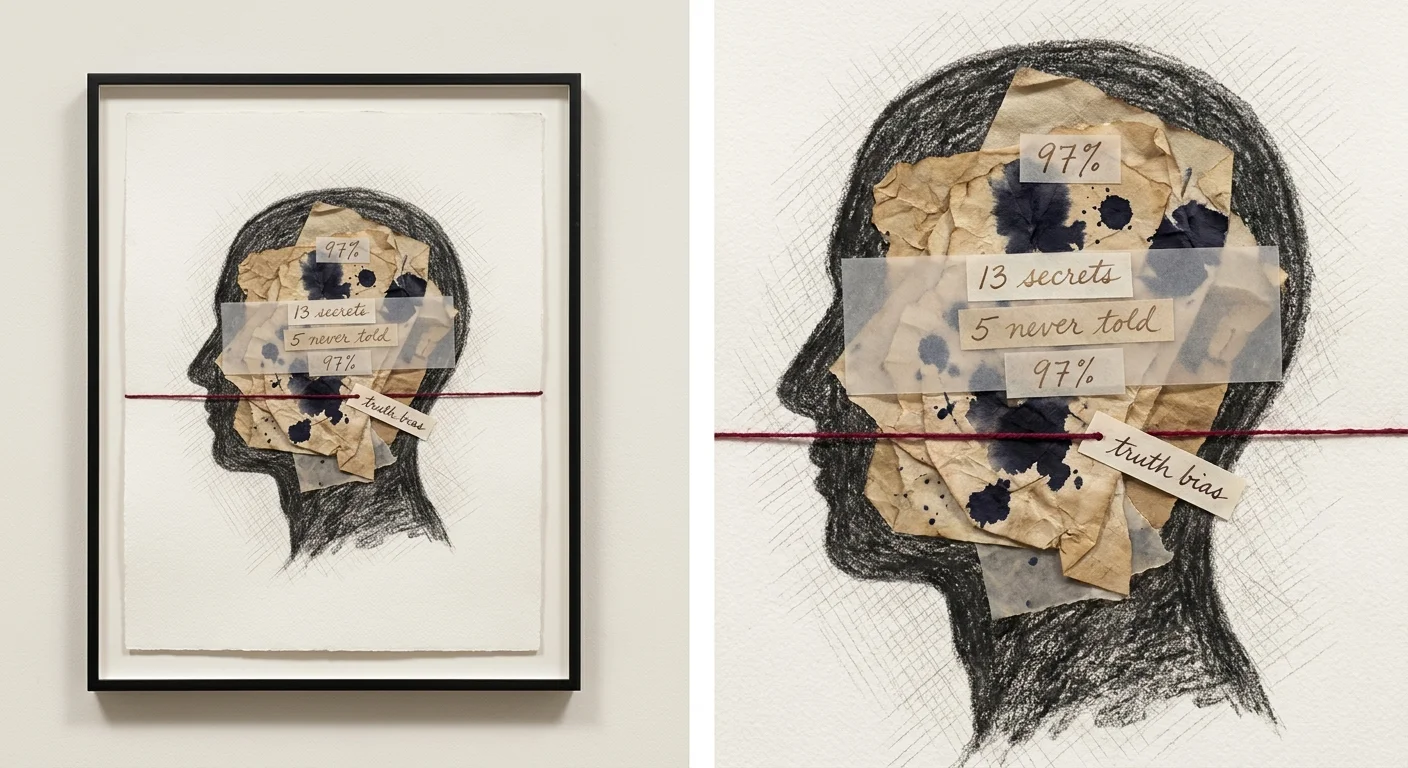
Most of us operate under a psychological framework known as the “truth bias,” meaning we inherently assume the people we care about are telling us the truth. Because of this default trust, detecting deceit in close relationships feels highly disorienting. You might question your own memory or feel guilty for even harboring suspicion.
Research reveals that keeping secrets is a nearly universal human experience. According to psychological studies on secrecy led by researchers at Columbia University, roughly 97 percent of people have at least one secret at any given moment. Furthermore, the average person actively carries around 13 secrets, five of which they have never told a single soul. While concealing a surprise birthday party or a minor embarrassing moment from childhood is harmless, holding back significant emotional or relational truths fundamentally alters how two people connect.
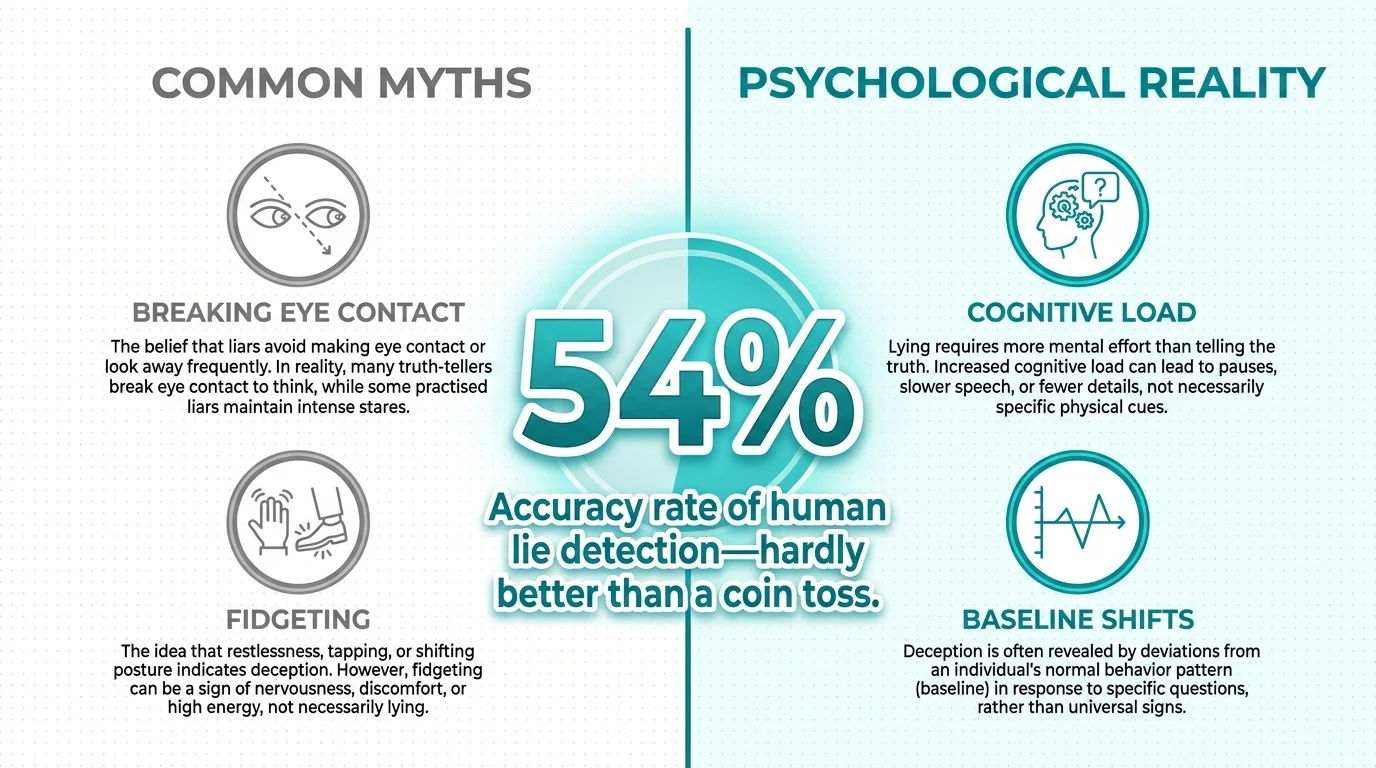
Interestingly, human beings are remarkably poor lie detectors. Extensive meta-analyses published by the American Psychological Association demonstrate that the average person can accurately detect deception only about 54 percent of the time—hardly better than a coin toss. This low accuracy rate occurs because we rely on outdated myths about lying, such as assuming liars always break eye contact or fidget nervously. In reality, skilled concealers easily mask these obvious tells. Instead of looking for traditional “lying signs,” relationship psychology suggests you should observe shifts in a person’s baseline behavior, emotional availability, and communication styles.
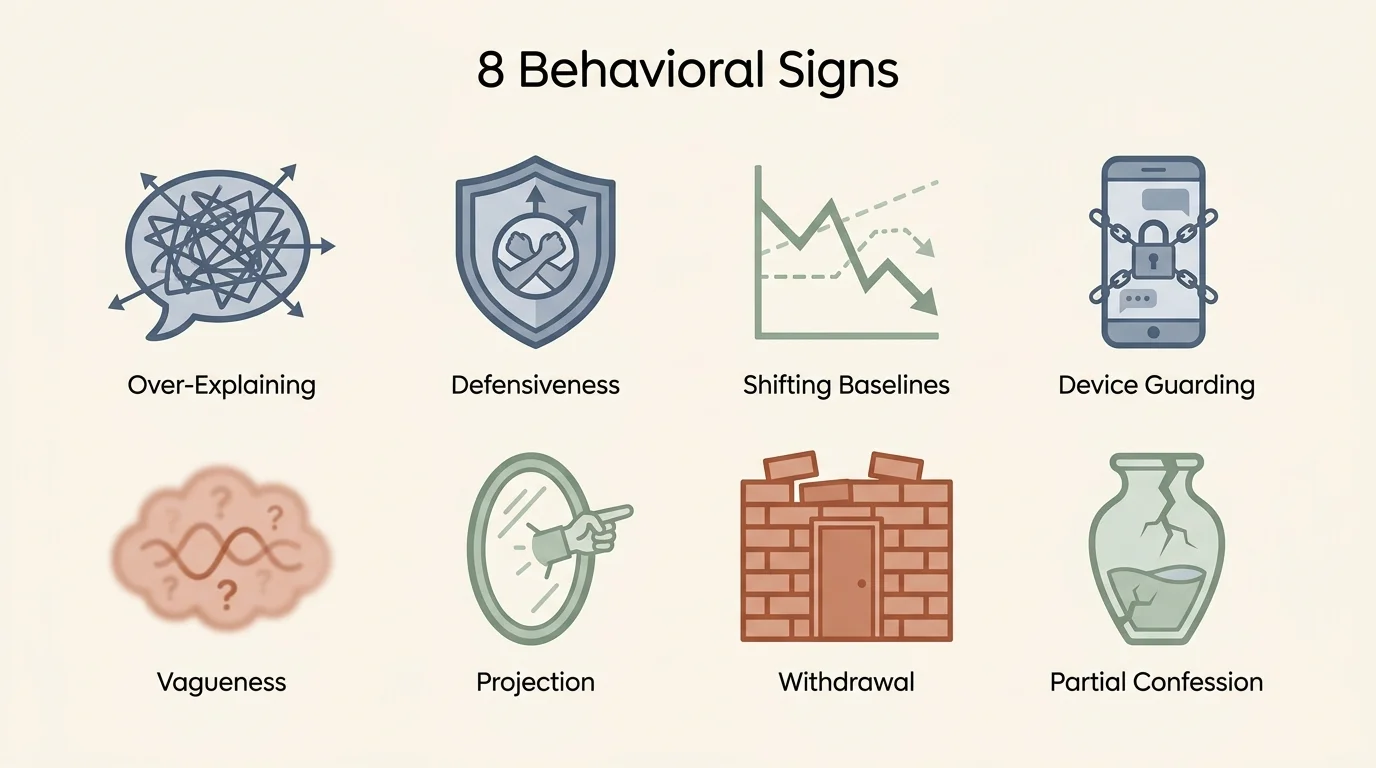
8 Behavioral Signs of Emotional Secrecy
When someone harbors a significant secret, the cognitive load required to maintain that deception inevitably leaks into their daily behavior. If you suspect someone in your life is hiding more than they admit, pay attention to these eight psychological and behavioral shifts.

1. Over-Explaining and Unsolicited Detailing
When most people recount a genuine experience—like a trip to the grocery store—they provide a brief, relatively mundane summary. They might skip details, double back, or forget the exact timeline because recalling natural memories is inherently messy. Conversely, someone hiding the truth often constructs a rigid, overly detailed narrative.
Because they fear you will not believe them, they overcompensate. They offer unsolicited specifics: the exact route they drove, the specific song playing on the radio, or the precise dialogue of an inconsequential conversation. This psychological phenomenon occurs because the concealer believes that a high volume of detail equates to high credibility. If you notice a partner or friend suddenly delivering rehearsed, overly dense explanations for simple questions, they may be trying to bury a lie beneath a mountain of irrelevant facts.
2. The Sudden Appearance of Defensiveness
Healthy communication allows for natural curiosity. If you ask a friend why they were unreachable for a few hours, a secure response is usually casual and straightforward. However, when someone is hiding something, a simple question feels like a glaring spotlight. Their immediate reaction is to shield themselves from perceived exposure.
According to research from The Gottman Institute, defensiveness is one of the “Four Horsemen” of relationship conflict—behaviors that actively destroy intimacy. Defensiveness often manifests as playing the innocent victim or launching a counter-attack. Instead of answering your question, they might say, “Why are you always interrogating me?” or “I work hard all week, and I can’t even get a moment of peace!” By escalating the emotional intensity of the conversation, they force you to back down, effectively deflecting attention away from the original question.

3. Shifting Baselines and Routine Disruptions
In behavioral psychology, a “baseline” refers to a person’s normal, everyday pattern of behavior. Detecting hidden behavior relies heavily on recognizing deviations from this unique baseline. A sudden change in routine—without a logical catalyst—frequently indicates concealed activity.
These shifts often appear in mundane ways. Perhaps a partner who historically hated running suddenly starts taking long, unaccounted-for jogs every evening. Maybe a highly punctual friend becomes consistently flaky and erratic with their schedule. It is not the new behavior itself that is suspicious, but rather the lack of a coherent explanation for the change. When pressed about these routine disruptions, someone harboring a secret will typically offer vague, dismissive answers rather than inviting you into their new interest or habit.

4. Device Guarding and Digital Vaulting
In our modern era, smartphones function as the primary archives of our private lives. Consequently, digital behavior serves as a prominent indicator of emotional secrecy. A healthy relationship allows for a reasonable expectation of privacy; you do not need access to your partner’s passwords to have a secure connection. However, active “device guarding” is a distinct behavioral shift.
Device guarding looks like placing a phone face-down every time you enter the room, changing passwords suddenly after years of open access, or carrying a laptop into the bathroom. You might notice them angling their screen away from you on the couch or turning off lock-screen notifications entirely. This physical possessiveness over digital devices often stems from the acute anxiety that a single pop-up message could unravel their carefully constructed narrative.
5. Weaponized Vagueness and Distancing Language
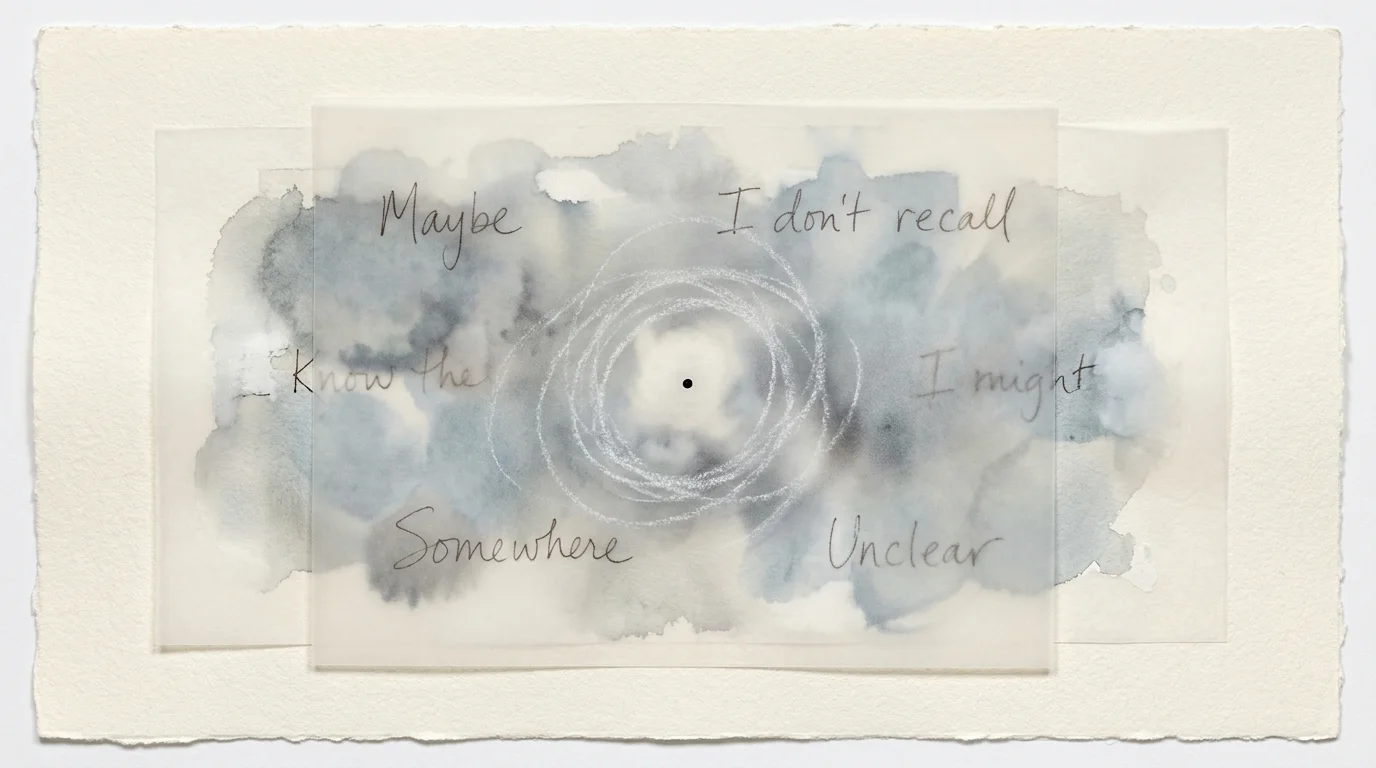
Language choices can reveal the psychological distance someone is trying to create between themselves and a lie. Linguistic analysis of deception highlights how people alter their pronoun usage and sentence structure when concealing the truth. They frequently drop first-person pronouns (“I” or “me”) to subconsciously distance themselves from responsibility.
Furthermore, they rely heavily on weaponized vagueness. If you ask how a work dinner went, instead of sharing a specific anecdote, they might respond with, “It was fine, you know how those things go. We just talked about typical work stuff.” They stick to sweeping generalizations. By remaining purposefully ambiguous, they avoid providing concrete details that you could later verify or cross-reference. This strategy minimizes the cognitive effort required to maintain a lie, as vague statements are harder to disprove than specific claims.
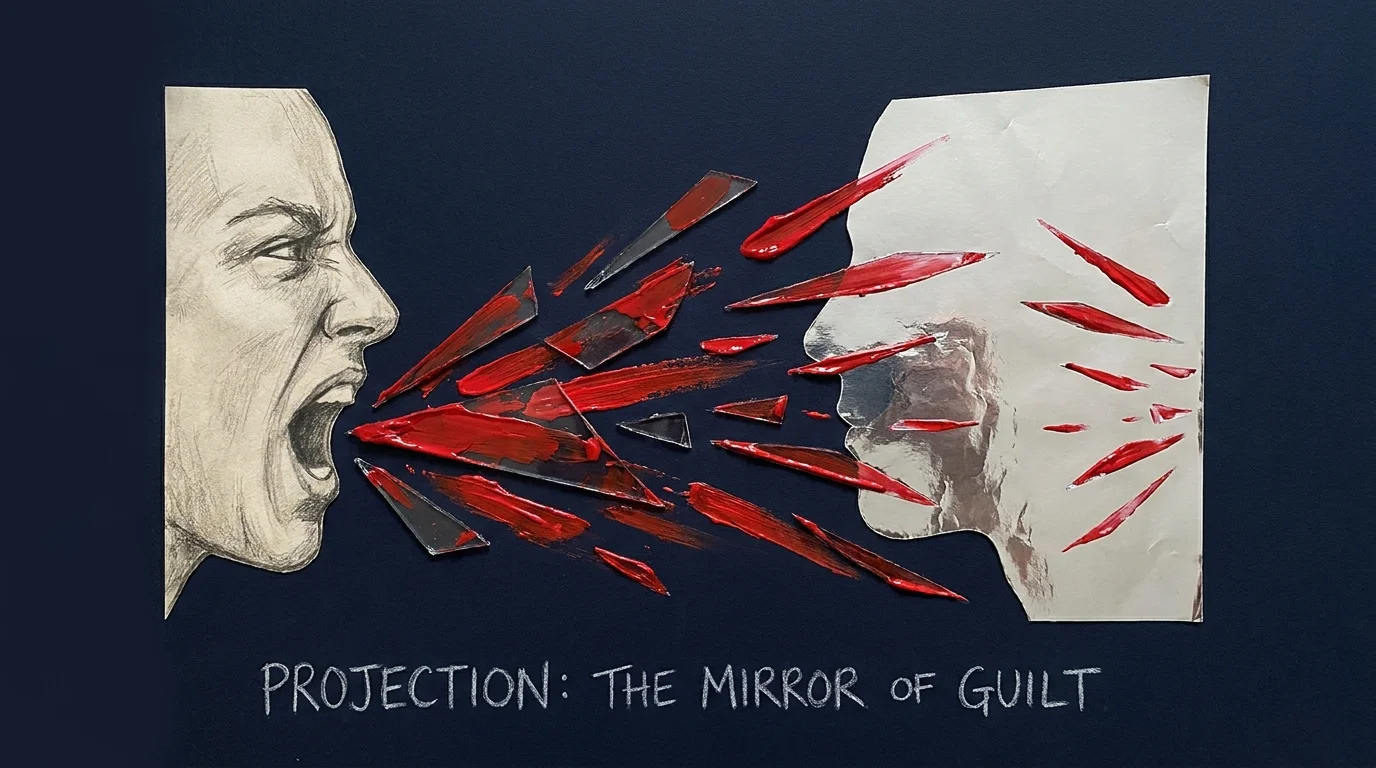
6. Projection and Unwarranted Accusations
Projection is a psychological defense mechanism wherein an individual takes their own unacceptable thoughts, feelings, or behaviors and attributes them to someone else. In the context of relationship secrecy, this often looks like an unprompted, baseless accusation directed at you.
For example, a partner who is engaging in financial infidelity might suddenly accuse you of spending too much money. Someone engaging in emotional affairs might become highly suspicious of your platonic friendships, frequently checking your whereabouts. The psychological guilt of their own secret creates immense internal tension. To relieve this tension, their brain externalizes the guilt, convincing them that you must be doing the exact same thing. It is a disorienting experience to be accused of something you have not done, but recognizing it as projection can help you maintain your emotional grounding.

7. Emotional Withdrawal and the Intimacy Blockade
True intimacy requires vulnerability, and vulnerability demands honesty. When a person is hiding a significant piece of their reality, they cannot be fully present. To protect their secret, they must build an internal wall, which inevitably results in emotional withdrawal from the relationship.
You may notice they stop sharing small details about their day, stop asking meaningful questions about yours, or avoid deep, emotionally resonant conversations. Physical intimacy might wane, or it might feel strangely disconnected. They are emotionally flatlining the relationship to minimize the risk of accidental exposure. As a relationship psychology expert will tell you, a sudden, unexplained void of emotional warmth is often the heaviest toll a secret takes on a partnership.

8. The “Partial Confession” (Trickle-Truthing)
Sometimes, the guilt of a secret becomes too heavy to bear entirely, but the fear of consequence prevents a full admission. The result is a behavioral pattern known as “trickle-truthing” or the partial confession. They will admit to a minor infraction to relieve some of their internal pressure while keeping the core betrayal hidden.
For instance, they might admit to having a single drink when they promised to stay sober, while hiding the fact that they spent the entire night at a bar. They might confess to texting an ex-partner “just to say happy birthday,” while concealing a month-long emotional affair. By offering you a small piece of the truth, they hope to satisfy your intuition and stop your questioning. If their confession feels incomplete, or if the punishment they seem to expect does not match the minor crime they confessed to, they are likely still holding back.
“Shame cannot survive being spoken. It cannot tolerate having words wrapped around it. What it craves is secrecy, silence, and judgment.” — Brené Brown, Vulnerability Researcher
Common Misconceptions About Secrecy
Understanding the nuances of deception requires unlearning several pervasive societal myths. When you rely on flawed assumptions about how people behave, you risk either accusing an innocent person or missing genuine red flags.
| Common Misconception | Psychological Reality |
|---|---|
| Liars always avoid eye contact. | Skilled concealers often maintain deliberate, unbroken eye contact to appear trustworthy. Natural storytellers actually break eye contact more frequently as they access their memories. |
| Fidgeting is a guaranteed sign of hiding something. | Fidgeting simply indicates physiological arousal or anxiety. An innocent person may fidget heavily simply because they feel nervous about being falsely accused or scrutinized. |
| If someone loves you, they will never keep a secret. | Even in healthy, loving relationships, individuals maintain private internal lives. The danger lies in secrets that violate the boundaries or agreed-upon rules of the relationship. |
| Confrontation will eventually force the truth out. | Aggressive confrontation usually increases a person’s fight-or-flight response, leading to deeper entrenchment in the lie. Compassionate, grounded inquiry yields better results. |

How to Respond When You Suspect Hidden Behaviors
If you recognize several of these signs in someone you care about, how you choose to respond can determine the future of your connection. Reacting impulsively rarely brings the clarity you desire. Consider taking the following deliberate steps:
- Regulate your own nervous system first: Before initiating a conversation, ensure you are grounded. Approaching a suspected lie while highly activated will only trigger their defensiveness.
- Use “I” statements, not accusations: Frame your concerns around your own observations and feelings. Instead of saying, “You are hiding something from me,” try saying, “I have felt a bit disconnected from you lately, and I noticed you’ve been guarding your phone. Can we talk about what might be creating this distance?”
- Pay attention to their reaction, not just their words: Do they lean in and attempt to soothe your anxiety, or do they immediately launch into anger and counter-accusations? A healthy partner will prioritize repairing the emotional rupture, even if they feel misunderstood.
- Trust your somatic intuition: Your body often processes micro-expressions and behavioral shifts long before your conscious brain labels them. If you feel a persistent, undeniable knot in your stomach regarding their behavior, honor that signal.

Finding the Right Professional Help
Navigating the turbulent waters of mistrust, betrayal, or chronic secrecy is exhausting. You do not have to untangle these complex dynamics on your own. Seeking professional support is highly recommended under the following scenarios:
- You are experiencing gaslighting: If a partner’s secretive behavior is accompanied by efforts to make you doubt your own memory, sanity, or perception of reality, individual therapy is essential for rebuilding your self-trust.
- The secrecy involves addiction or infidelity: These specific breaches of trust carry profound psychological weight. A licensed couples counselor can provide a structured, neutral environment to facilitate disclosure and explore whether the relationship can be repaired.
- Your mental health is actively deteriorating: If the stress of monitoring a partner’s behavior leads to insomnia, chronic anxiety, depression, or an inability to focus on your daily life, prioritize your own emotional well-being by consulting a mental health professional.
- You feel trapped in a cycle of suspicion: If you find yourself constantly checking their location, reading their emails, or interrogating them, a therapist can help you break out of this hyper-vigilant trauma response.
For more insights on building trust and healthy communication, you can explore resources from Psychology Today or learn about evidence-based relationship frameworks at Verywell Mind.
Rebuilding trust after a period of secrecy requires immense courage from both parties. The person hiding the truth must be willing to step out of their shame and take absolute accountability for their actions. Simultaneously, you must be willing to sit with the discomfort of the truth once it is revealed.
Remember that you cannot force someone to be honest; you can only control your boundaries and your responses. If a person continuously chooses secrecy over intimacy, they are actively showing you their capacity for connection in this current season of their life. Trust your judgment, seek the support you deserve, and prioritize relationships where honesty is treated as a shared, foundational value. This article provides general educational information about psychology and relationships. It is not a substitute for professional therapy or medical advice. Everyone’s situation is unique—if you’re struggling, please reach out to a licensed mental health professional.
Last updated: May 2026. Psychology research evolves continuously—verify current findings with professional sources.









Leave a Reply