

Psychological manipulation often starts subtly, masquerading as intense affection, miscommunication, or harmless mistakes. You might catch yourself apologizing for things you didn’t do, second-guessing your memory, or walking on eggshells to avoid triggering another conflict. Recognizing the warning signs of mind games is the critical first step to protecting your emotional well-being and regaining clarity. While occasional misunderstandings are a normal part of human connection, a persistent pattern of psychological control—such as gaslighting, blame-shifting, or forced isolation—can severely erode your self-worth. By understanding these eight manipulation tactics, you can set firmer boundaries, trust your intuition again, and decide whether a relationship is worth repairing or if it is time to walk away.

1. Gaslighting and Distorting Your Reality
Gaslighting is a psychological manipulation tactic designed to make you question your own memory, perception, and sanity. A person playing mind games uses this technique to destabilize you and maintain dominance in the relationship. According to the Centers for Disease Control and Prevention (2024), nearly 1 in 3 women and more than 1 in 5 men experience psychological aggression by an intimate partner at some point in their lives. Gaslighting serves as one of the most pervasive and damaging forms of this aggression.
This tactic rarely begins with massive lies. Instead, a manipulator starts by denying small conversations or insisting you misunderstood their clear intentions. Over time, they escalate to phrases like, “You are imagining things,” or “You are too sensitive.” They rewrite history to suit their narrative, leaving you feeling perpetually confused. If you frequently find yourself secretly recording conversations or taking screenshots just to prove to yourself that an event actually happened, you are likely dealing with a severe form of psychological manipulation.

2. The Silent Treatment as a Weapon
Healthy couples often need a brief timeout to cool down during a heated argument. However, a manipulator wields the silent treatment as a punitive weapon to enforce compliance. This form of emotional withholding, often referred to as stonewalling, aims to make you feel invisible and desperate for their approval.
When someone uses the silent treatment as a mind game, they ignore your texts, refuse to make eye contact, and act as though you do not exist for days at a time. They force you into a position where you must apologize—even if they were the ones in the wrong—just to restore a sense of normalcy.
“Trust is built in very small moments, which I call ‘sliding door’ moments. In any interaction, there is a possibility of connecting with your partner or turning away from your partner.” — Dr. John Gottman, Relationship Researcher
By intentionally turning away and severing connection, a manipulator starves the relationship of trust. They train you to fear their withdrawal, ensuring you will comply with their demands to avoid the deep emotional pain of being ignored.

3. Love Bombing Followed by Devaluation
Mind games often rely on a jarring cycle of idealization and devaluation. In the early stages of a relationship, a manipulator may shower you with excessive praise, lavish gifts, and declarations of soulmate-level connection. This tactic, known as love bombing, overwhelms your logical defenses and creates an intense, artificial bond.
Once they secure your trust, the dynamic abruptly shifts. The person who previously adored everything about you suddenly finds flaws in your appearance, your career, and your personality. They withdraw their affection, leaving you scrambling to recreate the honeymoon phase. This hot-and-cold behavior triggers a trauma bond; your brain becomes addicted to the unpredictable spikes of dopamine that occur when they occasionally return to their loving persona. You end up working tirelessly to please someone who keeps moving further out of emotional reach.

4. Shifting the Blame and Deflecting
People who play mind games possess an uncanny ability to evade accountability. When you confront them about hurtful behavior, they swiftly deflect the conversation and redirect the focus onto your perceived flaws. If you express hurt over their chronic lateness, they will instantly pivot to a mistake you made three months ago. They effectively put you on the defensive, forcing you to defend your own character rather than addressing the original issue.
Projection often accompanies this blame-shifting. A partner who is secretly engaging in infidelity might constantly accuse you of cheating. A friend who actively spreads rumors may call you untrustworthy. By projecting their toxic traits onto you, they muddy the waters and distract from their own harmful actions.

5. Feigned Incompetence or Deliberate Confusion
Weaponized incompetence is a subtle yet highly effective manipulation tactic, especially in domestic or workplace environments. A person pretends they do not know how to complete a basic task, or they execute it so poorly that you eventually give up and do it yourself. They might claim they simply do not have your “eye for detail” or argue that you are “better at these things.”
This behavior masquerades as innocent confusion, but it serves a distinct purpose: avoiding shared responsibility. By playing the role of the helpless subordinate, the manipulator forces you to carry the entire mental and physical load of the relationship. When you express frustration, they accuse you of being overly controlling or ungrateful for their “efforts.”

6. Playing the Victim (DARVO)
When a manipulator faces undeniable proof of their wrongdoing, they often deploy a specific psychological defense mechanism. Coined by psychologist Dr. Jennifer Freyd in the 1990s, DARVO stands for Deny, Attack, and Reverse Victim and Offender. This sequence effectively flips the script, transforming the person who caused the harm into the wounded party.
First, they deny the behavior entirely. Next, they attack your credibility, your memory, or your motivations for bringing the issue forward. Finally, they reverse the roles, claiming that your attempt to hold them accountable is actually an abusive attack on them. For example, if you catch a partner lying about their finances, they might yell, “I wouldn’t have to hide things if you weren’t so financially controlling! You are destroying my mental health.” Suddenly, you find yourself comforting the person who betrayed your trust.

7. Moving the Goalposts
A relationship with a psychological manipulator feels like a rigged game where you can never win. No matter how hard you try to meet their standards, they continually move the goalposts. If they demand you spend more time at home and you adjust your schedule to do so, they will then complain that you are suffocating them or neglecting your career.
This tactic keeps you in a perpetual state of striving and anxiety. Because the criteria for success change daily, you remain off-balance and heavily dependent on their momentary approval. They leverage this manufactured inadequacy to maintain a position of superiority, ensuring you always feel like you are falling short of being a “good” partner, friend, or employee.

8. Triangulation and Manufacturing Jealousy
Triangulation occurs when a manipulator introduces a third party into your relationship dynamic to create insecurity, jealousy, or a sense of competition. This third party could be an ex-partner, a coworker, or even a family member. The manipulator drops subtle hints about how attractive their coworker is or mentions how much their ex used to love a specific hobby of theirs.
By creating a manufactured rivalry, the manipulator achieves two goals. First, they inflate their own ego by making themselves appear highly desired. Second, they force you to compete for their attention. If you express discomfort, they invalidate your feelings by calling you jealous or paranoid, completely ignoring the fact that they deliberately orchestrated the scenario.
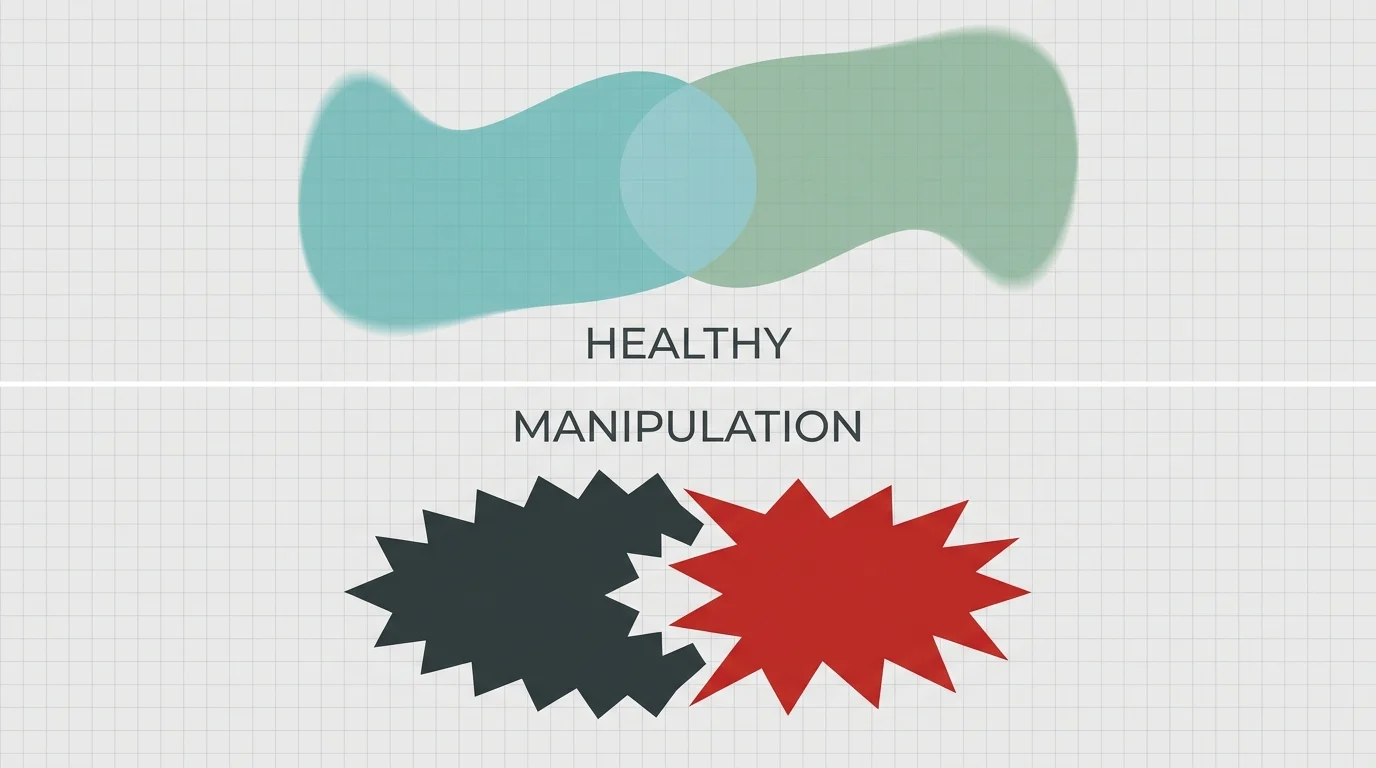
Healthy Conflict vs. Psychological Manipulation
Understanding the difference between normal relationship friction and calculated mind games can help you identify toxic patterns early. The table below highlights key distinctions between healthy communication and emotional manipulation.
| Behavior | Healthy Relationship | Psychological Manipulation |
|---|---|---|
| Taking Space | Requesting a brief pause to cool down, communicating a clear intention to return and resolve the issue. | Using prolonged silent treatments to punish you, provoke anxiety, and force you to submit. |
| Making Mistakes | Offering a genuine apology, taking full accountability, and demonstrating changed behavior over time. | Making excuses, shifting the blame onto your reactions, and repeating the exact same behavior. |
| Handling Disagreements | Focusing strictly on the current issue and striving to understand your perspective. | Attacking your character, bringing up past unrelated mistakes, and dismissing your feelings entirely. |
| Setting Boundaries | Respecting a “no” without argument, even if they feel disappointed. | Pushing past your limits, negotiating your boundaries, or guilting you for having them. |

Myths Worth Debunking
Misunderstandings about psychological abuse often prevent people from recognizing they are being manipulated. Let’s clear up a few common myths.
Myth: Only people with narcissistic personality disorder play mind games.
While individuals with certain personality disorders may frequently use manipulation, anyone is capable of playing mind games. Sometimes, people use these tactics as maladaptive defense mechanisms learned in childhood. Regardless of the underlying cause or a formal diagnosis, persistent emotional manipulation remains deeply harmful and unacceptable.
Myth: If you are highly intelligent, you cannot be manipulated.
Psychological manipulation bypasses logic and targets your emotional vulnerabilities. Manipulators actively seek out highly empathetic, compassionate individuals because they know those traits make someone more likely to forgive transgressions and assume good intent. Falling victim to mind games is a testament to your capacity for trust, not a reflection of your intelligence.
Myth: Mind games are just a normal communication issue.
Couples experience communication issues when they misunderstand each other’s needs or have different conflict resolution styles. Mind games, however, do not stem from a lack of understanding. They stem from a desire for power and control. Therapy can fix communication issues; it cannot fix a partner who actively seeks to dominate your reality.

Signs It’s Time to Talk to a Therapist
Experiencing persistent emotional manipulation can severely impact your mental health. Consider reaching out to a licensed professional through organizations like the American Psychological Association or the National Alliance on Mental Illness if you recognize the following signs in yourself:
- You constantly feel confused, second-guess your own memory, or struggle to make simple daily decisions.
- You have isolated yourself from friends and family because it feels too exhausting to explain your relationship dynamic.
- You experience physical symptoms of chronic stress, such as racing heartbeats, digestive issues, or insomnia, specifically when interacting with this person.
- You feel fundamentally “broken” and have absorbed the belief that you are the sole cause of all the problems in your relationship.

Next Steps
Healing from psychological manipulation begins with validating your own reality. If you recognize these warning signs in your relationship, start by firmly establishing boundaries. Document your experiences in a private journal to anchor your memory and prevent gaslighting from taking root. Reconnect with trusted friends and family members who can offer an objective perspective and remind you of your intrinsic worth. You deserve a relationship built on mutual respect, honesty, and emotional safety—not a battlefield of hidden agendas.
The information in this article is meant for educational purposes and general guidance. It does not replace individual therapy, counseling, or medical treatment. If you or someone you know is in crisis, contact the 988 Suicide & Crisis Lifeline by calling or texting 988.
Last updated: May 2026. Psychology research evolves continuously—verify current findings with professional sources.









Leave a Reply