Psychology Diary

The First Step Toward Change Is Awareness

  • Home
  • Relationships
  • Mental Health
  • Expert Tips
  • Life
  • Family
  • Marriage

From a Therapist’s Point of View: The Most Common Regrets People Have in Later Life

August 31, 2025 · Life

Group therapy session, one person speaking.

Regret 1: “I Wish I’d Had the Courage to Express My True Feelings.”

This is perhaps the most common regret of all. It’s the ache of unspoken words—the “I love yous,” the “I’m sorrys,” the “that hurt mes,” and the “I need helps” that got stuck in our throats. Many people, especially from generations that valued stoicism and keeping the peace, learned to suppress their feelings. They prioritized harmony over honesty, often at great personal cost. Over time, this creates a quiet bitterness and leaves relationships feeling shallow or incomplete.

In family life, unexpressed feelings don’t just disappear. They curdle into resentment, misunderstanding, and distance. A parent might quietly resent their adult child for not visiting more, but never says so directly, instead making passive-aggressive comments. An adult child may feel suffocated by a parent’s unsolicited advice but says “thank you” through gritted teeth to avoid a conflict. This pattern of avoidance prevents genuine connection and problem-solving.

Moving from Silence to Sincerity: The Power of “I-Statements”

The antidote to this regret is learning to communicate your feelings and needs directly but gently. A core tool for this is the “I-statement.” It’s a way of speaking that focuses on your own experience rather than blaming or accusing the other person. An I-statement has a simple structure: “I feel [your emotion] when [specific, non-judgmental description of the situation] because [the impact it has on you]. I would appreciate [a positive, actionable request].”

Contrast this with a “you-statement,” which often starts with “You always…” or “You never…” and immediately puts the other person on the defensive. For example, instead of saying, “You never call me,” which feels like an accusation, try an I-statement.

Mini-Example: A Script for Expressing a Need

The Situation: An aging parent feels lonely and wishes their busy adult child would call more often.

The “You-Statement” (less effective): “You never have time for me anymore. You’re always too busy with your own life.”

The “I-Statement” (more effective): “I feel lonely when a week goes by without us talking on the phone. Hearing your voice really brightens my day. I would appreciate it if we could schedule a quick 10-minute call once a week, maybe on Sunday evenings?”

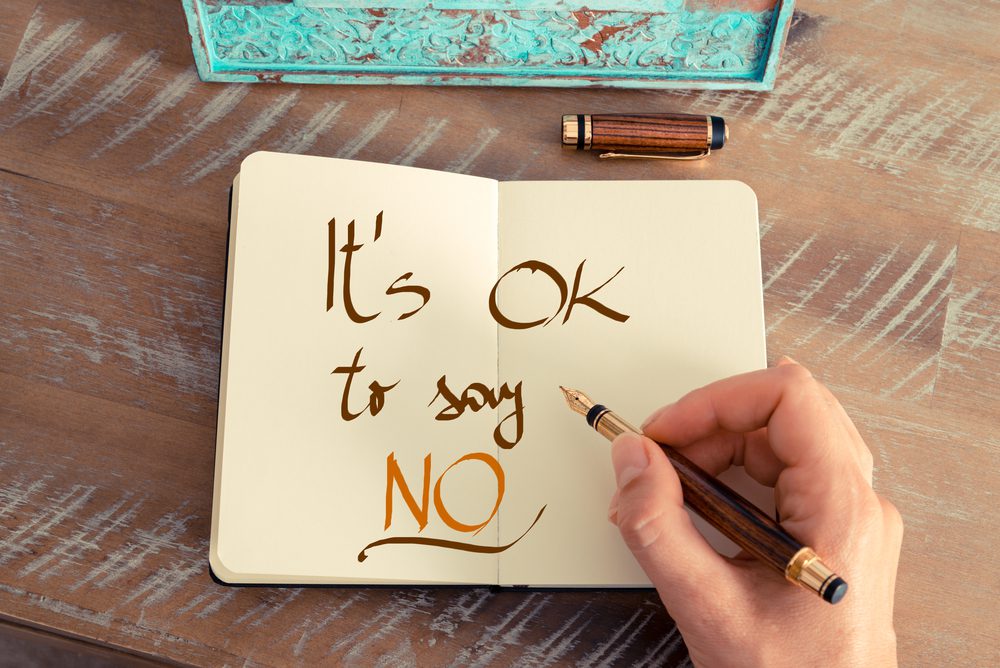
This second approach is not a guarantee that you’ll get what you want, but it opens the door for a real conversation instead of an argument. It’s a courageous act of vulnerability. Expressing your feelings is the first step in building healthier emotional connections and a key practice in the psychology of living a life with fewer regrets.

Your Next Step: This week, identify one small feeling you’ve been holding back in a safe relationship. It doesn’t have to be a big conflict. It could be as simple as telling a loved one, “I felt really happy when you sent that old photo,” or “I feel a bit overwhelmed today and could use some quiet time.” Practice putting your feeling into words.

Pages: 1 2 3 4 5 6 7 8

Share this article

Facebook Twitter Pinterest LinkedIn Email

Leave a Reply Cancel reply

Your email address will not be published. Required fields are marked *

Search

Latest Posts

  • A mixed-media collage of a fragmented silhouette head with an anchor being cut, symbolizing the loss of one's grip on reality. 10 Signs Someone Is Trying to Distort Your Reality
  • A mixed media collage of a beautiful white flower with hidden barbed wire roots and thorny stems on a textured vintage paper background. 8 Behaviors That Reveal Hidden Toxicity
  • A candid photo of a couple in a dim living room, showing a sense of emotional distance and unspoken tension. 10 Traits That May Reveal Covert Narcissism
  • A couple sits on a sofa in a dimly lit room, one person looking at a phone while the other looks away, capturing a moment of secrecy. 8 Signs Someone May Be Hiding More Than They Admit
  • An ink and watercolor illustration of a human head cracking like stone, with golden light leaking through the fissures. 11 Small Clues That Can Expose a Lie
  • An abstract editorial illustration of a silhouette with a tangled nest of lines inside its head, symbolizing mental confusion. 8 Warning Signs Someone May Be Playing Mind Games
  • A mixed media collage of a silhouette filled with torn paper and translucent layers, symbolizing the invisible nature of emotional neglect. 10 Traits of People Emotionally Neglected as Kids
  • A mixed-media collage showing a rigid, golden silhouette with cracks revealing a soft, watercolor interior, representing performative armor. 7 Behaviors People Mistake For Confidence But Aren’t
  • A woman sits alone at a kitchen table in dim evening light while her partner stands in the background, illustrating emotional distance. 9 Psychological Reasons Why People Stay in Unhappy Relationships
  • An illustration of a person using a prism to turn a chaotic blue wave into a clear spectrum of distinct colors. 10 Signs You Have Exceptionally High Emotional Intelligence

Newsletter

Get the latest posts delivered to your inbox.

Related Articles

Family Trauma Survivor

Family Trauma Survivors: 15 Personality Traits They ALL Share

The need to over-explain In an environment where emotions lead to punishment or lead to…

Read More →
love

6 Of Hollywood’s Most Famous Love Triangles

We all know this already: dating is hard. We’ve been through it, we have experienced…

Read More →
perfectionists traits

Are You a Perfectionist? 8 Signs That Confirms It

1. Being highly critical Being overly critical is one of the most common perfectionist traits.…

Read More →

28 Fascinating Facts About Love

While being in a relationship is not always very easy, it’s definitely a feeling worth…

Read More →
habits, relationship breakup

22 Amazing Everyday Habits That Will Help You Look Younger

We wish there would be a magic trick to instantly make you look younger, but…

Read More →

Empty Nest: 24 Surprising Things No One Tells You About It

Did you think about how you will cope with having an empty nest? Parents adore…

Read More →
habit-people-not-loved-1

18 Common Habits Indicating You Weren’t Loved During Childhood

Children deserve the best in the world; but it’s not the toys, the holidays, or…

Read More →
Introvert-Friendly Life Lesson

9 Introvert-Friendly Life Lessons You Can Learn for Personal Growth

Transform your life with these introvert-friendly life lessons! Extroverts usually take center stage in business,…

Read More →
True Crime

7 Psychological Reasons We Love True Crime Shows

Can there be a psychological reason you love true crime so much? From sneaking in…

Read More →

Psychology Diary

The First Step Toward Change Is Awareness

Inedit Agency S.R.L.
Bucharest, Romania

contact@psychologydiary.com

Explore

  • About Us
  • Advertiser Disclosure
  • Contact Us
  • Disclaimer
  • Do not sell my personal information
  • Editorial Policy
  • Frequently Asked Questions
  • Privacy Policy
  • Terms and Conditions
  • Subscribe
  • Unsubscribe

Categories

  • Expert Tips
  • Family
  • Life
  • Marriage
  • Mental Health

© 2026 Psychology Diary. All rights reserved.