Psychology Diary

The First Step Toward Change Is Awareness

  • Home
  • Relationships
  • Mental Health
  • Expert Tips
  • Life
  • Family
  • Marriage

8 Things Narcissists Say to Keep You Under Control

February 8, 2026 · Relationships

You know the feeling. The conversation starts normally, but suddenly the ground shifts. You find yourself apologizing for things you didn’t do, questioning your own memory, or feeling a heavy knot of guilt in your stomach. This isn’t just a “bad argument.” It is often a calculated psychological maneuver.

Research indicates that emotional abuse is alarmingly common, with the Centers for Disease Control and Prevention (CDC) reporting that approximately 48% of women and men have experienced psychological aggression by an intimate partner. For those in relationships with individuals exhibiting narcissistic traits or Narcissistic Personality Disorder (NPD), language is more than communication—it is a tool for control.

Narcissistic manipulation operates on a cycle of idealization, devaluation, and control. By decoding the specific phrases used during these stages, you can stop blaming yourself and start seeing the dynamic for what it is.

Here are eight common things narcissists say to maintain power, along with the psychology behind why they work.
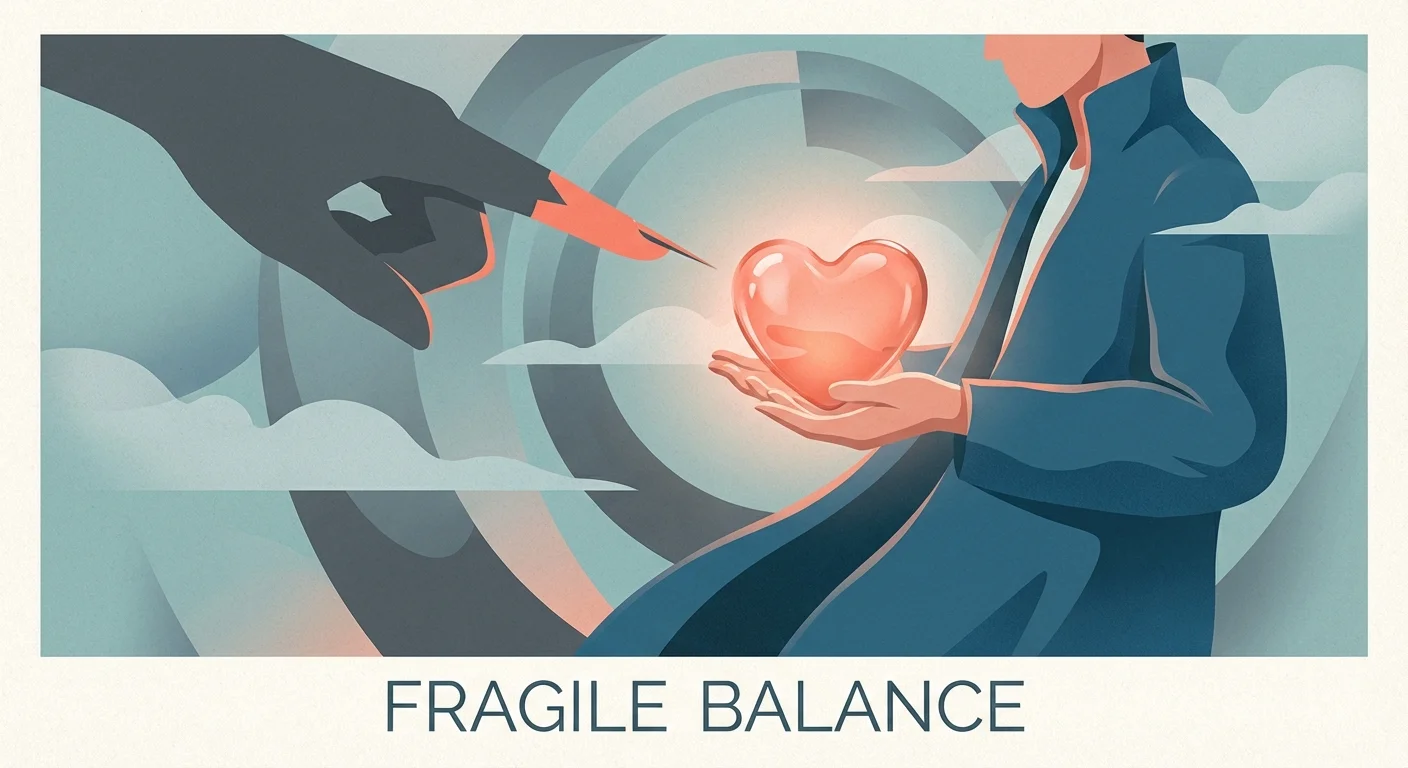
A delicate glass heart being threatened by a sharp needle in a conceptual art style.
A sharp finger points at a glowing heart held in open hands, symbolizing the delicate balance of emotional vulnerability.

1. “You’re Just Too Sensitive”

The Tactic: Invalidation

This is perhaps the most ubiquitous phrase in the narcissist’s arsenal. When you express hurt, disappointment, or anger regarding their behavior, they don’t address your concern. Instead, they attack your reaction to it.

Why It Works: Psychologically, this is a form of minimization. By labeling your emotions as “too much” or “irrational,” they successfully shift the focus from their actions to your psychological state. Over time, this leads to self-doubt, where you begin to suppress your own intuition.

The Reality: Your feelings are a biological signal that a boundary has been crossed.

Actionable Insight: Do not defend your sensitivity. Instead, re-center the conversation on the event. Try saying: “My feelings are not up for debate. We are discussing what you said/did.”


Pages: 1 2 3 4 5 6 7 8 9 10

Share this article

Facebook Twitter Pinterest LinkedIn Email

Leave a Reply Cancel reply

Your email address will not be published. Required fields are marked *

Search

Latest Posts

  • Lonely1, feel depression 10 Therapist-Approved Tips for When You're Feeling Lonely
  • A conceptual mixed media collage with a compass, geometric shapes, and watercolor washes symbolizing structure and flow. 8 Signs You’re a Self-Disciplined Person
  • A mixed media collage of a figure made of layered paper and watercolor, symbolizing emotional flexibility and resilience. 12 Signs You're Mentally Stronger Than You Realize
  • A mixed media collage of a person's face with shifting, layered textures and torn paper edges symbolizing a mental break. 10 Signs of a Psychotic Break
  • A conceptual illustration showing a father and daughter separated by a deep chasm in the floor of their dining room. 10 Habits That Push People Away (Your Children Too)
  • A conceptual collage of a head silhouette filled with shattered mirrors and warped photos, symbolizing reality distortion. 8 Ways People Distort Reality
  • An elderly woman sits alone at a dining table in soft afternoon light, looking down at a tea cup in a quiet, nostalgic home setting. 9 Emotional Wounds Adult Children Simply Don’t Realize They’re Inflicting On Their Parents
  • A mixed-media collage of a fragmented silhouette head with an anchor being cut, symbolizing the loss of one's grip on reality. 10 Signs Someone Is Trying to Distort Your Reality
  • A mixed media collage of a beautiful white flower with hidden barbed wire roots and thorny stems on a textured vintage paper background. 8 Behaviors That Reveal Hidden Toxicity
  • A candid photo of a couple in a dim living room, showing a sense of emotional distance and unspoken tension. 10 Traits That May Reveal Covert Narcissism

Newsletter

Get the latest posts delivered to your inbox.

Related Articles

A candid photo of a couple in a dim living room, showing a sense of emotional distance and unspoken tension.

10 Traits That May Reveal Covert Narcissism

Learn to identify the subtle, hidden signs of covert narcissism—from passive-aggressive hostility to the martyr…

Read More →
Narcissist psychopaths

Are YOU Married to a Narcissist? Here’s What to Do!

The Silent Pain of Narcissistic Marriage Do you believe in love stories? The kind where…

Read More →
secret

10 Secrets that Women Wish Men Knew

A great partner isn’t just a great lover but a great friend as well, but…

Read More →
A conceptual illustration showing a father and daughter separated by a deep chasm in the floor of their dining room.

10 Habits That Push People Away (Your Children Too)

Discover ten common communication habits that damage emotional safety and learn research-backed strategies to rebuild…

Read More →

10 Ways in Which Stress Can Damage Your Relationship

Stress is a word that defines most people’s lives right now. So no, you’re not…

Read More →

The Best Tips on How to End a Long-Term Relationship Properly

Having to break up with someone is not an easy task. In fact, a lot…

Read More →
things narcissists do after a breakup, men say no to intimacy

Evil but Common Things Narcissists Do After a Breakup

You’ve been dating a narcissist? These are the common things narcissists do after a breakup.…

Read More →
attachment

Attachment Styles and Their Powerful Role in Adult Relationships

What does “attachment” mean? You probably think a lot about the fact that “we need…

Read More →
dream about your ex dreams

7 Intriguing Reasons You Dream About Your Ex

Do you dream about your ex? When I first got into my first serious relationship,…

Read More →

Psychology Diary

The First Step Toward Change Is Awareness

Inedit Agency S.R.L.
Bucharest, Romania

contact@psychologydiary.com

Explore

  • About Us
  • Advertiser Disclosure
  • Contact Us
  • Disclaimer
  • Do not sell my personal information
  • Editorial Policy
  • Frequently Asked Questions
  • Privacy Policy
  • Terms and Conditions
  • Subscribe
  • Unsubscribe

Categories

  • Expert Tips
  • Family
  • Life
  • Marriage
  • Mental Health

© 2026 Psychology Diary. All rights reserved.