Psychology Diary

The First Step Toward Change Is Awareness

  • Home
  • Relationships
  • Mental Health
  • Expert Tips
  • Life
  • Family
  • Marriage

6 Damaging After Effects of Emotional Abuse

April 21, 2023 · Mental Health
Emotional Abuse
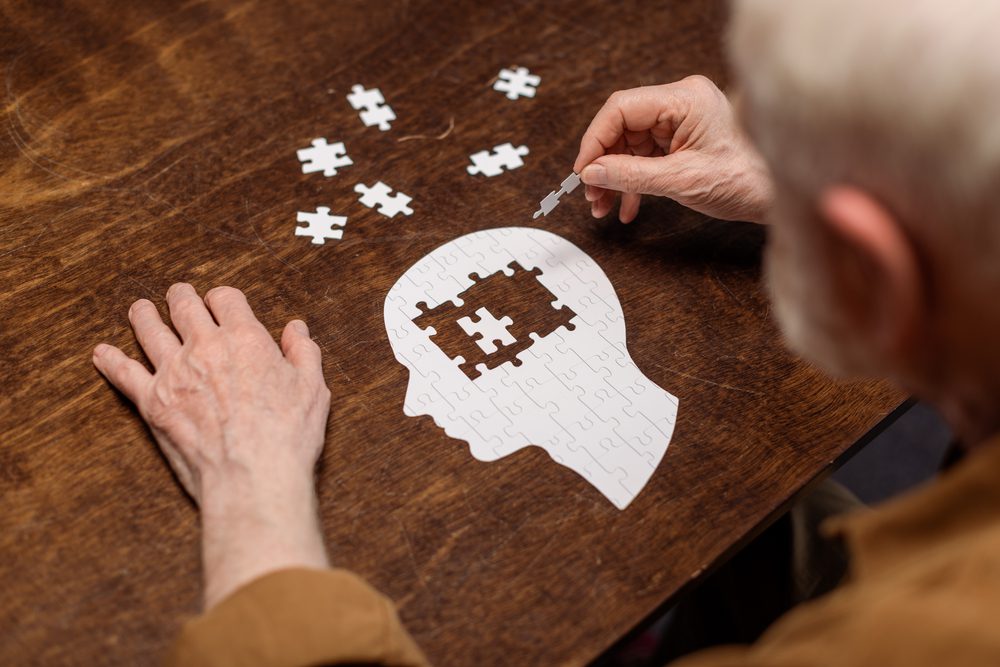
Photo by PrinceOfLove at Shutterstock

Nightmares And Sleep Disorders

Dealing with trauma from emotional abuse doesn’t stop when it’s time for bed. You might spend hours on end in bed meditating on someone’s abusive behavior or reliving painful scenes in your head.

When you’re sleep-deprived, you have less energy to deal with the abuse, and your overall well-being and mood suffer, making you an easy target for more abuse, which keeps you awake when you desperately need rest.

And even if you’re able to fall asleep, the trauma doesn’t just switch off when you zonk out. Your brain will want to keep figuring this out. And since you can’t control or shut off the subconscious video loop, you relive the trauma in new ways.

The nightmares might stay with you even after you end an abusive relationship and can easily be associated with post-traumatic stress disorder.


Pages: 1 2 3 4 5 6 7 8 9

Share this article

Facebook Twitter Pinterest LinkedIn Email

Leave a Reply Cancel reply

Your email address will not be published. Required fields are marked *

Search

Latest Posts

  • An editorial gouache illustration of an anonymous leader's profile silhouette filled with abstract patterns, representing public perception. The Psychology of Donald Trump: Traits, Behaviors, and Public Perception
  • An artistic mixed-media collage silhouette of a person filled with tangled threads, a clock dial, and watercolor shapes on textured paper. 9 Everyday Symptoms That May Be Linked to Anxiety
  • Lonely1, feel depression 10 Therapist-Approved Tips for When You're Feeling Lonely
  • A conceptual mixed media collage with a compass, geometric shapes, and watercolor washes symbolizing structure and flow. 8 Signs You’re a Self-Disciplined Person
  • A mixed media collage of a figure made of layered paper and watercolor, symbolizing emotional flexibility and resilience. 12 Signs You're Mentally Stronger Than You Realize
  • A mixed media collage of a person's face with shifting, layered textures and torn paper edges symbolizing a mental break. 10 Signs of a Psychotic Break
  • A conceptual illustration showing a father and daughter separated by a deep chasm in the floor of their dining room. 10 Habits That Push People Away (Your Children Too)
  • A conceptual collage of a head silhouette filled with shattered mirrors and warped photos, symbolizing reality distortion. 8 Ways People Distort Reality
  • An elderly woman sits alone at a dining table in soft afternoon light, looking down at a tea cup in a quiet, nostalgic home setting. 9 Emotional Wounds Adult Children Simply Don’t Realize They’re Inflicting On Their Parents
  • A mixed-media collage of a fragmented silhouette head with an anchor being cut, symbolizing the loss of one's grip on reality. 10 Signs Someone Is Trying to Distort Your Reality

Newsletter

Get the latest posts delivered to your inbox.

Related Articles

self-soothing,

9 Self-Soothing Methods to Help You Regain Balance

Some of The Best Self-Soothing Tactics out There! Let’s face it: We all have moments…

Read More →
burnout, causes and symptoms

Burnout: Causes and Symptoms explained by Psychologists

What is burnout? Causes and symptoms are presented and explained by psychologists in the following…

Read More →
Two hands clasped together, showing support.

How to Support a Partner or Friend Experiencing a Mental Health Crisis

Practical Support in the Moment: Co-Regulation and Grounding During a moment of high anxiety, panic,…

Read More →
dementia

7 Subtle Signs Your Spouse Has Dementia

4. They have trouble with money management Your electricity bill comes in, and you see…

Read More →
brain

10 Strategies To Fight Brain Aging and Boost Your Cognitive Health

So you’ve noticed some changes in your memory and thinking. Perhaps you often misplace your…

Read More →
midlife crisis

7 Alarming Signs You’re Going Through a Midlife Crisis

What is a midlife crisis, and how can you manage it?  You get to “that…

Read More →
An older woman in a knit sweater sits on a porch at dawn, holding a steaming mug and looking thoughtfully at a misty garden.

The Power of Gratitude: How Seniors Can Use It to Live Happier Lives

Discover how a daily gratitude practice can help seniors improve mental well-being, protect cognitive health,…

Read More →
paranoia after 60

5 Subtle Signs of Paranoia After 60, According to Psychiatrists

They have a self-consciousness to the point of grandiosity The kind of self-consciousness that we’re…

Read More →
A man in his 60s working with clay in a pottery studio, symbolizing the transition from a career to a new personal purpose.

How to Rebuild Your Identity and Purpose After You Stop Working

Discover actionable, research-backed strategies to rebuild your identity, navigate emotional transitions, and find genuine purpose…

Read More →

Psychology Diary

The First Step Toward Change Is Awareness

Inedit Agency S.R.L.
Bucharest, Romania

contact@psychologydiary.com

Explore

  • About Us
  • Advertiser Disclosure
  • Contact Us
  • Disclaimer
  • Do not sell my personal information
  • Editorial Policy
  • Frequently Asked Questions
  • Privacy Policy
  • Terms and Conditions
  • Subscribe
  • Unsubscribe

Categories

  • Expert Tips
  • Family
  • Life
  • Marriage
  • Mental Health

© 2026 Psychology Diary. All rights reserved.