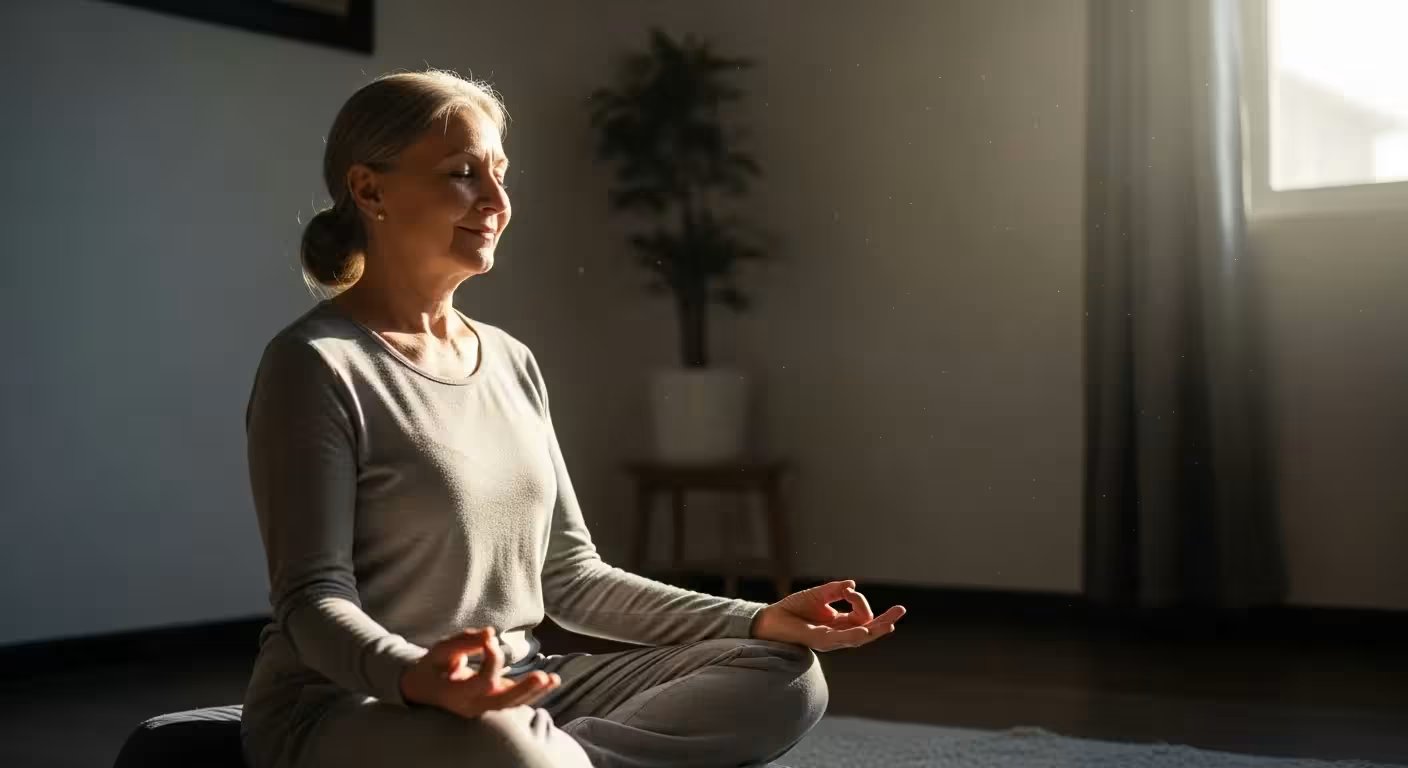
Psychology Diary

The First Step Toward Change Is Awareness

  • Home
  • Relationships
  • Mental Health
  • Expert Tips
  • Life
  • Family
  • Marriage

Understanding Common Mental Health Challenges in Older Adults

August 31, 2025 · Mental Health

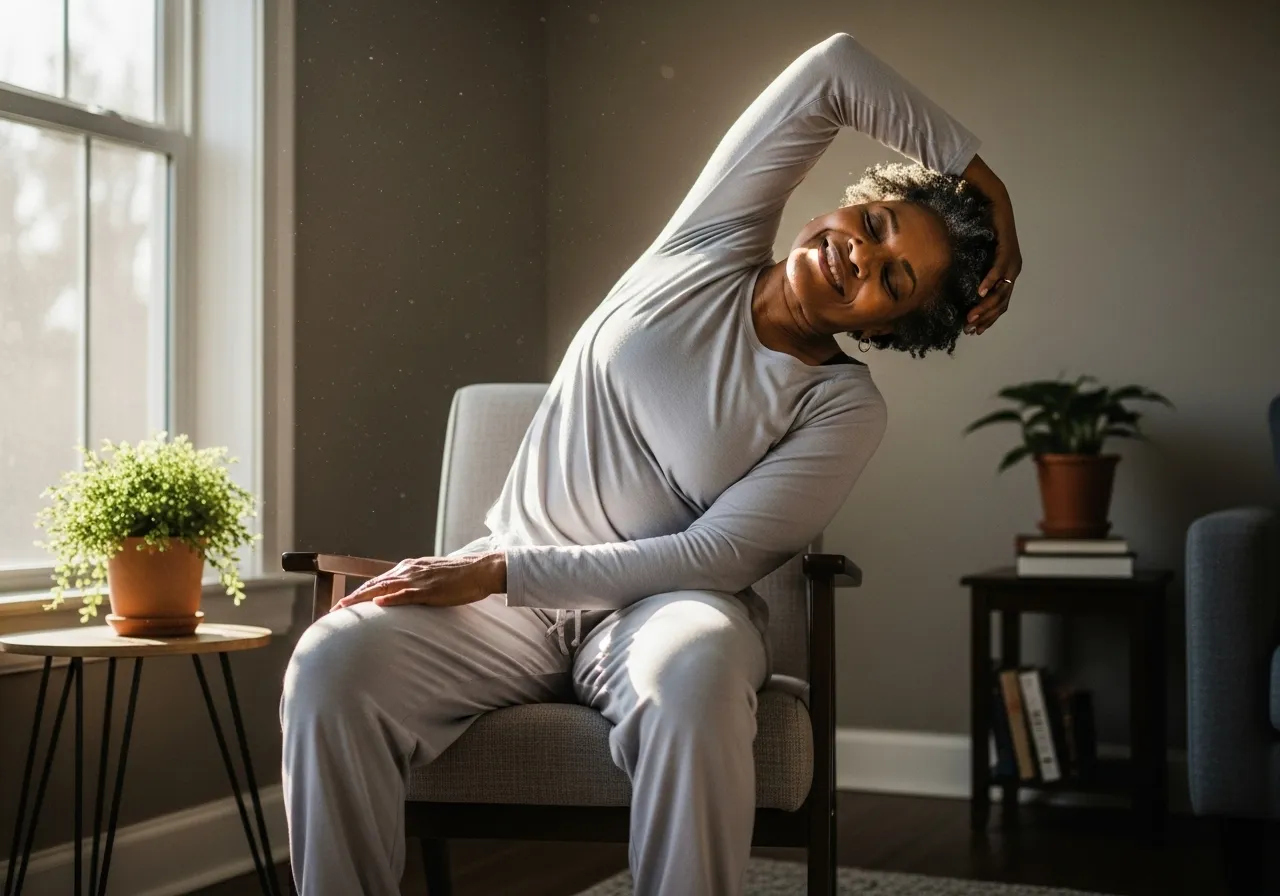
Senior woman practicing chair yoga at home.

Practical Self-Care Strategies You Can Start Today

Building a foundation of mental well-being involves small, consistent daily practices. These are not cures, but they are powerful tools that support your emotional resilience and create a buffer against stress. Choose one that feels manageable and begin there.

Gentle Movement

You don’t need to run a marathon to reap the mental health benefits of exercise. The goal is gentle, consistent movement. Physical activity releases endorphins, which are natural mood elevators, and it can reduce stress hormones. Consider trying:

A daily walk: Start with just 10 minutes. Walk outside if possible, as exposure to natural light also helps regulate your sleep-wake cycle and can boost mood.

Chair yoga: There are countless free videos online designed for seniors that guide you through gentle stretches and poses you can do while seated, improving flexibility and calm.

Stretching: Simply taking 5 minutes in the morning to gently stretch your arms, legs, and back can relieve physical tension and start your day with mindful movement.

Social Connection

Loneliness is toxic to mental health. Intentionally nurturing your social connections is a powerful act of self-care. It’s about quality, not quantity.

Schedule a call: Don’t wait for the phone to ring. Pick one person—a friend, a grandchild, a neighbor—and schedule a short phone or video call each week.

Join a group: Local libraries, community centers, and places of worship often have book clubs, walking groups, or volunteer opportunities. Finding a shared interest is a wonderful way to meet new people.

A simple “hello”: Even small moments of connection matter. Make eye contact and say hello to the mail carrier or the cashier at the grocery store. These brief interactions remind us that we are part of a community.

Mindfulness and Purpose

Finding a sense of purpose is a key ingredient of well-being at any age. It doesn’t have to be a grand gesture. Purpose can be found in small, daily activities.

Engage a hobby: Reconnect with something you used to love or try something new. It could be knitting, woodworking, puzzles, or listening to music. The act of engaging in a focused, enjoyable activity is a form of mindfulness.

Simple mindfulness: You don’t need to meditate for an hour. Try a one-minute mindfulness exercise. While drinking your morning coffee or tea, focus all your attention on the experience—the warmth of the mug, the aroma, the taste. When your mind wanders, gently bring it back. This simple practice trains your brain to focus on the present.


Pages: 1 2 3 4 5 6 7 8 9 10

Share this article

Facebook Twitter Pinterest LinkedIn Email

Leave a Reply Cancel reply

Your email address will not be published. Required fields are marked *

Search

Latest Posts

  • Lonely1, feel depression 10 Therapist-Approved Tips for When You're Feeling Lonely
  • A conceptual mixed media collage with a compass, geometric shapes, and watercolor washes symbolizing structure and flow. 8 Signs You’re a Self-Disciplined Person
  • A mixed media collage of a figure made of layered paper and watercolor, symbolizing emotional flexibility and resilience. 12 Signs You're Mentally Stronger Than You Realize
  • A mixed media collage of a person's face with shifting, layered textures and torn paper edges symbolizing a mental break. 10 Signs of a Psychotic Break
  • A conceptual illustration showing a father and daughter separated by a deep chasm in the floor of their dining room. 10 Habits That Push People Away (Your Children Too)
  • A conceptual collage of a head silhouette filled with shattered mirrors and warped photos, symbolizing reality distortion. 8 Ways People Distort Reality
  • An elderly woman sits alone at a dining table in soft afternoon light, looking down at a tea cup in a quiet, nostalgic home setting. 9 Emotional Wounds Adult Children Simply Don’t Realize They’re Inflicting On Their Parents
  • A mixed-media collage of a fragmented silhouette head with an anchor being cut, symbolizing the loss of one's grip on reality. 10 Signs Someone Is Trying to Distort Your Reality
  • A mixed media collage of a beautiful white flower with hidden barbed wire roots and thorny stems on a textured vintage paper background. 8 Behaviors That Reveal Hidden Toxicity
  • A candid photo of a couple in a dim living room, showing a sense of emotional distance and unspoken tension. 10 Traits That May Reveal Covert Narcissism

Newsletter

Get the latest posts delivered to your inbox.

Related Articles

Early Psychotic Sign

10 Early Psychotic Signs You Need Therapy Right Now

If you have a difficult time recognizing the difference between what’s real and what isn’t,…

Read More →
Depression

Dating With Depression: 10 Smart Tips to Conquer This Disorder

If you thought dating is hard, dating with depression is a whole new challenge. More…

Read More →
sabotage yourself

6 Terrible Ways You Sabotage Yourself (and How to Stop It)

Do you sabotage yourself? See here what it means and why it happens to so…

Read More →
paranoia after 60

5 Subtle Signs of Paranoia After 60, According to Psychiatrists

Someone is always threatening their lives Paranoia after 60 also implies playing the victim role.…

Read More →
Conceptual paper-craft illustration of a brain with glowing neural pathways and botanical growth representing cognitive health.

The Link Between Physical Activity and Mental Sharpness After 60

Discover how combining aerobic and resistance training can actively rewire your brain, increase BDNF levels,…

Read More →
Aging

5 Negative Ways Aging Seriously Impacts a Senior’s Mental Health

Memory And Learning It’s a widespread opinion that as the brain ages, a person’s capacity…

Read More →
A senior woman in a sunlit room excitedly examines a green leaf through a magnifying glass, surrounded by plants and gardening tools.

Why Seniors Who Stay Curious Live Longer—And How to Cultivate It

Discover the psychological and neurological reasons why staying curious helps older adults live longer, along…

Read More →
alcohol

9 Subtle Signs You’re Already an Alcoholic

Alcohol use disorder (AUD) happens when an individual drinks way too often and in large…

Read More →
An elderly man sits alone at a kitchen table in soft afternoon light while his adult daughter watches from the doorway with concern.

Why Some People Become More Difficult With Age—According to Psychologists

Discover the psychological, neurological, and emotional reasons why some people become more difficult with age,…

Read More →

Psychology Diary

The First Step Toward Change Is Awareness

Inedit Agency S.R.L.
Bucharest, Romania

contact@psychologydiary.com

Explore

  • About Us
  • Advertiser Disclosure
  • Contact Us
  • Disclaimer
  • Do not sell my personal information
  • Editorial Policy
  • Frequently Asked Questions
  • Privacy Policy
  • Terms and Conditions
  • Subscribe
  • Unsubscribe

Categories

  • Expert Tips
  • Family
  • Life
  • Marriage
  • Mental Health

© 2026 Psychology Diary. All rights reserved.