Psychology Diary

The First Step Toward Change Is Awareness

  • Home
  • Relationships
  • Mental Health
  • Expert Tips
  • Life
  • Family
  • Marriage

The Complete Guide to Understanding and Managing Anxiety After 50

August 31, 2025 · Mental Health

Woman deep in thought in quiet room.

What Is Anxiety and Why Does It Feel Different After 50?

At its core, anxiety is your body’s natural alarm system. It’s a response to stress or perceived danger that releases hormones like adrenaline to prepare you to face a threat—the “fight-or-flight” response. This is helpful if you need to slam on the brakes to avoid a car accident. However, for many people, this alarm system can become overly sensitive. It can start going off when there is no immediate, real danger, leaving you in a prolonged state of high alert. That persistent feeling of dread, worry, and physical tension is what we often refer to as an anxiety disorder.

It’s important to distinguish between occasional worry, which is a normal part of life, and a more persistent anxiety condition. Worry is often tied to a specific problem and can lead to solutions. Anxiety, on the other hand, tends to be more diffuse and persistent. It can feel like a free-floating sense of unease that latches onto one concern after another, making it hard to relax or feel safe.

For adults over 50, the triggers and expression of anxiety can be unique. The significant life transitions that often occur during these years can create a perfect storm for worry to take hold. Common contributing factors for late-life anxiety include:

Health Concerns: A new medical diagnosis, managing a chronic illness, or the fear of falling can create constant background stress. The physical symptoms of anxiety—like a racing heart or shortness of breath—can also be mistaken for serious medical problems, creating a vicious cycle of fear.

Grief and Loss: Losing a spouse, close friends, or siblings is a profound and painful reality. Grief itself can manifest with anxiety-like symptoms, and the loss of a key support person can leave you feeling vulnerable and alone.

Changes in Roles and Identity: Retirement can be a wonderful new chapter, but it can also involve the loss of a professional identity, a daily routine, and a social network. This can lead to questions like, “Who am I now?” and “What is my purpose?”

Financial Worries: Moving onto a fixed income, managing retirement savings, and worrying about unexpected healthcare costs are significant stressors that can fuel persistent anxiety about the future.

Social Isolation: As mobility changes or friends and family move away, loneliness can become a major issue. A lack of regular social connection is a significant risk factor for both anxiety and depression.

Caregiving Stress: Acting as the primary caregiver for a spouse or parent is a demanding role that can take a heavy toll on one’s own mental and physical health. The constant worry about another person’s well-being can easily trigger an anxiety response.

Understanding these unique triggers is not about dwelling on the negative. It’s about validating your experience. Naming the source of your stress can reduce its power and is the first step toward finding targeted, effective solutions that fit your life right now.


Pages: 1 2 3 4 5 6 7 8 9 10 11

Share this article

Facebook Twitter Pinterest LinkedIn Email

Leave a Reply Cancel reply

Your email address will not be published. Required fields are marked *

Search

Latest Posts

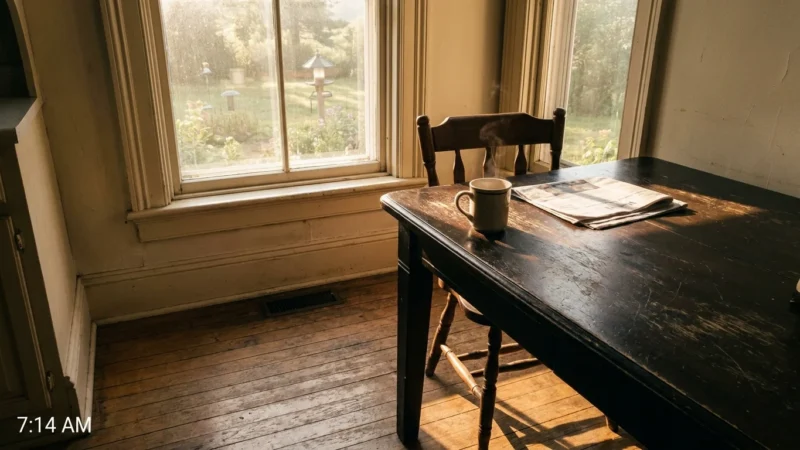
  • A single coffee mug on a wooden table next to an empty chair in a sunlit kitchen, representing the quiet of loss. How to Cope with Grief After Losing a Spouse in Retirement
  • An older woman in a knit sweater sits on a porch at dawn, holding a steaming mug and looking thoughtfully at a misty garden. The Power of Gratitude: How Seniors Can Use It to Live Happier Lives
  • A senior woman sits alone on her sofa in warm afternoon light, looking out the window with a pensive and slightly anxious expression. Why Anxiety in Seniors Is Often Overlooked—and How to Get Help
  • 8 Simple Ways to Boost Your Mood Every Day After 60 8 Simple Ways to Boost Your Mood Every Day After 60
  • A woman in her 60s sits thoughtfully in a sunlit living room with a mug of tea, reflecting on connection and solitude. Why Loneliness Hits Harder After 60—and How to Fix It
  • Two people sitting on a sofa in a quiet, sunlit living room, showing a moment of supportive connection and listening. 9 Things You Should NEVER Say to Someone With Anxiety
  • A tense, high-contrast conversation between two people in a minimalist setting. 5 Body Language Secrets That Reveal Someone Is Lying to You
  • A woman sitting thoughtfully by a window in a soft-lit, modern living room. 8 Signs You Were Raised by an Emotionally Unavailable Parent
  • Surreal illustration of a person looking into a mirror that reflects a golden labyrinth, symbolizing internal complexity. The 6 Most Dangerous Lies We Tell Ourselves Every Day
  • A woman in a peaceful, sunlit room embodying emotional clarity and calm. 10 Things Emotionally Intelligent People NEVER Do

Newsletter

Get the latest posts delivered to your inbox.

Related Articles

Watch Out: 5 Bipolar Disorder Signs

How to Spot Bipolar Disorder — 5 Subtle Signs You Should Look Out For! Did…

Read More →
smartphones affect our brains

Smartphones Seriously Affect Seniors’ Brains, Research Says

We use them every day, but the truth is that smartphones affect our brains! According…

Read More →
Narcissist psychopaths

Psychopaths Do These 9 Things

We can all agree that psychopathy is a widely debated topic as far as psychology…

Read More →
focus

Struggling to Focus? Here Are 5 Reasons Why

Unable to focus? Find out why! Not being able to focus on your tasks is…

Read More →
anxiety, relationship, stress

These Are the 6 Types of Anxiety Disorders

#1 Generalized Anxiety Disorder A continuous sense of dread or anxiety that interferes with daily…

Read More →
Parkinson's

Parkinson’s Disease: 8 Early Warning Signs to Look For

Knowing the early signs of Parkinson’s disease is beneficial, so you know what to look…

Read More →
how to stop catastrophizing

5 Tips to Help You Stop Catastrophizing

Do you want to know how to stop catastrophizing? This can be a really helpful…

Read More →
memory

Forgot Something? Don’t Worry – These 7 Memory Problems Are Normal

Sometimes, we all forget things. Maybe you need to find your keys or remember the…

Read More →
depression anxiety

Depression vs. Anxiety: Which One Do You Have?

How can you tell if you have depression or anxiety? Two examples of mood disorders…

Read More →

Psychology Diary

The First Step Toward Change Is Awareness

Inedit Agency S.R.L.
Bucharest, Romania

contact@psychologydiary.com

Explore

  • About Us
  • Advertiser Disclosure
  • Contact Us
  • Disclaimer
  • Do not sell my personal information
  • Editorial Policy
  • Frequently Asked Questions
  • Privacy Policy
  • Terms and Conditions
  • Subscribe
  • Unsubscribe

Categories

  • Expert Tips
  • Family
  • Life
  • Marriage
  • Mental Health

© 2026 Psychology Diary. All rights reserved.