Psychology Diary

The First Step Toward Change Is Awareness

  • Home
  • Relationships
  • Mental Health
  • Expert Tips
  • Life
  • Family
  • Marriage

The Psychology of Human Connection: Why We Need It More as We Age

August 31, 2025 · Relationships

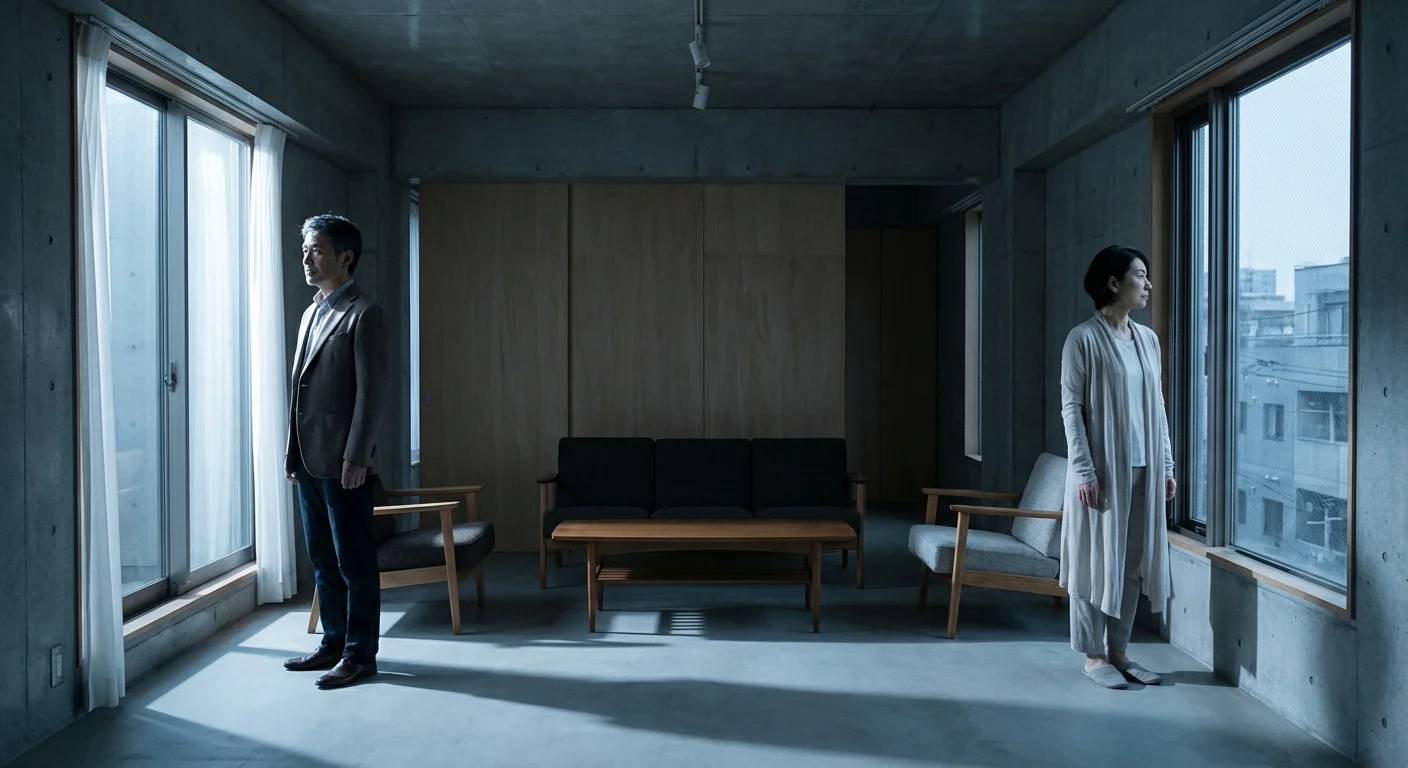
Close-up of one hand pulling away from another

The Unseen Architecture of Connection: What Science Tells Us

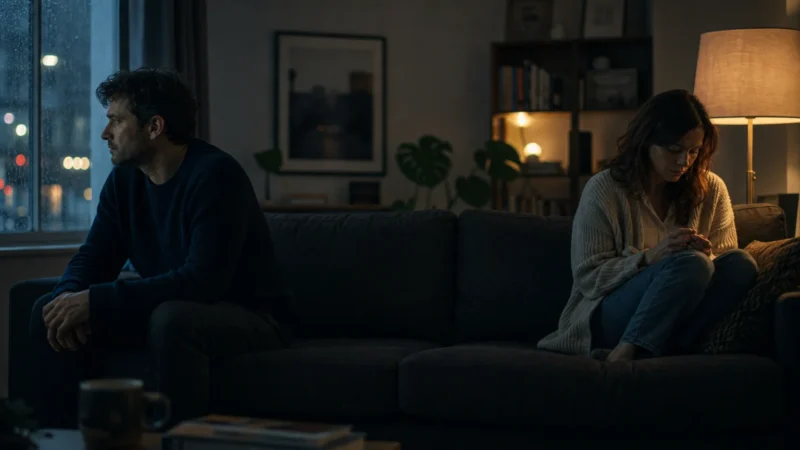
Why does a feeling of disconnection with a partner hurt so much? The answer lies deep within our biology. Humans are wired for connection. From birth, our survival depends on forming secure bonds with caregivers. This fundamental need doesn’t just disappear when we become adults. Our romantic partner often becomes our primary “attachment figure,” the person we turn to for comfort, safety, and support. When that bond feels frayed, our nervous system can interpret it as a threat, triggering feelings of anxiety, sadness, or even panic.

This isn’t just a feeling; it has tangible health consequences. A growing body of research, much of it supported by institutions like the National Institute on Aging (NIA), highlights the profound link between social connection and senior health. Chronic loneliness has been associated with an increased risk of high blood pressure, heart disease, cognitive decline, and a weakened immune system. Conversely, strong social bonds, especially with a spouse, can act as a powerful buffer against stress. Feeling understood and supported helps regulate stress hormones like cortisol, which, when elevated for long periods, can cause inflammation and other health problems.

The health benefits of social interaction for seniors are not built on grand gestures. They are forged in the small, everyday moments. Relationship researcher Dr. John Gottman calls these moments “bids for connection.” A bid is any attempt from one partner to another for attention, affirmation, or affection. It can be as simple as saying, “Look at that beautiful bird outside,” sharing a story from the newspaper, or reaching for their hand. How we respond to these tiny bids—by “turning toward” them with interest or “turning away” with disinterest—is what builds or erodes the trust and friendship at the heart of a lasting partnership. Over time, consistently turning toward each other’s bids fills an emotional bank account, creating a reserve of goodwill that helps you weather life’s inevitable storms together.

Pages: 1 2 3 4 5 6 7 8

Share this article

Facebook Twitter Pinterest LinkedIn Email

Leave a Reply Cancel reply

Your email address will not be published. Required fields are marked *

Search

Latest Posts

  • A single coffee mug on a wooden table next to an empty chair in a sunlit kitchen, representing the quiet of loss. How to Cope with Grief After Losing a Spouse in Retirement
  • An older woman in a knit sweater sits on a porch at dawn, holding a steaming mug and looking thoughtfully at a misty garden. The Power of Gratitude: How Seniors Can Use It to Live Happier Lives
  • A senior woman sits alone on her sofa in warm afternoon light, looking out the window with a pensive and slightly anxious expression. Why Anxiety in Seniors Is Often Overlooked—and How to Get Help
  • 8 Simple Ways to Boost Your Mood Every Day After 60 8 Simple Ways to Boost Your Mood Every Day After 60
  • A woman in her 60s sits thoughtfully in a sunlit living room with a mug of tea, reflecting on connection and solitude. Why Loneliness Hits Harder After 60—and How to Fix It
  • Two people sitting on a sofa in a quiet, sunlit living room, showing a moment of supportive connection and listening. 9 Things You Should NEVER Say to Someone With Anxiety
  • A tense, high-contrast conversation between two people in a minimalist setting. 5 Body Language Secrets That Reveal Someone Is Lying to You
  • A woman sitting thoughtfully by a window in a soft-lit, modern living room. 8 Signs You Were Raised by an Emotionally Unavailable Parent
  • Surreal illustration of a person looking into a mirror that reflects a golden labyrinth, symbolizing internal complexity. The 6 Most Dangerous Lies We Tell Ourselves Every Day
  • A woman in a peaceful, sunlit room embodying emotional clarity and calm. 10 Things Emotionally Intelligent People NEVER Do

Newsletter

Get the latest posts delivered to your inbox.

Related Articles

9 Signs Your Relationship Is Doomed

Will Your Relationship Stand The Test Of Time? In the ‘honeymoon phase’ when you’re madly…

Read More →
Psychopath Warning Sign

The No.1 Biggest Psychopath Warning Sign: Here’s How They Detect Vulnerability

Watch for these psychopath warning signs and avoid being a target! US Serial killer Ted…

Read More →
well-raised-children

5 Signs Grandparents Are the Hidden Heroes Behind Well-Raised Kids

Are well-raised kids a reflection of good grandparenting? Maybe this often gets overlooked, but grandparents…

Read More →
love languages

There Are 7 Love Languages: Which One Is Yours?

What are the seven love languages? Chances are you’ve heard of “love languages” and that…

Read More →

15 Useful Tips to Get Back Into Dating As a Senior

Dating as a senior doesn’t have to be difficult! There are many people out there,…

Read More →
divorce

8 Things You MUST Do To Avoid Divorce

1. Make connection a priority! Unfortunately, the spark between two people won’t last a long…

Read More →
partner

10 Signs Your Partner’s Family Doesn’t Like You

1. Where do you fit into their schedule? When people are more mature and are…

Read More →

The Most Common Signs That Indicate You’re In A Rebound Relationship

After breaking up with someone, you usually enter a phase filled with sadness and frustration…

Read More →
things to do when you go to therapy

Always Do These 5 Things Once You Start Going to Therapy

Here are the best things to do when you go to therapy! If you decide…

Read More →

Psychology Diary

The First Step Toward Change Is Awareness

Inedit Agency S.R.L.
Bucharest, Romania

contact@psychologydiary.com

Explore

  • About Us
  • Advertiser Disclosure
  • Contact Us
  • Disclaimer
  • Do not sell my personal information
  • Editorial Policy
  • Frequently Asked Questions
  • Privacy Policy
  • Terms and Conditions
  • Subscribe
  • Unsubscribe

Categories

  • Expert Tips
  • Family
  • Life
  • Marriage
  • Mental Health

© 2026 Psychology Diary. All rights reserved.