
Building a relationship online requires a delicate balance of vulnerability and vigilance. When you connect with someone through a screen, it is natural to fill the gaps in their identity with your own hopes and expectations. But as emotional intimacy grows, so does your vulnerability to deception. Spotting a false online identity—often called catfishing—is not about becoming chronically suspicious or interrogating every new connection. Instead, it is about recognizing the behavioral patterns that emerge when someone is hiding behind a curated, artificial persona. By understanding the psychological and logistical red flags of digital deception, you can protect your heart, your boundaries, and your finances while still remaining open to genuine connection.
The Psychology Behind Digital Deception
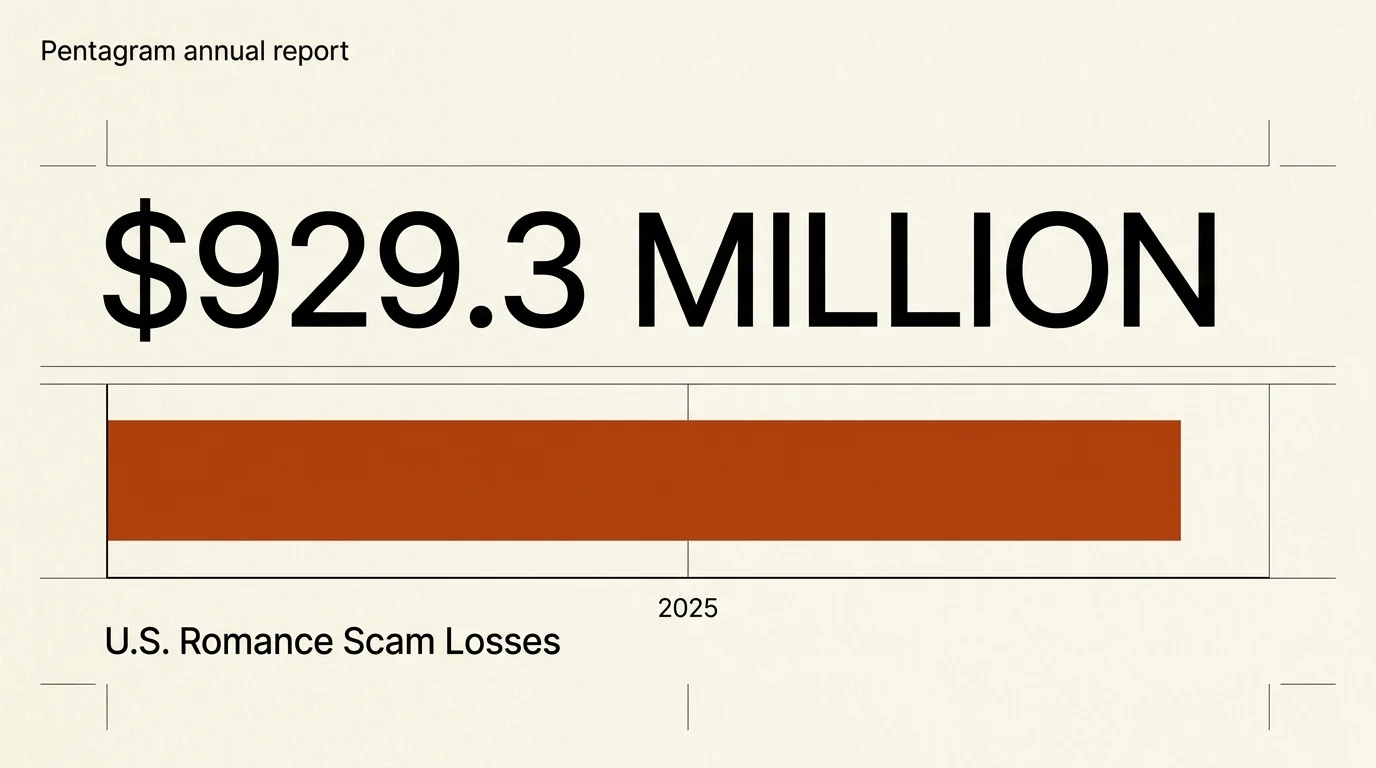
People create fabricated online identities for a myriad of reasons. While some individuals use false personas to explore different facets of their personality or hide deep-seated insecurities, a significant portion of catfishing is driven by financial or emotional exploitation. According to data from the FBI, victims in the United States lost $929.3 million to romance scams in 2025 alone. Fraudsters increasingly use sophisticated tactics, including artificial intelligence, to build rapport and extract money or sensitive information from well-meaning individuals.
Understanding the clues of a false identity requires looking beyond the surface of a profile picture. Deception leaves behavioral traces. By observing how a person communicates, manages conflict, and navigates boundaries, you can identify the subtle—and sometimes glaring—signs that the person on the other side of the screen is not who they claim to be.

1. They Push for Immediate, Intense Intimacy
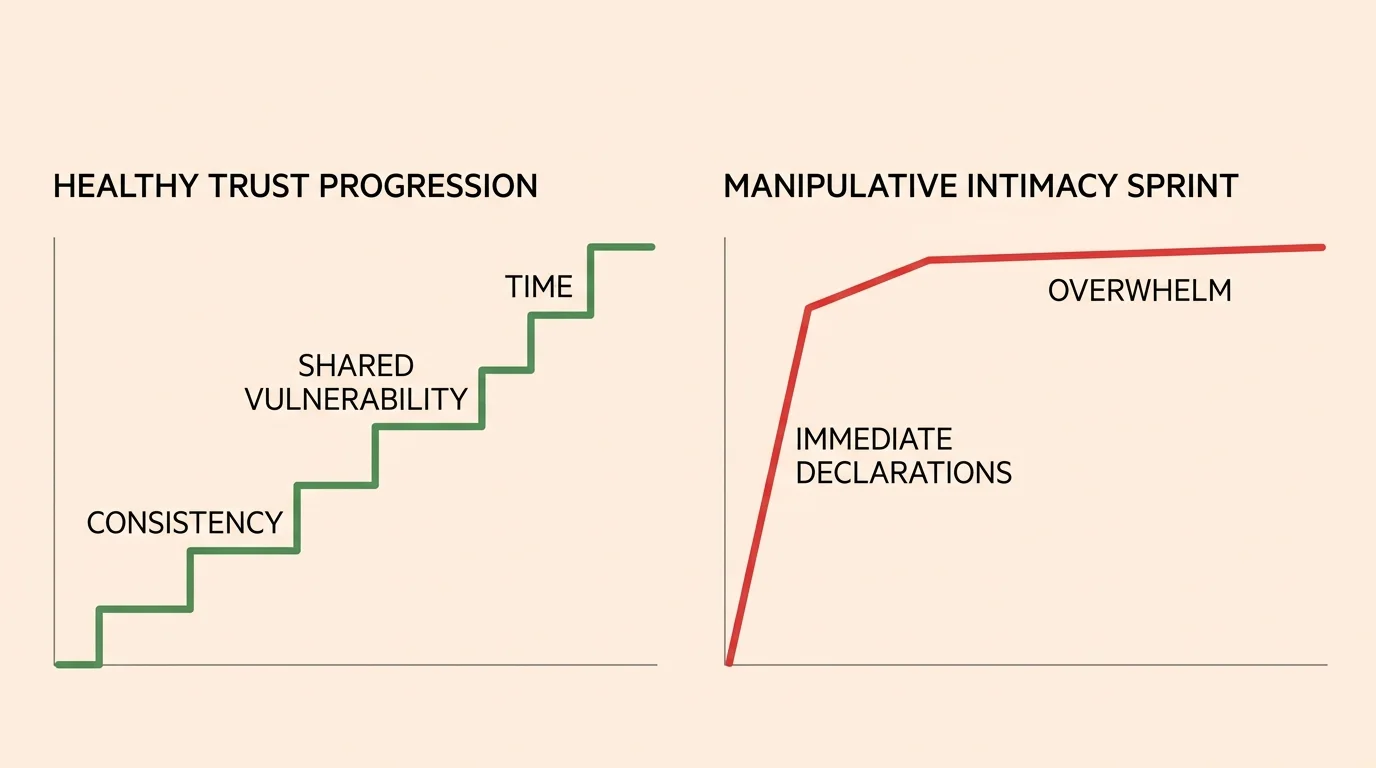
Authentic trust takes time to build. It requires shared experiences, gradual vulnerability, and consistent behavior over months or years. If someone declares profound love, calls you their soulmate, or plans a detailed future with you after only a few days of chatting, you are likely experiencing a manipulative tactic known as love bombing.
Love bombing is designed to overwhelm your logical defenses. By flooding your brain with dopamine and affection, a deceiver creates a rapid, intense emotional bond. This artificial closeness makes you highly susceptible to future manipulation; once you feel deeply attached, you are much more likely to overlook logistical inconsistencies or excuse bad behavior. Healthy relationships, as championed by research from The Gottman Institute, rely on a steady, mutual progression of trust—not a chaotic sprint to the finish line.

2. Their Digital Footprint Lacks Human Depth
A legitimate social media profile is messy. It contains awkward tagged photos, random comments from old high school acquaintances, and a timeline that spans several years. A false identity often looks uncomfortably pristine. When reviewing someone’s digital footprint, look beyond their carefully selected profile pictures and examine the edges of their online presence.
- No long-term history: The profile was created very recently, or older posts completely lack engagement.
- Absence of tagged photos: They only have heavily curated selfies and lack candid shots taken by friends or family.
- Generic friend lists: Their followers or friends appear to be random accounts from across the globe rather than a concentrated network of local connections.

3. The Perpetual Barrier to Real-Time Interaction
The most defining feature of a false identity is the absolute refusal to verify their physical existence. A person operating behind a fake persona will find endless, highly dramatic reasons why they cannot meet in person or join a video call. Their webcam is always broken, they are deployed on a highly classified military mission, or they are working on an offshore oil rig with poor internet access.
These excuses serve a dual purpose. First, they prevent you from seeing that their face does not match their photos. Second, they manufacture sympathy. By claiming they are isolated or experiencing technical hardships, they invite you to comfort them, further deepening the emotional entanglement.

4. Inconsistencies Reveal a Fabricated Narrative
Maintaining a complex, fabricated life story requires immense cognitive effort. Over time, the mental load of tracking lies inevitably leads to memory leaks. A person with a false identity might forget details they shared previously, mix up the names of their supposed family members, or provide timelines that mathematically do not make sense.
Pay close attention to how they respond when you gently point out a contradiction. An honest person will clarify the misunderstanding easily. A deceiver will often become highly defensive, accuse you of being suspicious, or rapidly change the subject to avoid scrutiny.

5. They Manufacture High-Stakes Emergencies
Once emotional dependency is established, the crisis phase begins. Fraudsters frequently rely on the “4 P’s” framework to extract money or resources: Pretend, Problem, Pressure, and Pay. They pretend to be someone you can trust, manufacture a sudden problem, apply immense emotional pressure, and ask you to pay them to resolve the crisis.
These emergencies are always incredibly urgent. They might claim they were in a car accident and cannot access their bank account, or that they have been detained at an international border. By injecting urgency into the situation, they trigger your fight-or-flight response, hoping your empathy will override your critical thinking skills before you have time to consult a friend or verify their story.

6. They Actively Isolate You From Your Support System
Abusers and scammers share a common tactic: isolation. To control the narrative, a false identity must separate you from anyone who might provide an objective reality check. They will often frame your relationship as something special that outsiders “just wouldn’t understand.”
They may explicitly ask you to keep your conversations a secret from your friends and family. If you mention that a loved one expressed concern about the relationship, the deceiver will likely paint that loved one as jealous or controlling. By severing your ties to trusted support networks, they ensure that they become your sole source of validation.

7. They Rush to Move You Off-Platform Immediately
Dating apps and social media platforms employ sophisticated security algorithms designed to detect and ban fraudulent accounts. To circumvent these protections, a scammer will almost immediately request to move your conversation to an encrypted messaging app, personal email, or standard text messaging.
While moving off a dating app is a natural step in any relationship, doing so within the first few messages—especially if they claim they “rarely check this app” or that their “account is about to be deleted”—is a significant red flag. They are attempting to secure a direct line of communication before their fake profile is flagged and removed by moderators.
8. Their Communication Style Features Sudden Shifts
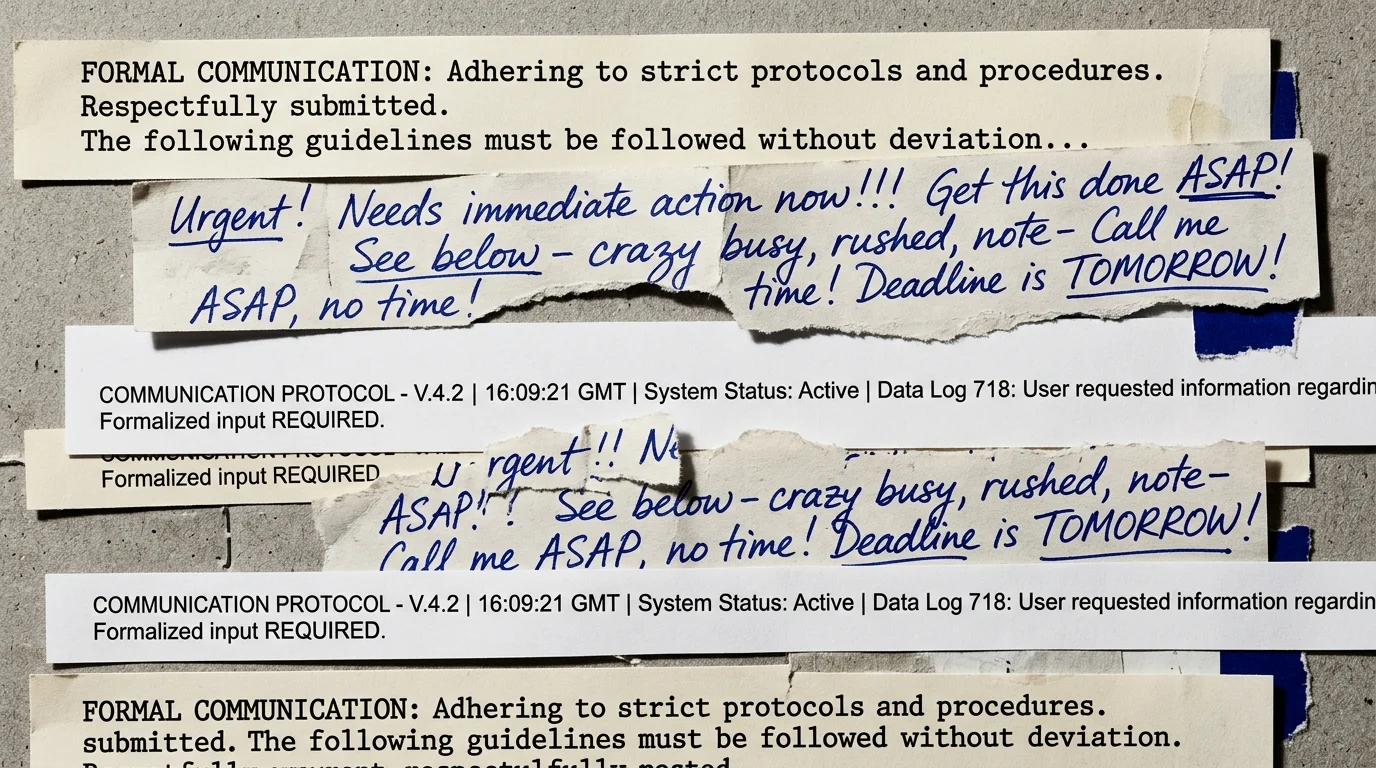
The rise of generative artificial intelligence has fundamentally altered the landscape of digital deception. Fraudsters increasingly use AI tools to generate highly articulate, emotionally tailored scripts—a practice recently dubbed “chatfishing”. Furthermore, large-scale scam operations often involve multiple people operating a single fake profile in shifts.
You might notice jarring shifts in their tone, vocabulary, or grasp of language. Someone who writes lengthy, poetic paragraphs in the morning might send disjointed, broken sentences in the evening. If their conversational style swings wildly from sophisticated to rudimentary, you are likely not speaking to the same person—or you are speaking to an AI script generator.

9. They Deflect Verification With Intense Emotion
When you ask a direct question aimed at verifying their identity, observe their emotional reaction. A person with nothing to hide understands the necessity of digital safety. They will gladly send a specific photo or jump on a brief video call to ease your mind.
A false identity will weaponize your request against you. They often employ a tactic known as DARVO (Deny, Attack, and Reverse Victim and Offender). They will deny any wrongdoing, attack your character for lacking trust, and position themselves as the deeply wounded victim of your “unreasonable” paranoia. This guilt trip is designed to make you apologize for seeking basic transparency.

10. Their Photos Resemble Stock Images
If their photos look like they belong in a high-end lifestyle magazine, proceed with caution. Catfishers often steal images from influencers, aspiring models, or public social media accounts. With the advent of deepfake technology, they can even generate entirely fictitious human faces that appear incredibly realistic.
You can verify images by running them through a reverse image search engine. If the exact photo appears on a professional portfolio, a stock photo site, or belongs to a person with a completely different name, you have uncovered the deception.
Normalizing Vigilance: Behavior Comparison
Differentiating between someone who is simply awkward online and someone who is actively deceptive can be difficult. Use this comparison table to evaluate the trajectory of your digital connections.
| Relational Trait | Authentic Connection | False Identity / Deceptive Persona |
|---|---|---|
| Pacing of Intimacy | Builds gradually; respects your boundaries and need for space. | Highly accelerated; demands rapid emotional commitment. |
| Transparency | Willing to verify identity; comfortable with video chats. | Avoids real-time verification; invents elaborate excuses. |
| Conflict Resolution | Addresses questions calmly without intense defensiveness. | Uses guilt, anger, or DARVO tactics to deflect basic inquiries. |
| Support Systems | Encourages you to maintain friendships and external hobbies. | Promotes isolation; wants to be your sole emotional focus. |

What Can Go Wrong: The Psychological Impact of Digital Betrayal
Discovering that someone you cared about does not exist is a profoundly disorienting experience. The psychological impact extends far beyond potential financial loss. Victims of digital deception often experience disenfranchised grief—a type of mourning that is not widely acknowledged or supported by society.
Because the relationship occurred online, well-meaning friends might dismiss your pain with comments like, “At least you never met them in person,” or worse, “How could you fall for that?” This victim-blaming deeply exacerbates feelings of shame and humiliation. The reality is that the emotional bond you formed was entirely real to you. Your brain processed the dopamine of their affection and the cortisol of the betrayal exactly as it would in an in-person relationship. Acknowledging the validity of your grief is the vital first step toward healing.

When to Seek Professional Support
Navigating the aftermath of a digital betrayal can trigger acute anxiety, depression, and a shattered sense of self-trust. Consider consulting a mental health professional if you experience any of the following:
- Persistent hypervigilance: You feel completely unable to trust anyone, constantly scanning new and existing relationships for signs of deception.
- Severe isolation: The shame of the experience causes you to withdraw entirely from your friends, family, and community.
- Cognitive dissonance: You find yourself still wanting to contact the scammer or struggling to accept that the persona was fabricated, despite clear evidence.
- Intense depressive symptoms: You experience overwhelming grief that interferes with your ability to sleep, work, or manage daily tasks. Organizations like the National Alliance on Mental Illness (NAMI) provide excellent resources for finding support groups and local professionals.

Rebuilding Trust in Yourself and Others
The deepest casualty of a false identity is often your trust in your own intuition. You may constantly replay past conversations, wondering how you missed the warning signs. It is crucial to practice self-compassion. Deceivers are highly skilled manipulators who exploit the best parts of human nature: empathy, optimism, and the genuine desire for connection.
“Trust is the active engagement with the unknown. Trust is risky. It’s vulnerable. It’s a leap of faith.” — Esther Perel, Psychotherapist
Moving forward does not mean permanently building walls around your heart. Instead, it means installing healthy gates. You can still take Perel’s “leap of faith,” but you are allowed to verify the landing pad before you jump. By trusting your observations and enforcing clear boundaries, you can navigate digital spaces with confidence.
Frequently Asked Questions About Online Deception
What is the difference between catfishing and chatfishing?
Catfishing traditionally refers to creating a completely fake profile using stolen photos and a fabricated identity. Chatfishing is a newer term describing the use of artificial intelligence to generate highly polished, deceptive text responses that mask a person’s true communication style and intentions.
Why do people create fake online identities if they do not want money?
Not all deception is financially motivated. According to experts highlighted by Psychology Today, some individuals construct false personas out of severe loneliness, low self-esteem, or the desire to experience a life they feel they cannot achieve in reality. Regardless of the motive, the emotional damage to the victim remains significant.
How do I recover emotionally after falling for a fake persona?
Healing requires removing the shame associated with the experience. Treat your grief as valid. Block all contact with the deceptive account, lean heavily on your real-life support system, and consider speaking to a licensed therapist who can help you process the betrayal without judgment.
Moving Forward With Clarity
The digital world offers incredible opportunities to form meaningful bonds across vast distances. While the threat of false identities is real, it does not mean every online connection is inherently dangerous. By staying anchored in reality, prioritizing slow, verifiable intimacy, and trusting your instincts when inconsistencies arise, you can protect your emotional well-being.
Remember that seeking connection is a beautiful human trait. Your capacity to care deeply is a strength, not a weakness. Protect that strength with knowledge, boundaries, and the unwavering belief that you deserve honesty in every relationship you pursue.
This is educational content based on psychological research and general principles. Individual experiences vary significantly. For personalized guidance, consult a licensed therapist, psychologist, or counselor.
Last updated: February 2026. Psychology research evolves continuously—verify current findings with professional sources.









Leave a Reply