Psychology Diary

The First Step Toward Change Is Awareness

  • Home
  • Relationships
  • Mental Health
  • Expert Tips
  • Life
  • Family
  • Marriage

The 5 Love Languages: How to Understand Your Partner Better After Decades Together

August 31, 2025 · Marriage

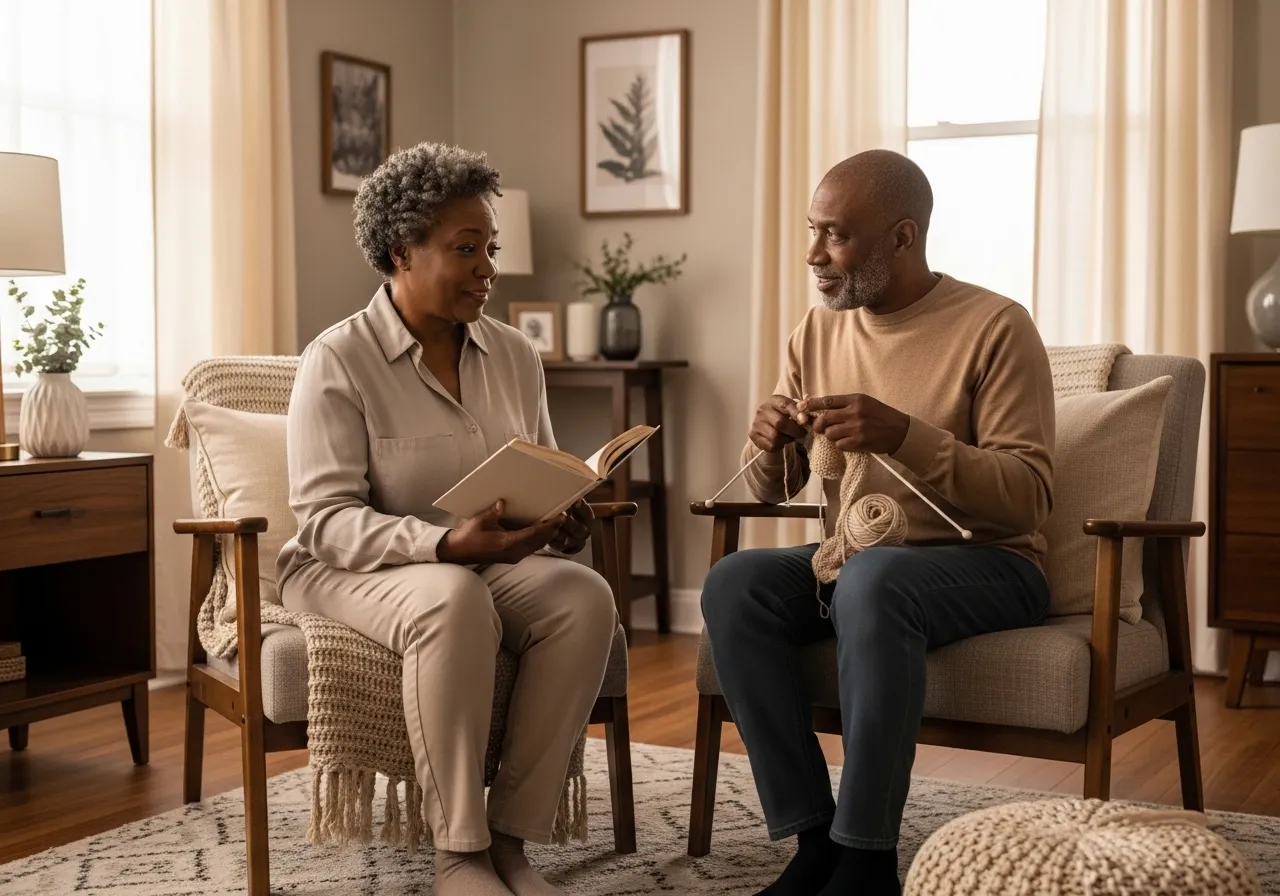
Older woman reading to her partner who's knitting in living room

Frequently Asked Questions about Love Languages

It’s natural to have questions as you begin to apply this framework to your own life. Here are answers to a few common queries.

What if my partner and I have completely different love languages?

This is very common and not a problem at all! In fact, it’s the entire point of learning the framework. The goal isn’t to have matching languages; it’s to become bilingual in love. If your language is Words of Affirmation and your partner’s is Acts of Service, it means you must make a conscious effort to praise them, and they must make a conscious effort to help you with tasks. It feels more intentional and can be even more meaningful because it requires stepping outside your comfort zone for the sake of your partner.

Can a person’s love language change over time?

Absolutely. As discussed earlier, major life events—retirement, illness, grief, a new chapter in life—can shift our priorities and emotional needs. That’s why it’s so important to see this as an ongoing conversation, not a one-time diagnosis. The partner who once needed Acts of Service above all else might, after retiring, crave Quality Time more than anything. Checking in periodically is a sign of a healthy, evolving relationship.

Is this concept scientifically proven?

The 5 Love Languages is a framework that emerged from Dr. Chapman’s decades of clinical observation in marriage counseling. It is best understood as a helpful model for communication rather than a rigorously tested scientific theory. There is not a large body of peer-reviewed research validating it as a psychological construct. However, its enduring popularity speaks to its practical usefulness. Many couples find it provides a simple, accessible vocabulary to talk about complex emotional needs. For more on the broader science of connection, you can find overviews on relationship psychology from the American Psychological Association (APA).


Pages: 1 2 3 4 5 6 7 8

Share this article

Facebook Twitter Pinterest LinkedIn Email

Leave a Reply Cancel reply

Your email address will not be published. Required fields are marked *

Search

Latest Posts

  • A single coffee mug on a wooden table next to an empty chair in a sunlit kitchen, representing the quiet of loss. How to Cope with Grief After Losing a Spouse in Retirement
  • An older woman in a knit sweater sits on a porch at dawn, holding a steaming mug and looking thoughtfully at a misty garden. The Power of Gratitude: How Seniors Can Use It to Live Happier Lives
  • A senior woman sits alone on her sofa in warm afternoon light, looking out the window with a pensive and slightly anxious expression. Why Anxiety in Seniors Is Often Overlooked—and How to Get Help
  • 8 Simple Ways to Boost Your Mood Every Day After 60 8 Simple Ways to Boost Your Mood Every Day After 60
  • A woman in her 60s sits thoughtfully in a sunlit living room with a mug of tea, reflecting on connection and solitude. Why Loneliness Hits Harder After 60—and How to Fix It
  • Two people sitting on a sofa in a quiet, sunlit living room, showing a moment of supportive connection and listening. 9 Things You Should NEVER Say to Someone With Anxiety
  • A tense, high-contrast conversation between two people in a minimalist setting. 5 Body Language Secrets That Reveal Someone Is Lying to You
  • A woman sitting thoughtfully by a window in a soft-lit, modern living room. 8 Signs You Were Raised by an Emotionally Unavailable Parent
  • Surreal illustration of a person looking into a mirror that reflects a golden labyrinth, symbolizing internal complexity. The 6 Most Dangerous Lies We Tell Ourselves Every Day
  • A woman in a peaceful, sunlit room embodying emotional clarity and calm. 10 Things Emotionally Intelligent People NEVER Do

Newsletter

Get the latest posts delivered to your inbox.

Related Articles

Retirement

Entering Retirement? Here Are 6 Ways to Ensure Your Marriage Doesn’t Suffer

Personal Space One of the biggest secrets to surviving retirement? Give each other some personal…

Read More →
giving tiny compliments

9 Reasons Giving Tiny Compliments Is the Key to a Happy Marriage

They pair really well with emotions. As it turns out, compliments have a bigger impact…

Read More →

Top 13 Most Shocking Facts About Divorce in the U.S.

No one likes to talk about divorce, and of course, no one wishes to go…

Read More →
signs of divorce

8 Signs Your Wife Is Planning a Divorce

6. Fighting just for the sake of fighting No. 6 on our list of signs…

Read More →
holiday

17 Disagreements Even Happy Couples Have During The Holidays

During the holidays, everyone wants to spend time with their families and loved ones, exchange…

Read More →
trust, married marriage

11 Last Attempts Before Giving Up on Your Marriage

Judie and Trevor, both in their late fifties and married for over 20 years, are…

Read More →
partner

How to Survive Infidelity in a Marriage

Surviving infidelity can be the hardest thing you’ll have to do, but if you love…

Read More →
marriage won't last

10 Signs Your Marriage Won’t Last for Another Year

You don’t laugh together anymore. Can I get a Hallelujah? I can’t emphasize this enough:…

Read More →

10 Financial Mistakes Newlyweds Should Avoid At All Costs

Marriage means merging your life completely with someone else’s, including your finances. Believe it or…

Read More →

Psychology Diary

The First Step Toward Change Is Awareness

Inedit Agency S.R.L.
Bucharest, Romania

contact@psychologydiary.com

Explore

  • About Us
  • Advertiser Disclosure
  • Contact Us
  • Disclaimer
  • Do not sell my personal information
  • Editorial Policy
  • Frequently Asked Questions
  • Privacy Policy
  • Terms and Conditions
  • Subscribe
  • Unsubscribe

Categories

  • Expert Tips
  • Family
  • Life
  • Marriage
  • Mental Health

© 2026 Psychology Diary. All rights reserved.