
If you thought dating is hard, dating with depression is a whole new challenge. More than 18 million people in the United States suffer from depression, and more than 20 million people worldwide use dating websites each month to find a partner, as data from the online Dating Magazine has shown.
Moreover, there are certainly people than belong in both categories. But for people that suffer from depression, dating is a whole new experience. You don’t know how much is ok to share with the other person, you feel very vulnerable and fear rejection.
“Sometimes if you don’t feel like smiling but are in a situation where you’re expected to be happy, that can make you feel even worse,” says Helen Friedman, PhD, a clinical psychologist in private practice in St. Louis.
Read on to find the 10 simple tips for making dating with depression a little bit easier.

Choose the right timing
You can’t be in a relationship if you’re not ok with yourself. Firstly, you need to take care of yourself before starting a new relationship. If you’re not loving yourself, how could others love you?
Helen Friedman suggests engaging in positive self-talk. Acknowledge that there will be hard moments, but do not punish yourself for being down. If you’re on medication, make sure to take it religiously and stick to your therapy sessions, because they’re going to be very helpful. Also, you can open up to your family members and close friends.
Very importantly, choose to be around positive people, and avoid the negative ones that will make you feel more miserable than you already are. Don’t force yourself into dating if you feel like you’re not ready. Give yourself time to heal.
Don’t be afraid to seek professional help
Many people who suffer from depression fear that people would make fun of them if they’d find out. But that’s actually not true. We live in a world where it’s normal to go to therapy or to talk to a specialist about your problems. You should never feel ashamed for seeking help.
Depression can contribute to increased fatigue, irritability, low self-esteem, and reduced libido. You need specialized treatment in order to heal yourself. The most efficient way to treat yourself is by following a specific treatment (medication) and therapy.
As data from Mental Health America has shown, more than 80% of those who seek treatment improve their quality of life and get relief from symptoms. Therefore, don’t waste any more time and seek professional help if you aren’t already.
But also accept assistance
According to Sheela Raja, PhD, a clinical psychologist and assistant professor at the University of Illinois at Chicago, opening up to your close friends and family members it’s essential, but letting your partner help you is vital.
They need to be part of your lifestyle, so you should let them know how they can help. For instance, if you have your own routine, where you eat healthy and exercise daily to ease stress, you can ask them to join. If you see that they’re glad to be part of your routine, then maybe they’re in for the long run.
Additionally, you could also let them know exactly how you feel, and share details about your depression journey, who knows, maybe you’ll create an even stronger bond. Their response to your problems will tell you if they’re planning to stay in your life or not.
Don’t rush to tell on the first date
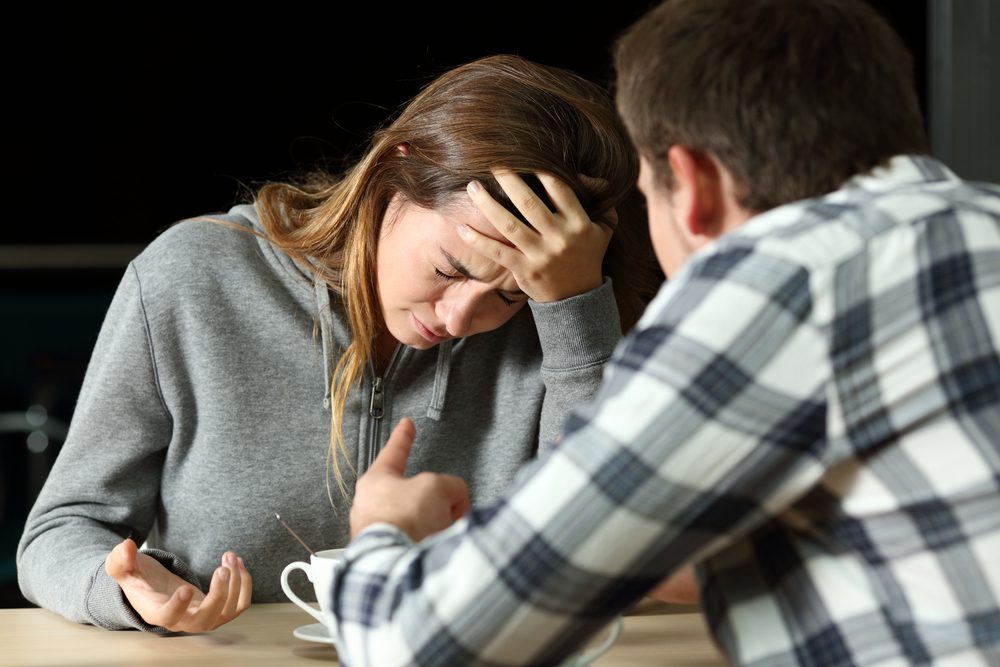
This is definitely not the kind of thing that you should share on a first date. Wait until you feel more comfortable around that person. According to Friedman, you don’t owe it to anyone to discuss such personal matters on a first date.
However, that doesn’t mean you shouldn’t tell them at all. If things between you two become more serious, you need to open up about your problem. Friedman suggests telling them when you agreed to be exclusively, or when they gain your trust.
Of course, there’s no right time to share this information, but there’s certainly too early to share it.
“Something may come up in a conversation where it would feel like a natural time or that it would be dishonest not to. You might choose that time to share that you have depression,” Friedman added.
Low libido
Those who deal with depression understand that you’re not feeling very sexy and romantic. Antidepressants often contribute to low libido, and intimacy might be the last thing on your mind.
But you can always talk to your doctor and ask them to switch you onto other meds less aggressive or alternatives less likely to affect your bedroom life.
Additionally, if you’re not in the mood, just let your partner know because doing it even though you don’t want to might make you feel even more miserable. Make sure to let them know that you care about them and appreciate their patience.
Learn how to talk about your depression
As Friedman likes to say, you should talk about it only when you’re ready. Also, she suggests making a three-part script. Start by telling your partner how much you like them and how important they are to you. Tell them that because you like them so much, you feel the need to share something important with them.
Secondly, create a context for your story, by making them understand that this is something you’ve been dealing with for a long time. Additionally, after you finished your ‘introduction’ tell them you’ve been diagnosed with depression, but you’re doing everything in your powers to get well. It’s important to mention that you’re seeking treatment and you’re going to therapy.
Last but not least, tell them again how much they mean to you. They need to know that. It’s just as important to them as the fact that you opened up about your depression.
Probably the most important thing: just be patient
Patience, oh, how important it is. Maybe you feel anxious answering to a lot of uncomfortable questions, but you should recognize that is they’re asking questions, it means that they care. Ignorance is worse.
Even though these questions are not helpful, you should have patience with them and help them understand more about depression. After all, it’s hard for those who never dealt with depression to understand its mechanisms.
According to Friedman, when it comes to men, they feel the need to protect their partner and make them happy. So you should try to understand their desire to help, even though it’s not what you want. However, make sure that they understand you can’t fake a smile when you don’t feel like it. Also, if you want some alone time, don’t hesitate to tell them.
Also, if you’re a man dealing with depression, and your woman expects you to take the initiative and plan dates, you should have an open conversation with her and express what you’re feeling. Explain to her that depression is associated with low energy levels and she needs to be patient with you.
Learn from your past dating mistakes
When it comes to dating, it’s vital to acknowledge your strengths and weaknesses. Don’t follow the same pattern over and over again and wonder why it’s not working.
According to Friedman, “Therapy might help you to work out any issues you have in order to go forward in your relationships and not repeat past mistakes.”

Online dating
While online dating has gained popularity over the last years, that doesn’t mean it’s easy, Friedman explains. She added that it can be very easy to get hurt and discouraged when choosing online dating.
“It takes skill to know how to navigate online dating to find someone special.”
However, these are special websites made for people who suffer from depression and other mental illnesses. According to Friedman, the most famous website designed for people with depression is Nolongerlonely.com.
While online dating is a good alternative, don’t say no completely to real-life dating. Additionally, if several dates went bad, don’t give up. Your one and only is out there, waiting for you.
If you found this article useful, we also recommend reading: Are You Headed Toward a Nervous Breakdown? Here Are 8 Signs




Leave a Reply