
Psychology Diary

The First Step Toward Change Is Awareness

  • Home
  • Relationships
  • Mental Health
  • Expert Tips
  • Life
  • Family
  • Marriage

Alzheimer’s Disease: 8 Early Signs You Shouldn’t Overlook

December 19, 2022 · Mental Health
Nervous Breakdown, alzheimer's
Photo by fizkes at Shutterstock

1. Significant Memory Loss

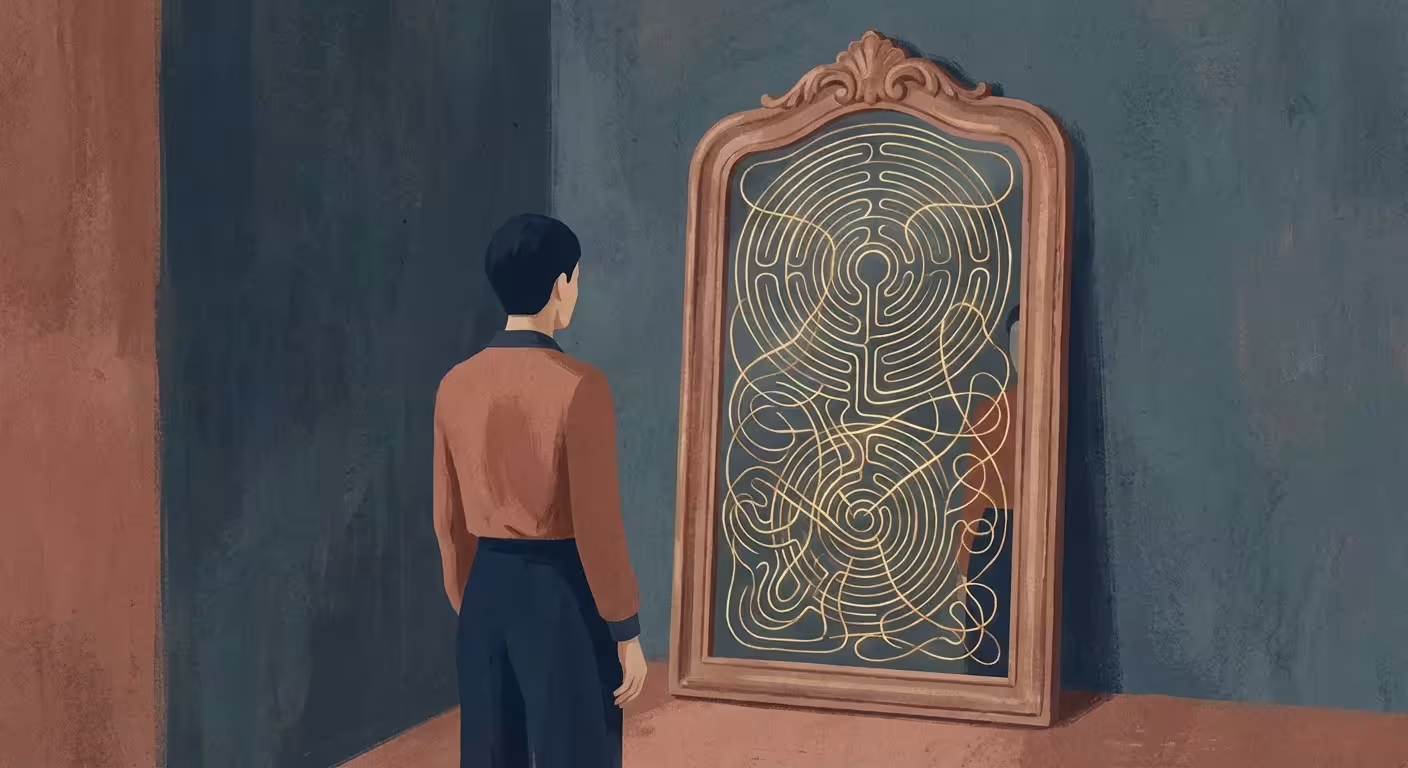
It’s OK to forget minor details from time to time and remember them later. However, someone with early-onset Alzheimer’s may start to forget information more often or forget things they just learned.

People with Alzheimer’s will start to show signs of memory loss by having trouble remembering people (even loved ones), not being able to follow conversations and forgetting important details like their home addresses.

Individuals may first try to combat this constant memory loss by using techniques to trigger their memory. For instance, they may make notes on their mobile phone with their home address or leave sticky notes around the house to not forget about upcoming events.

If this seems to be happening more frequently, it’s time to talk to your doctor. The major difference between normal forgetfulness and an early symptom of Alzheimer’s is whether the information you couldn’t remember eventually comes back to you. If you notice that it doesn’t, it could be a warning sign of early Alzheimer’s.

Pages: 1 2 3 4 5 6 7 8 9

Share this article

Facebook Twitter Pinterest LinkedIn Email

Leave a Reply Cancel reply

Your email address will not be published. Required fields are marked *

Search

Latest Posts

  • A mixed media collage of a figure made of layered paper and watercolor, symbolizing emotional flexibility and resilience. 12 Signs You're Mentally Stronger Than You Realize
  • A mixed media collage of a person's face with shifting, layered textures and torn paper edges symbolizing a mental break. 10 Signs of a Psychotic Break
  • A conceptual illustration showing a father and daughter separated by a deep chasm in the floor of their dining room. 10 Habits That Push People Away (Your Children Too)
  • A conceptual collage of a head silhouette filled with shattered mirrors and warped photos, symbolizing reality distortion. 8 Ways People Distort Reality
  • An elderly woman sits alone at a dining table in soft afternoon light, looking down at a tea cup in a quiet, nostalgic home setting. 9 Emotional Wounds Adult Children Simply Don’t Realize They’re Inflicting On Their Parents
  • A mixed-media collage of a fragmented silhouette head with an anchor being cut, symbolizing the loss of one's grip on reality. 10 Signs Someone Is Trying to Distort Your Reality
  • A mixed media collage of a beautiful white flower with hidden barbed wire roots and thorny stems on a textured vintage paper background. 8 Behaviors That Reveal Hidden Toxicity
  • A candid photo of a couple in a dim living room, showing a sense of emotional distance and unspoken tension. 10 Traits That May Reveal Covert Narcissism
  • A couple sits on a sofa in a dimly lit room, one person looking at a phone while the other looks away, capturing a moment of secrecy. 8 Signs Someone May Be Hiding More Than They Admit
  • An ink and watercolor illustration of a human head cracking like stone, with golden light leaking through the fissures. 11 Small Clues That Can Expose a Lie

Newsletter

Get the latest posts delivered to your inbox.

Related Articles

mental illness

7 Early Signs of Mental Illness Only Seniors May Feel

1. Sleeping issues Sleep changes are one of the first and most noticeable signs of…

Read More →
A sophisticated woman in her 60s looking out a window in a bright, modern home.

7 Habits That Secretly Destroy Your Mental Health After 60

Are your daily habits silently harming your mental health? Discover 7 hidden behaviors, from dehydration…

Read More →
Woman looking out window in sunlit room.

Understanding Seasonal Affective Disorder (SAD) in Older Adults

What Is Seasonal Affective Disorder (SAD)? Seasonal Affective Disorder is not a separate disorder but…

Read More →
Schizophrenia

Schizophrenia: 5 Telltale Signs of a Debilitating Disorder

Disorganized Or Catatonic Behavior A disorderly demeanor can include strange behaviors like laughing or smiling…

Read More →
anxiety

Anxiety Is Different In Seniors. Do You Know The Warning Signs?

We stressed so much about this subject, mainly because anxiety is more than just a…

Read More →
dementia myth

10 Dangerous Dementia Myths That Give You the WRONG Diagnosis

Dementia comes inevitably with age This myth is absolutely untrue, as dementia is not necessarily…

Read More →
tips for de-stressing

8 Tips for De-Stressing After a Conflict

1. Don’t start judging After a big argument or a fight, we tend to be…

Read More →
PTSD, mental health depression

9 Mental Health Issues You Can Inherit

There are many reasons why a mental health disorder can develop. If you’re struggling with…

Read More →
depression

Dealing With Retirement Depression? 7 Tips on How to Overcome It

Slowly transition into retirement without forcing it For a lot of people, this transition from…

Read More →

Psychology Diary

The First Step Toward Change Is Awareness

Inedit Agency S.R.L.
Bucharest, Romania

contact@psychologydiary.com

Explore

  • About Us
  • Advertiser Disclosure
  • Contact Us
  • Disclaimer
  • Do not sell my personal information
  • Editorial Policy
  • Frequently Asked Questions
  • Privacy Policy
  • Terms and Conditions
  • Subscribe
  • Unsubscribe

Categories

  • Expert Tips
  • Family
  • Life
  • Marriage
  • Mental Health

© 2026 Psychology Diary. All rights reserved.