Psychology Diary

The First Step Toward Change Is Awareness

  • Home
  • Relationships
  • Mental Health
  • Expert Tips
  • Life
  • Family
  • Marriage

6 Amazing Mental Health Benefits of Having a Pet

February 2, 2023 · Mental Health
mental
Photo by 220 Selfmade studio from Shutterstock

Did you know that people older than 60 who own a dog make 20% fewer visits to their doctors annually? Wow! That’s something. Who knew that besides being a human’s best friend, a pet can actually help people improve their health and help those who suffer from various mental illnesses?

A dog, for example, will always give so much in return, helping you get through a bad day, a bad month, or even a bad year. And the good news is that a pet can genuinely understand you better than a fellow human. They are loyal, adorable, and above all, they can sense when you are upset or sad.

If you’re thinking about getting a pet this year, this article will give you the answer! Besides adding a super important benefit to your overall health, pets also provide joy and unconditional love, plus you will know every day a furry ball is eagerly waiting for you to come home.

Click on the next page to see the rest of the article!

Pages: 1 2 3 4 5 6 7

Share this article

Facebook Twitter Pinterest LinkedIn Email

One response to “6 Amazing Mental Health Benefits of Having a Pet”

  1. Zachary Tomlinson says:
    April 29, 2023 at 10:56 am

    I never knew that puppies could help you escape the claws of depression and anxiety. My brother wants to help his in-law adjust to his new living space this year. I think they should start by finding a dog breeder and adopting a puppy to ease his eventual loneliness.

    Reply

Leave a Reply Cancel reply

Your email address will not be published. Required fields are marked *

Search

Latest Posts

  • An unposed photo of a man sitting at a kitchen table looking slightly guarded during a quiet, intimate conversation. 8 Body Language Clusters That Indicate Someone Is Holding Back the Truth
  • An ink and watercolor illustration of a morning coffee cup on a wooden table with a gentle ripple, symbolizing subtle early changes. 7 Subtle Signs of Parkinson's Disease in the Early Stages
  • An editorial illustration of a silhouette standing on a fractured path, with a hand gently unravelling a thread from its shoulder. 8 Hidden Signs of Emotional Manipulation in a Relationship
  • Gouache illustration of a couple walking hand-in-hand through a vibrant landscape of overlapping colorful plants and abstract shapes. The 5 Love Languages Revisited: What Really Keeps Couples Close
  • A watercolor illustration of two people on an uneven seesaw, symbolizing a lopsided, selfish relationship dynamic. 10 Signs Someone May Be More Selfish Than They Realize
  • An editorial ink and watercolor illustration of a lonely figure fading into soft gray washes, symbolizing emotional vulnerability. 10 Warning Signs You May Be in an Emotionally Abusive Relationship
  • A couple sits on opposite ends of a long sofa in a dimly lit living room, staring away from each other with a large physical gap between the 10 Signs You're No Longer Connected to Your Partner
  • Editorial ink and watercolor illustration of a person wearing a suit of mirrors as protective armor, symbolizing defensive ego preservation. 9 Signs You Struggle to Admit Mistakes
  • A conceptual mixed-media collage showing dark, chaotic textures emerging from a clean paper silhouette, symbolizing hidden guilt leaking out 7 Signs Someone May Feel Guilty About Something
  • An editorial illustration of a person sitting at a table with a root system growing from their chair into the floorboards. The Mental Symptoms Many People Ignore Until It's Too Late

Newsletter

Get the latest posts delivered to your inbox.

Related Articles

midlife crisis

7 Alarming Signs You’re Going Through a Midlife Crisis

What is a midlife crisis, and how can you manage it?  You get to “that…

Read More →
traits most criminals share

9 Psychological Common Traits Most Criminals Share

What are the traits most criminals share?  People like John Wayne Gacy, Jeffrey Dahmer, and…

Read More →
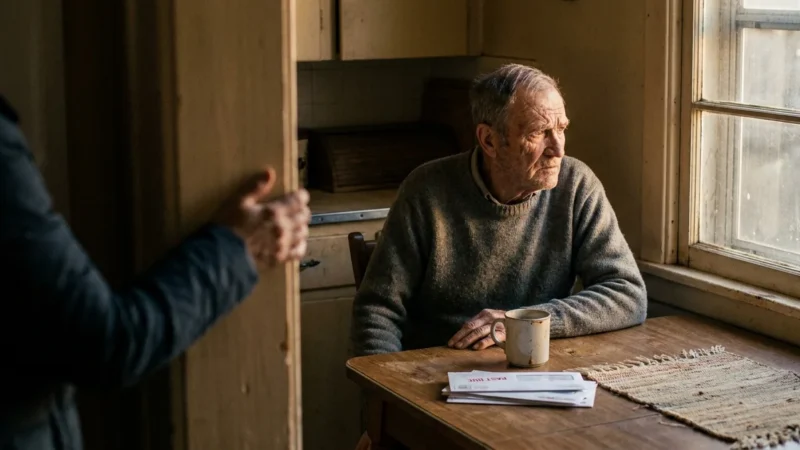
An elderly man sits alone at a kitchen table in soft afternoon light while his adult daughter watches from the doorway with concern.

Why Some People Become More Difficult With Age—According to Psychologists

Discover the psychological, neurological, and emotional reasons why some people become more difficult with age,…

Read More →
OCD, mental health

People with OCD Usually Share These 8 Strange Traits

What are the most common OCD symptoms?  If you’ve read at least once about OCD…

Read More →
anxiety

7 Effective Ways to Reduce Anxiety

Anxiety symptoms, such as unease, dread, terror, or an irrational feeling of impending doom, can…

Read More →
Parkinson's disease

Parkinson’s Disease: 9 Unusual Signs You Have It!

What do you know about Parkinson’s disease (PD)? When it comes to mental health, everybody…

Read More →
antidepressants

6 Natural Antidepressants That Might Help With Depression

Did you know that there are a lot of natural antidepressants that could improve your…

Read More →
Early Psychotic Sign

10 Early Psychotic Signs You Need Therapy Right Now

If you have a difficult time recognizing the difference between what’s real and what isn’t,…

Read More →
A senior woman sits alone on her sofa in warm afternoon light, looking out the window with a pensive and slightly anxious expression.

Why Anxiety in Seniors Is Often Overlooked—and How to Get Help

Discover why anxiety in older adults is frequently overlooked, learn to recognize the physical signs,…

Read More →

Psychology Diary

The First Step Toward Change Is Awareness

Inedit Agency S.R.L.
Bucharest, Romania

contact@psychologydiary.com

Explore

  • About Us
  • Advertiser Disclosure
  • Contact Us
  • Disclaimer
  • Do not sell my personal information
  • Editorial Policy
  • Frequently Asked Questions
  • Privacy Policy
  • Terms and Conditions
  • Subscribe
  • Unsubscribe

Categories

  • Expert Tips
  • Family
  • Life
  • Marriage
  • Mental Health

© 2026 Psychology Diary. All rights reserved.