Psychology Diary

The First Step Toward Change Is Awareness

  • Home
  • Relationships
  • Mental Health
  • Expert Tips
  • Life
  • Family
  • Marriage

Understanding Common Mental Health Challenges in Older Adults

August 31, 2025 · Mental Health

Senior woman talks to her doctor about her mental health, using notes.

How to Talk to Your Doctor About Your Mental Health

For many, bringing up mental health with a primary care physician (PCP) can feel daunting. You might worry about being dismissed, judged, or immediately put on medication. But your PCP can be your greatest ally and is the best starting point for getting help. They can rule out physical causes and provide a referral to a mental health specialist.

Preparation is key. Going into your appointment with clear information helps your doctor understand the full picture.

What to Write Down Before Your Appointment:

1. Your Symptoms: Don’t just say “I feel down.” Be specific. For a week before your visit, jot down notes. How has your sleep been? What about your appetite? Have you lost interest in things? Are you having physical pains? Are you worrying constantly?

2. When It Started and How It Affects You: Did these feelings start after a specific event, like a health diagnosis or the loss of a loved one? How is it impacting your daily life? For example: “For the past two months, I’ve had no energy to cook, and I’ve been avoiding calls from friends.”

3. A List of All Medications: Include all prescriptions, over-the-counter drugs, vitamins, and herbal supplements. The combination and dosage can sometimes cause mood-related side effects.

4. Your Questions: Write down what you want to know. It’s easy to forget in the moment. Good questions include:

“Could one of my medical conditions or medications be causing these feelings?”

“What are my options for treatment besides medication, like therapy?”

“Can you give me a referral to a geriatric psychiatrist or a therapist who specializes in working with older adults?”

How to Start the Conversation

You don’t need a perfect opening. You can be direct. Try one of these conversation starters:

“I’d like to talk about my mental health today. I haven’t been feeling like myself lately.”

“I’ve been feeling constantly worried and it’s affecting my sleep. I need some help.”

“In addition to my physical health, I’m concerned about my mood. I’ve lost interest in everything.”

Remember, your doctor has these conversations every day. Mental health is health. By speaking up, you are taking a courageous and vital step toward feeling better.


Pages: 1 2 3 4 5 6 7 8 9 10

Share this article

Facebook Twitter Pinterest LinkedIn Email

Leave a Reply Cancel reply

Your email address will not be published. Required fields are marked *

Search

Latest Posts

  • An unposed photo of a man sitting at a kitchen table looking slightly guarded during a quiet, intimate conversation. 8 Body Language Clusters That Indicate Someone Is Holding Back the Truth
  • An ink and watercolor illustration of a morning coffee cup on a wooden table with a gentle ripple, symbolizing subtle early changes. 7 Subtle Signs of Parkinson's Disease in the Early Stages
  • An editorial illustration of a silhouette standing on a fractured path, with a hand gently unravelling a thread from its shoulder. 8 Hidden Signs of Emotional Manipulation in a Relationship
  • Gouache illustration of a couple walking hand-in-hand through a vibrant landscape of overlapping colorful plants and abstract shapes. The 5 Love Languages Revisited: What Really Keeps Couples Close
  • A watercolor illustration of two people on an uneven seesaw, symbolizing a lopsided, selfish relationship dynamic. 10 Signs Someone May Be More Selfish Than They Realize
  • An editorial ink and watercolor illustration of a lonely figure fading into soft gray washes, symbolizing emotional vulnerability. 10 Warning Signs You May Be in an Emotionally Abusive Relationship
  • A couple sits on opposite ends of a long sofa in a dimly lit living room, staring away from each other with a large physical gap between the 10 Signs You're No Longer Connected to Your Partner
  • Editorial ink and watercolor illustration of a person wearing a suit of mirrors as protective armor, symbolizing defensive ego preservation. 9 Signs You Struggle to Admit Mistakes
  • A conceptual mixed-media collage showing dark, chaotic textures emerging from a clean paper silhouette, symbolizing hidden guilt leaking out 7 Signs Someone May Feel Guilty About Something
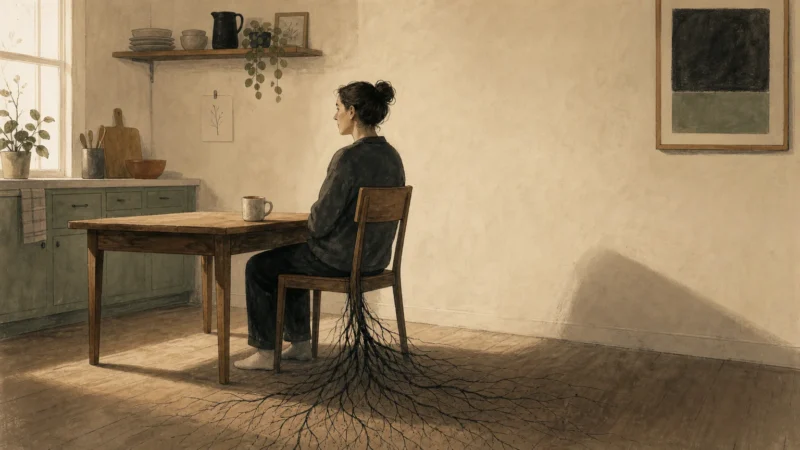
  • An editorial illustration of a person sitting at a table with a root system growing from their chair into the floorboards. The Mental Symptoms Many People Ignore Until It's Too Late

Newsletter

Get the latest posts delivered to your inbox.

Related Articles

Two people sitting on a sofa in a quiet, sunlit living room, showing a moment of supportive connection and listening.

9 Things You Should NEVER Say to Someone With Anxiety

Learn the 9 harmful phrases you should avoid saying to someone with anxiety, why they…

Read More →
Woman comforting friend in living room

Recognizing the Signs of a Nervous Breakdown in a Loved One

Caring for the Caregiver: Preventing Your Own Burnout Supporting someone through a mental health crisis…

Read More →
burnout

7 Signs of Burnout (and What To Do About It)

Even the greatest jobs can lead to burnout. The more you work and the more…

Read More →
Dementia myth

Subtle Signs of Dementia: 6 Important Things You Need to Know

6. Losing Track Of Time Or Place Do you, or a person you care about,…

Read More →
OCD, mental health

People with OCD Usually Share These 8 Strange Traits

8. Excessively seeking reassurance Even if there is nothing wrong with reassurance, we do need…

Read More →
Negative Body Language

8 Ways Negative Body Language Is Damaging Your Self-Confidence

Do you have negative body language? Have you ever walked into a room and instantly…

Read More →
depression

5 “Normal” Things That Are Actually Depression

Are you doing these things? It might be depression! The World Health Organization (WHO) estimates…

Read More →
Two hands clasped together, showing support.

How to Support a Partner or Friend Experiencing a Mental Health Crisis

The Long Haul: Ongoing Support and Realistic Expectations A mental health crisis is an acute…

Read More →
An editorial illustration of a person sitting at a table with a root system growing from their chair into the floorboards.

The Mental Symptoms Many People Ignore Until It’s Too Late

Discover the hidden physical, cognitive, and emotional warning signs of mental exhaustion and learn practical…

Read More →

Psychology Diary

The First Step Toward Change Is Awareness

Inedit Agency S.R.L.
Bucharest, Romania

contact@psychologydiary.com

Explore

  • About Us
  • Advertiser Disclosure
  • Contact Us
  • Disclaimer
  • Do not sell my personal information
  • Editorial Policy
  • Frequently Asked Questions
  • Privacy Policy
  • Terms and Conditions
  • Subscribe
  • Unsubscribe

Categories

  • Expert Tips
  • Family
  • Life
  • Marriage
  • Mental Health

© 2026 Psychology Diary. All rights reserved.