

Do you know how to set healthy boundaries with your family?
When you think about a happy and strong family, you probably think about a group of individuals who are offering support to one another and creating a lasting sense of belonging.
But whenever people get so close, it is crucial, according to many experts, to set boundaries. Some people might believe that they are not good and will destroy intimacy, but in reality, they are what keep the bond alive.
When you decide to set healthy boundaries, keep in mind that you are doing a service to yourself and also to those involved in this dynamic, in this case, your family. When boundaries are missing or blurred, something called “enmeshment” can happen.
This phenomenon is described by a toxic closeness within the family when individual growth is destroyed and the whole complexity and emotional distress affect the relationship inside the family and outside of it negatively.
Hopefully, there are many strategies that can help you set healthy boundaries within the family, and we are here to discuss all of them.

1. Present it as a positive change
If you feel like it’s finally time to set healthy boundaries with the members of your family, you should start by imagining how they see this type of change. Your loved ones might see these boundaries you are trying to impose as something negative that is destroying your relationship.
When you try to discuss with a family member a boundary you want to establish, try to reframe the whole conversation and focus on how this change can make the relationship even better than it is in the present.
Show them the potential benefits and make it clear that this shift is for the better, which will create a more respectful dynamic between the two of you. Remind them that boundaries are not walls built to shut people out. They are a healthy way to create some space and support the development of those involved.
2. “I” statements are much needed
Setting healthy boundaries in a family can be a tricky experience, and due to this, you need to make the community as clear and effective as possible. A powerful tool recommended by many therapists is using the “I” statements, as they can work amazing when wetting boundaries with difficult people and also help you keep a respectful attitude.
What is so great about this method is that it gives you the liberty to express your perspective and feelings while also leaving space for the other person’s perspective.
For example, instead of “You always criticize me!” you can say something like “I feel hurt when you make critical comments.” This is how effective communication goes, and it will be easier for you to make your message clear without using inflammatory language.
Pay attention to your feelings and try to set healthy boundaries around them.
3. Brace yourself, as discomfort is normal
When you start to set healthy boundaries, your family might see this as a threat to your close relationship and the perfect place for negative feelings and discomfort to appear.
Once you set healthy boundaries, there is a high chance some feelings might get hurt, and this is how this feeling of discomfort appears in most cases. This is what therapist John Parulo suggests, and generally, we also believe it is true.
Most of the time, these feelings stem from social expectations about how a family should be. People have this idealized portrait in their minds, and once this image gets attacked, they might start to get defensive. The general representation of a family in today’s media is a family without boundaries, but this is not how things work in reality.
Keep in mind that feelings aren’t facts, and their reactions may suggest that you are challenging a familiar pattern. Try to understand your emotions, but never let them stop you from setting healthy boundaries.
4. Think about your non-negotiables beforehand
Once you begin your journey and decide it’s time to set healthy boundaries, it’s tempting to go all in. This means you might be predisposed to make various hurtful statements or threaten those close to you and tell them about the serious consequences if your requests are not met.
But experts believe a more temperate approach is the right way. Be more gentle, and you will see more positive results. You will not be able to repair the entire relationship with one discussion, and this is why it’s important to start with the things that are non-negotiable for you. Communicate the limits and try to develop a feeling of collaboration.
If the things you hate the most are the unannounced visits, try to discuss this first. Focus on establishing boundaries around this matter, and later you can take care of the rest.
5. Goals and expectations
Before you set healthy boundaries, and before you open any conversations about this with your family, you need a little bit of introspection. What do you want from this interaction? What are your goals, and what do you expect them to do?
These are all valid questions you need to ask yourself, and understanding these things will help you deliver a clearer message. Boundaries should strengthen a relationship, not weaken it. Keep this in mind and organize the whole process around it. They are not a way of punishing and should be used as a tool that makes the interaction easier.
Change, especially within a family, will never happen overnight, and this is why it is better to have goals and expectations. Start small and make your way up. Your family will need some time to adjust to the new dynamic.
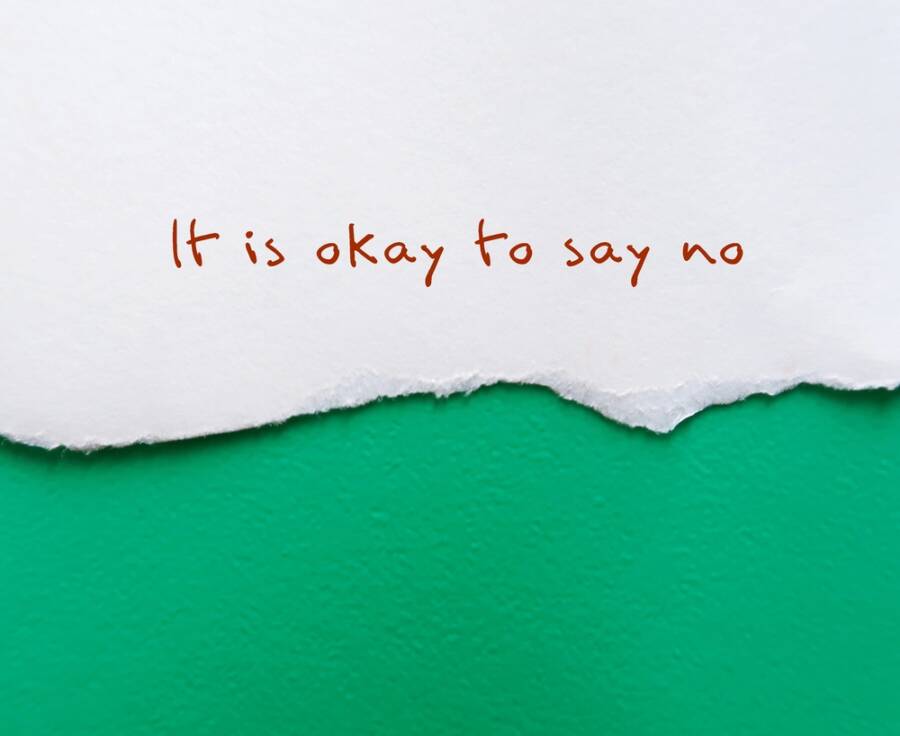
6. Learn how to say “no”
Saying no to your family members is an essential step in setting boundaries, but it is so hard for many of us to do this because most of the time, our loved ones see this as a betrayal.
But you can say no in a kind way that makes things less hurtful. This is an art we all should master, and a mindful approach is what we are looking for.
When you deliver a “no,” it doesn’t have to be harsh. You can soften it by adding some appreciative language. For example, you can try something like, “Thank you so much for your invitation and thinking of me, but I will need to pass it on.”
You don’t need to feel bad each time you say no, because setting boundaries is not selfish; it’s all about self-care. Knowing how to make your priorities clear and politely decline requests will help you go a long way.
7. Try writing a letter
Sometimes all the overwhelming emotions might make things more difficult when you are trying to communicate and set healthy boundaries within the family, and because of this, many therapists advise you to write a letter.
It is important to note that this is a letter that you don’t need to send. It’s a letter that helps you understand better what you want to say. This is a powerful first step and allows you to explore the boundaries you want to set and, at the same time, make sure you are not missing something.
This is an introspective approach that many therapists recommend, as it’s a good way to find out what your comfort zone is. Also, you will have more time to think about and articulate your expectations. Creating a good communication strategy is essential, and once you are done with it, the face-to-face discussion won’t seem that scary.
If you want to learn more about setting boundaries, this book might be helpful: Healthy Boundaries: How to Set Strong Boundaries, Say No Without Guilt, and Maintain Good Relationships With Your Parents, Family, and Friends
You should also read: Understanding Your Introverted Grandchild: 6 Key Traits Explained









Leave a Reply