
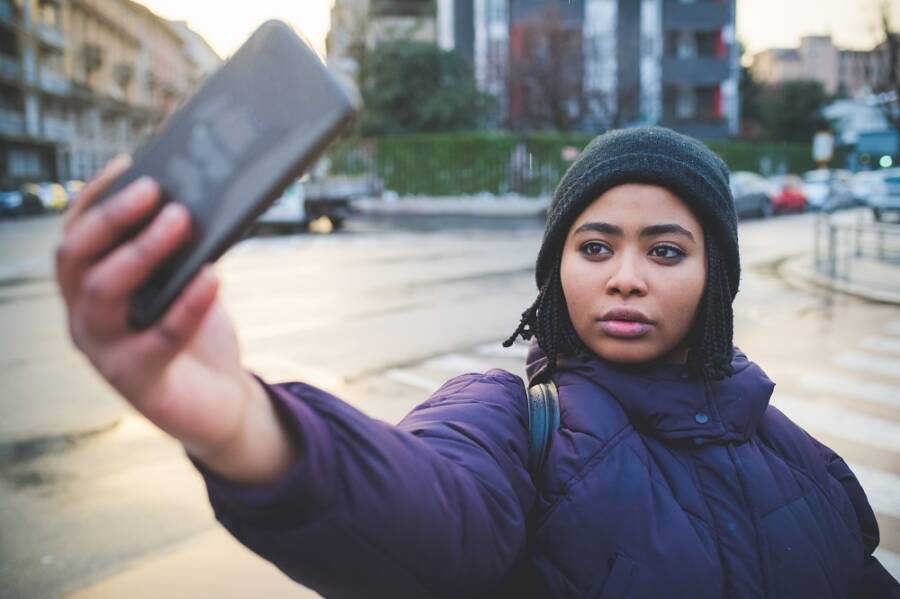
Social media is harming your mental health more than anything else! See how you can protect yours from it.
Social media has grown so much in the past decade, and it’s awesome to see that with its help, we’re now able to reach out to friends and family who live overseas much more easily than we used to. In addition to bringing us closer to our loved ones, social media allowed us to expand our businesses and discover new and fascinating things.
“Then what is so wrong with social media that you have to write an article about that?” is likely what you’re asking yourself after reading this. As everyone knows, in addition to these positive things about social media, some negative ones constantly float in the wind, such as hours of doom scrolling rather than paying attention to what’s going on in real life.
For many people, social media is a way to escape their daily problems, but instead of making them feel better, social media can affect their mental health and make them feel drained or even depressed.
In the following lines, we will explain how social media is harming your mental health and what you can do about it.
You’re wasting time scrolling
This starts by replying to your friend’s text, and then the mindless scrolling begins without even paying attention to the clock. The average amount of time spent on social media globally is expected to reach two hours and 27 minutes per day, which is the highest amount ever recorded, according to a survey.
Interesting to point out is that this number applies to adults, but do you know how much time on average kids spend on social media? somewhere around eight hours, which is basically the equivalent of a full-time job for adults. If this isn’t an addiction, then we don’t know what it is!
Social media is harming your mental health without even realizing it, so what can you do to stop yourself from touching your phone more than 50 times a day? Set a time limit; now most social media apps allow you to do that. At first, it might be a bit hard, but the good thing about this setting is that the app prevents you from using it after you reach the time. Now you will be able to focus on your goals, family time, and other activities.
You’re comparing yourself with others
Another sign social media is harming your mental health is when you start comparing yourself with other people you see online. The truth is that social media may make things look perfect from the outside, but in reality, you don’t know how many issues those people have.
Before you jump to conclusions and assume that people are doing better than you, keep in mind that you are comparing your entire life to their best photo or highlight story. Even though you’ve probably heard this before, it’s worth repeating. Remember that the image you see is not the complete picture. There are many beautiful moments on social media, but they don’t always reflect the whole picture.
If you want to stop doing that, try to figure out what is important to you outside of social media. You won’t be bothered by what other people do as much when you start focusing on yourself and your life solely. Every person has a different road in life, and sometimes we may achieve things slower than others, and there’s absolutely nothing wrong with this!
Instead of filling your heart with resentment, use these comparisons to work on yourself more.
You’re dealing with insomnia
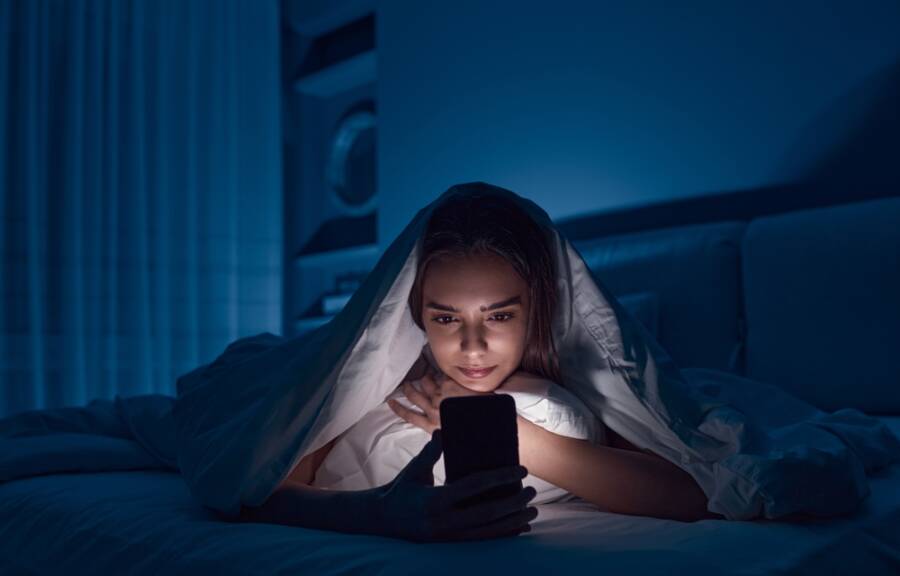
Insomnia is a sign that social media is harming your mental health. Is this even possible? Yes, because the blue light from the phone screens can disrupt the body’s normal sleep-wake cycle, resulting in insomnia and other sleep-related issues.
Overuse of social media, especially right before bed, can lead to poor sleep, which can have an impact on daily life and mental health. Try and set some boundaries and keep yourself away from your phone for at least 1 hour before you go to sleep.
Switch the phone for a book or an e-book reader, and with your doctor’s recommendation, you may take melatonin pills for a couple of weeks. You will definitely see some improvements, both in your sleep and in your overall mood.
You’re isolating yourself from others
It’s weird how things work in life, right? Social media was supposed to bring us together with our favorite people, not push us further. This happens because it isn’t a real connection. This is another alarming sign that social media is harming your mental health because people today report feeling more alone and isolated, according to studies. This is happening because we experience FOMO and a sense of exclusion in real life.
Looking back to 2020, when we relied on our phones to connect during the COVID era, it’s interesting to note that research suggests it still took a toll on our minds. To stop feeling isolated, try calling that close friend you have and ask them to hang out. If they’re ok with this idea too, maybe try and make a habit out of it and set up a date once a week. You will soon see positive results and a change in mood for sure.
You may be exposed to a flow of negative content
Are you feeling drained, sad, or even worse, depressed after reading an abundance of news from around the world? You’re not alone in the boat. Stress, anxiety, or trauma can result from social media exposure to upsetting or negative content, such as news reports about natural disasters, violence, or graphic imagery.
Are you seeking a delightful hobby to break free from that endless doom scrolling on social media? How about diving into the wonderful world of puzzles? Not only are they a fantastic way to spend your time, but they also offer benefits like enhancing your memory, boosting your attention, and helping you manage stress. Plus, they can lift your spirits and help you forget all about social media for a while! Pick your favorite from the plethora of options available on Amazon
Bottom line:
The secret is to balance the amount of time you spend on social media with the amount of time you spend scrolling through it. This is actually more important than completely abandoning social media.
Consider carefully how you can use social media to improve your life. Determine the issues resulting from abuse and overuse, then put these strategies into practice to lessen their detrimental effects and assist you in regaining your happiness, well-being, and mental health.
It won’t be easy, especially if you’re addicted to it, and let’s be honest, a lot of people are addicted to it because it triggers dopamine release in the brain, which makes us happy and eager to spend more and more time on apps. Reduce the time spent on them carefully and progressively, and most importantly be patient, otherwise, you will end up doing the same harmful habits.
How much time do you spend on social media? Tell us in the comments.
You may also want to read 5 “Normal” Things That Are Actually Depression.





Leave a Reply