Psychology Diary

The First Step Toward Change Is Awareness

  • Home
  • Relationships
  • Mental Health
  • Expert Tips
  • Life
  • Family
  • Marriage

The Psychology of Human Connection: Why We Need It More as We Age

August 31, 2025 · Relationships

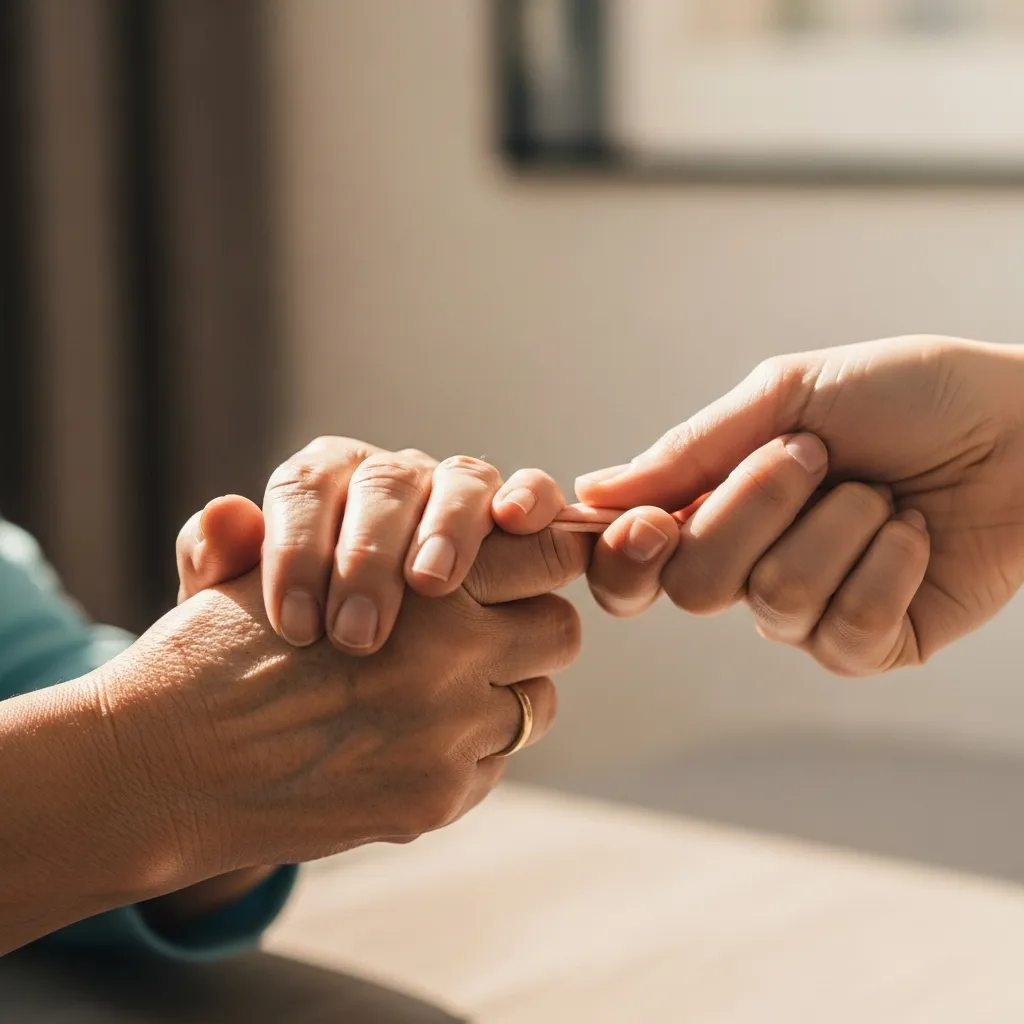
Close-up of one hand pulling away from another

The Unseen Architecture of Connection: What Science Tells Us

Why does a feeling of disconnection with a partner hurt so much? The answer lies deep within our biology. Humans are wired for connection. From birth, our survival depends on forming secure bonds with caregivers. This fundamental need doesn’t just disappear when we become adults. Our romantic partner often becomes our primary “attachment figure,” the person we turn to for comfort, safety, and support. When that bond feels frayed, our nervous system can interpret it as a threat, triggering feelings of anxiety, sadness, or even panic.

This isn’t just a feeling; it has tangible health consequences. A growing body of research, much of it supported by institutions like the National Institute on Aging (NIA), highlights the profound link between social connection and senior health. Chronic loneliness has been associated with an increased risk of high blood pressure, heart disease, cognitive decline, and a weakened immune system. Conversely, strong social bonds, especially with a spouse, can act as a powerful buffer against stress. Feeling understood and supported helps regulate stress hormones like cortisol, which, when elevated for long periods, can cause inflammation and other health problems.

The health benefits of social interaction for seniors are not built on grand gestures. They are forged in the small, everyday moments. Relationship researcher Dr. John Gottman calls these moments “bids for connection.” A bid is any attempt from one partner to another for attention, affirmation, or affection. It can be as simple as saying, “Look at that beautiful bird outside,” sharing a story from the newspaper, or reaching for their hand. How we respond to these tiny bids—by “turning toward” them with interest or “turning away” with disinterest—is what builds or erodes the trust and friendship at the heart of a lasting partnership. Over time, consistently turning toward each other’s bids fills an emotional bank account, creating a reserve of goodwill that helps you weather life’s inevitable storms together.


Pages: 1 2 3 4 5 6 7 8

Share this article

Facebook Twitter Pinterest LinkedIn Email

Leave a Reply Cancel reply

Your email address will not be published. Required fields are marked *

Search

Latest Posts

  • An editorial gouache illustration of an anonymous leader's profile silhouette filled with abstract patterns, representing public perception. The Psychology of Donald Trump: Traits, Behaviors, and Public Perception
  • An artistic mixed-media collage silhouette of a person filled with tangled threads, a clock dial, and watercolor shapes on textured paper. 9 Everyday Symptoms That May Be Linked to Anxiety
  • Lonely1, feel depression 10 Therapist-Approved Tips for When You're Feeling Lonely
  • A conceptual mixed media collage with a compass, geometric shapes, and watercolor washes symbolizing structure and flow. 8 Signs You’re a Self-Disciplined Person
  • A mixed media collage of a figure made of layered paper and watercolor, symbolizing emotional flexibility and resilience. 12 Signs You're Mentally Stronger Than You Realize
  • A mixed media collage of a person's face with shifting, layered textures and torn paper edges symbolizing a mental break. 10 Signs of a Psychotic Break
  • A conceptual illustration showing a father and daughter separated by a deep chasm in the floor of their dining room. 10 Habits That Push People Away (Your Children Too)
  • A conceptual collage of a head silhouette filled with shattered mirrors and warped photos, symbolizing reality distortion. 8 Ways People Distort Reality
  • An elderly woman sits alone at a dining table in soft afternoon light, looking down at a tea cup in a quiet, nostalgic home setting. 9 Emotional Wounds Adult Children Simply Don’t Realize They’re Inflicting On Their Parents
  • A mixed-media collage of a fragmented silhouette head with an anchor being cut, symbolizing the loss of one's grip on reality. 10 Signs Someone Is Trying to Distort Your Reality

Newsletter

Get the latest posts delivered to your inbox.

Related Articles

Hack Into the ADHD Brain: 7 Atypical Ideas With EXAMPLES

Are you in need of atypical ideas to hack into your ADHD brain? We got…

Read More →

Can Jealousy Be Healthy In A Relationship?

Jealousy is often linked to negative emotions, but it doesn’t have to be like that.…

Read More →
A mixed-media collage showing a rigid, golden silhouette with cracks revealing a soft, watercolor interior, representing performative armor.

7 Behaviors People Mistake For Confidence But Aren’t

Discover the crucial psychological differences between genuine self-assurance and the toxic, defensive behaviors people frequently…

Read More →
Two friends sitting at a kitchen table, unconsciously mirroring each other's posture by resting their chins on their hands.

7 Signs Someone Mirrors Your Personality Without Realizing It

Discover the psychology behind the chameleon effect and learn the 7 subtle signs someone is…

Read More →
men

10 Things Men Are Secretly Embarrassed About

What you heard about the stomach and heart…is all true This is a primal thing,…

Read More →
PTSD

PTSD Symptoms: 6 HEALTHY Ways Seniors Can Manage Them

Let’s take a close look at how Seniors can manage PTSD! Are you currently struggling…

Read More →
Adult Friendship Lie

5 Adult Friendship Lies We ALL Believe

Consider these adult friendship lies and misconceptions! When we have an issue with a family…

Read More →

If Your Partner Is Using These Two Words, A Breakup Might Be Inevitable

Relationships are complicated and require a lot of time and effort, but at the end…

Read More →
An elderly woman sits alone at a dining table in soft afternoon light, looking down at a tea cup in a quiet, nostalgic home setting.

9 Emotional Wounds Adult Children Simply Don’t Realize They’re Inflicting On Their Parents

Discover the nine unintentional emotional wounds adult children inflict on aging parents, and learn actionable…

Read More →

Psychology Diary

The First Step Toward Change Is Awareness

Inedit Agency S.R.L.
Bucharest, Romania

contact@psychologydiary.com

Explore

  • About Us
  • Advertiser Disclosure
  • Contact Us
  • Disclaimer
  • Do not sell my personal information
  • Editorial Policy
  • Frequently Asked Questions
  • Privacy Policy
  • Terms and Conditions
  • Subscribe
  • Unsubscribe

Categories

  • Expert Tips
  • Family
  • Life
  • Marriage
  • Mental Health

© 2026 Psychology Diary. All rights reserved.