Psychology Diary

The First Step Toward Change Is Awareness

  • Home
  • Relationships
  • Mental Health
  • Expert Tips
  • Life
  • Family
  • Marriage

Understanding Common Mental Health Challenges in Older Adults

August 31, 2025 · Mental Health

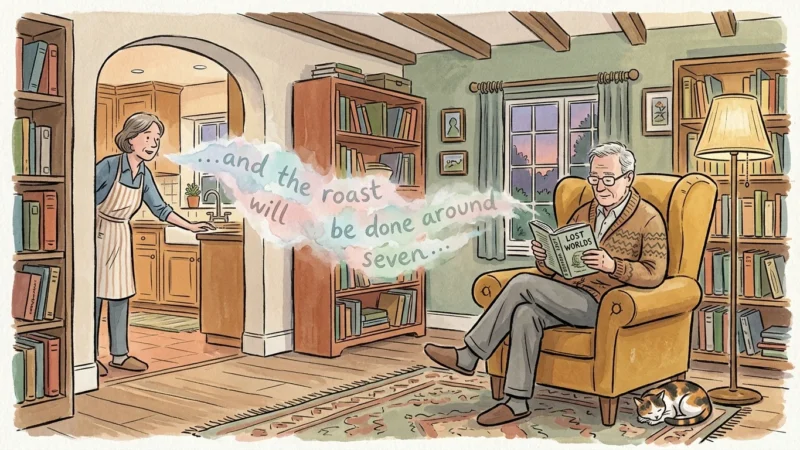
Senior woman journaling on her porch.

Frequently Asked Questions (FAQs)

Is it just a normal part of aging to feel sad or worried?

No. While it is normal to experience sadness in response to loss or worry in response to a health scare, persistent, debilitating feelings of depression or anxiety are not a normal part of aging. Chronic low mood, loss of interest, or overwhelming worry that interferes with your daily life is a sign that you could benefit from support. Well-being is possible at every age.

Can therapy still be effective for older adults?

Absolutely. Research from institutions like the American Psychological Association (APA) consistently shows that psychotherapy is highly effective for older adults, sometimes even more so than for younger populations. Older adults bring a lifetime of experience and wisdom to therapy, which can be a great asset. Therapies like CBT, IPT, and Acceptance and Commitment Therapy (ACT) are all well-supported by evidence.

How can I access therapy if I have mobility issues or live in a rural area?

Telehealth has become a fantastic option. Many therapists now offer sessions via secure video calls or even by phone. This eliminates the need for travel and allows you to have a session from the comfort of your home. If you’re not comfortable with technology, ask a family member or friend to help you with the initial setup. Medicare and many private insurance plans now cover telehealth services for mental health.

What’s the difference between a psychologist, psychiatrist, and therapist?

It can be confusing! A psychiatrist is a medical doctor (MD) who can diagnose mental health conditions and prescribe medication. A psychologist has a doctoral degree (PhD or PsyD) and specializes in psychotherapy (talk therapy) and psychological testing. A therapist is a broader term that can include licensed professional counselors (LPC) or licensed clinical social workers (LCSW), who are also trained to provide psychotherapy. Often, a person might see a psychiatrist for medication management and a therapist for weekly talk therapy sessions.

Pages: 1 2 3 4 5 6 7 8 9 10

Share this article

Facebook Twitter Pinterest LinkedIn Email

Leave a Reply Cancel reply

Your email address will not be published. Required fields are marked *

Search

Latest Posts

  • A conceptual illustration showing a father and daughter separated by a deep chasm in the floor of their dining room. 10 Habits That Push People Away (Your Children Too)
  • A conceptual collage of a head silhouette filled with shattered mirrors and warped photos, symbolizing reality distortion. 8 Ways People Distort Reality
  • An elderly woman sits alone at a dining table in soft afternoon light, looking down at a tea cup in a quiet, nostalgic home setting. 9 Emotional Wounds Adult Children Simply Don’t Realize They’re Inflicting On Their Parents
  • A mixed-media collage of a fragmented silhouette head with an anchor being cut, symbolizing the loss of one's grip on reality. 10 Signs Someone Is Trying to Distort Your Reality
  • A mixed media collage of a beautiful white flower with hidden barbed wire roots and thorny stems on a textured vintage paper background. 8 Behaviors That Reveal Hidden Toxicity
  • A candid photo of a couple in a dim living room, showing a sense of emotional distance and unspoken tension. 10 Traits That May Reveal Covert Narcissism
  • A couple sits on a sofa in a dimly lit room, one person looking at a phone while the other looks away, capturing a moment of secrecy. 8 Signs Someone May Be Hiding More Than They Admit
  • An ink and watercolor illustration of a human head cracking like stone, with golden light leaking through the fissures. 11 Small Clues That Can Expose a Lie
  • An abstract editorial illustration of a silhouette with a tangled nest of lines inside its head, symbolizing mental confusion. 8 Warning Signs Someone May Be Playing Mind Games
  • A mixed media collage of a silhouette filled with torn paper and translucent layers, symbolizing the invisible nature of emotional neglect. 10 Traits of People Emotionally Neglected as Kids

Newsletter

Get the latest posts delivered to your inbox.

Related Articles

cope with health anxiety

Hypochondria: 7 Tips on How to Cope With Health Anxiety

7. Look at the evidence Last but not least on our list of ways to…

Read More →
schizophrenia

6 Risk Factors for Schizophrenia Every Senior Must Know

Hallucinations Hallucinations involve fictitious experiences. Hearing voices is the most common hallucination in people with…

Read More →
Borderline Personality Disorder

Borderline Personality Disorder: 8 Most Scary Misunderstandings

Let’s talk about the most common myths surrounding borderline personality disorder. Borderline personality disorder is…

Read More →
An older woman in a knit sweater sits on a porch at dawn, holding a steaming mug and looking thoughtfully at a misty garden.

The Power of Gratitude: How Seniors Can Use It to Live Happier Lives

Discover how a daily gratitude practice can help seniors improve mental well-being, protect cognitive health,…

Read More →
Alzheimer's and Parkinson's

Alzheimer’s vs. Parkinson’s: 7 Differences and Symptoms You Must Know

Alzheimer’s and Parkinson’s: both of them are serious medical conditions. Let us clarify the main…

Read More →
OCD, mental health

People with OCD Usually Share These 8 Strange Traits

8. Excessively seeking reassurance Even if there is nothing wrong with reassurance, we do need…

Read More →
Betrayal Trauma

Betrayal Trauma: 7 Signs You May Have It Too

How Does Betrayal Trauma Work? Can It Be Completely Healed? When your partner or your…

Read More →
Narcissist psychopaths

Psychopaths Do These 9 Things

We can all agree that psychopathy is a widely debated topic as far as psychology…

Read More →
high-level thinker

Are You a High-Level Thinker? Read What Psychologists Say

How can you tell if you are a high-level thinker?  When you say “high-level thinker,”…

Read More →

Psychology Diary

The First Step Toward Change Is Awareness

Inedit Agency S.R.L.
Bucharest, Romania

contact@psychologydiary.com

Explore

  • About Us
  • Advertiser Disclosure
  • Contact Us
  • Disclaimer
  • Do not sell my personal information
  • Editorial Policy
  • Frequently Asked Questions
  • Privacy Policy
  • Terms and Conditions
  • Subscribe
  • Unsubscribe

Categories

  • Expert Tips
  • Family
  • Life
  • Marriage
  • Mental Health

© 2026 Psychology Diary. All rights reserved.