Psychology Diary

The First Step Toward Change Is Awareness

  • Home
  • Relationships
  • Mental Health
  • Expert Tips
  • Life
  • Family
  • Marriage

Grandparenting from a Psychologist’s Perspective: How to Build a Strong Bond

August 31, 2025 · Family

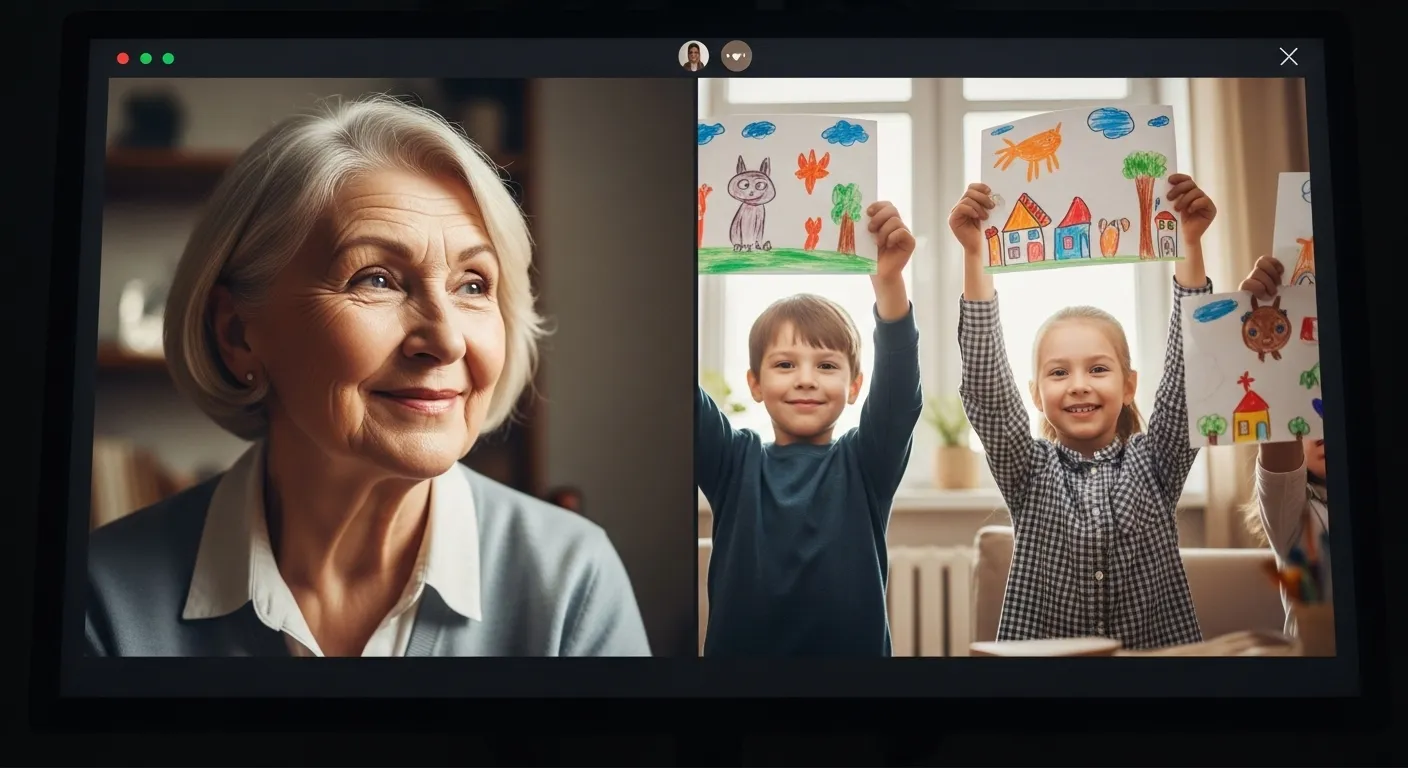
Grandmother and grandchildren on video call, sharing drawings.

Grandparenting from Afar: Closing the Distance with Connection

In today’s mobile world, many grandparents live miles away from their grandchildren. While this presents challenges, distance does not have to mean disconnection. Technology offers incredible tools for maintaining a strong bond, but the secret is not the technology itself—it’s the consistency and quality of the interaction.

The goal is to move beyond the occasional, awkward “how was school?” call and create predictable rituals of connection. A scheduled weekly video call can become a cherished routine. To make these calls more engaging for young children, try incorporating an activity. You could read a bedtime story, with them turning the pages of their copy at home. You could play a simple online game together, like checkers or a drawing game. You could do a “show and tell,” where they show you their latest art project and you show them something from your garden.

Don’t underestimate the power of “old-fashioned” methods, either. Sending physical mail—a postcard, a short letter, a clipping from a magazine you think they’d like—can feel incredibly special in a digital age. It’s a tangible piece of your love that they can hold in their hands.

Consider creating a shared digital photo album where you and the parents can upload pictures. You can leave comments on their photos, and they can see what you’ve been up to. This creates a gentle, ongoing sense of shared life, even when you’re apart. The key to successful long-distance grandparenting is intentionality. It requires more planning, but the effort to create consistent, loving touchpoints can build a bond just as strong as one forged in person.


Pages: 1 2 3 4 5 6 7 8 9

Share this article

Facebook Twitter Pinterest LinkedIn Email

Leave a Reply Cancel reply

Your email address will not be published. Required fields are marked *

Search

Latest Posts

  • A mixed media collage of a silhouette filled with torn paper and translucent layers, symbolizing the invisible nature of emotional neglect. 10 Traits of People Emotionally Neglected as Kids
  • A mixed-media collage showing a rigid, golden silhouette with cracks revealing a soft, watercolor interior, representing performative armor. 7 Behaviors People Mistake For Confidence But Aren’t
  • A woman sits alone at a kitchen table in dim evening light while her partner stands in the background, illustrating emotional distance. 9 Psychological Reasons Why People Stay in Unhappy Relationships
  • An illustration of a person using a prism to turn a chaotic blue wave into a clear spectrum of distinct colors. 10 Signs You Have Exceptionally High Emotional Intelligence
  • A mixed-media collage of an older person's profile filled with childhood drawings and school reports, representing deep-seated habits. 8 Childhood Habits That Still Secretly Shape Your Personality After 60
  • An abstract mixed-media piece showing bright yellow and orange splashes like a laugh, covering a dark, dense gray background. 7 Signs Someone Uses Humor To Avoid Serious Conversations
  • Two friends sitting at a kitchen table, unconsciously mirroring each other's posture by resting their chins on their hands. 7 Signs Someone Mirrors Your Personality Without Realizing It
  • A woman laughs at her phone while her friend sits beside her on a sofa with a forced, thin smile and envious eyes. 7 Friendship Behaviors That Reveal Hidden Jealousy
  • A mixed media collage showing a glowing smartphone screen inside a mirror frame, casting a shadow of a staged performance on a curtain. 7 Signs Someone Is Performing Kindness For Attention
  • A mixed media collage of a person in a theatrical spotlight while their partner sits in the shadows of a theater audience. 7 Signs Someone Loves Attention More Than They Love You

Newsletter

Get the latest posts delivered to your inbox.

Related Articles

toxic family

12 Signs You’re Dealing With a Toxic Family Member

Punishment is always harsher than it should be Of course, discipline is needed when it…

Read More →
pushing your adult children away

Top 7 Worst Subtle Ways You’re Pushing Your Adult Children Away

You’re keeping track of how much time they spend with you One of the subtle…

Read More →

23 Things American Parents Usually Do and the Rest of the World Doesn’t

Growing up in the United States definitely comes with a lot of fun, but we…

Read More →

Why Your In-Laws Are Driving You Crazy

As some would say, you either love or hate your in-laws, there’s no in-between. But…

Read More →

Your In-Laws Might Cause You These 9 Common Troubles

You have to consider your in-laws too when you are getting married! When you decide…

Read More →

60 Things Grandparents Should Never Do

Grandparents can be a lifesaver. They can improve discipline strategies, give wise advice to new…

Read More →
empty nest syndrome

Empty Nest Syndrome: Adjusting to Life After Children Leave Home

What is the empty nest syndrome? Being a parent was never easy, but with all…

Read More →
Generational Trauma

Generational Trauma: 9 Effective Ways to Get Off the Hamster Wheel

Is it possible to break the cycle of generational trauma? You’ve heard the saying “Hurt…

Read More →
Emotionally Immature

5 Signs Your Parents Were Emotionally Immature

Emotionally Immature parents can leave deep scars Go back in time and try to think…

Read More →

Psychology Diary

The First Step Toward Change Is Awareness

Inedit Agency S.R.L.
Bucharest, Romania

contact@psychologydiary.com

Explore

  • About Us
  • Advertiser Disclosure
  • Contact Us
  • Disclaimer
  • Do not sell my personal information
  • Editorial Policy
  • Frequently Asked Questions
  • Privacy Policy
  • Terms and Conditions
  • Subscribe
  • Unsubscribe

Categories

  • Expert Tips
  • Family
  • Life
  • Marriage
  • Mental Health

© 2026 Psychology Diary. All rights reserved.