Psychology Diary

The First Step Toward Change Is Awareness

  • Home
  • Relationships
  • Mental Health
  • Expert Tips
  • Life
  • Family
  • Marriage

Understanding Seasonal Affective Disorder (SAD) in Older Adults

August 31, 2025 · Mental Health

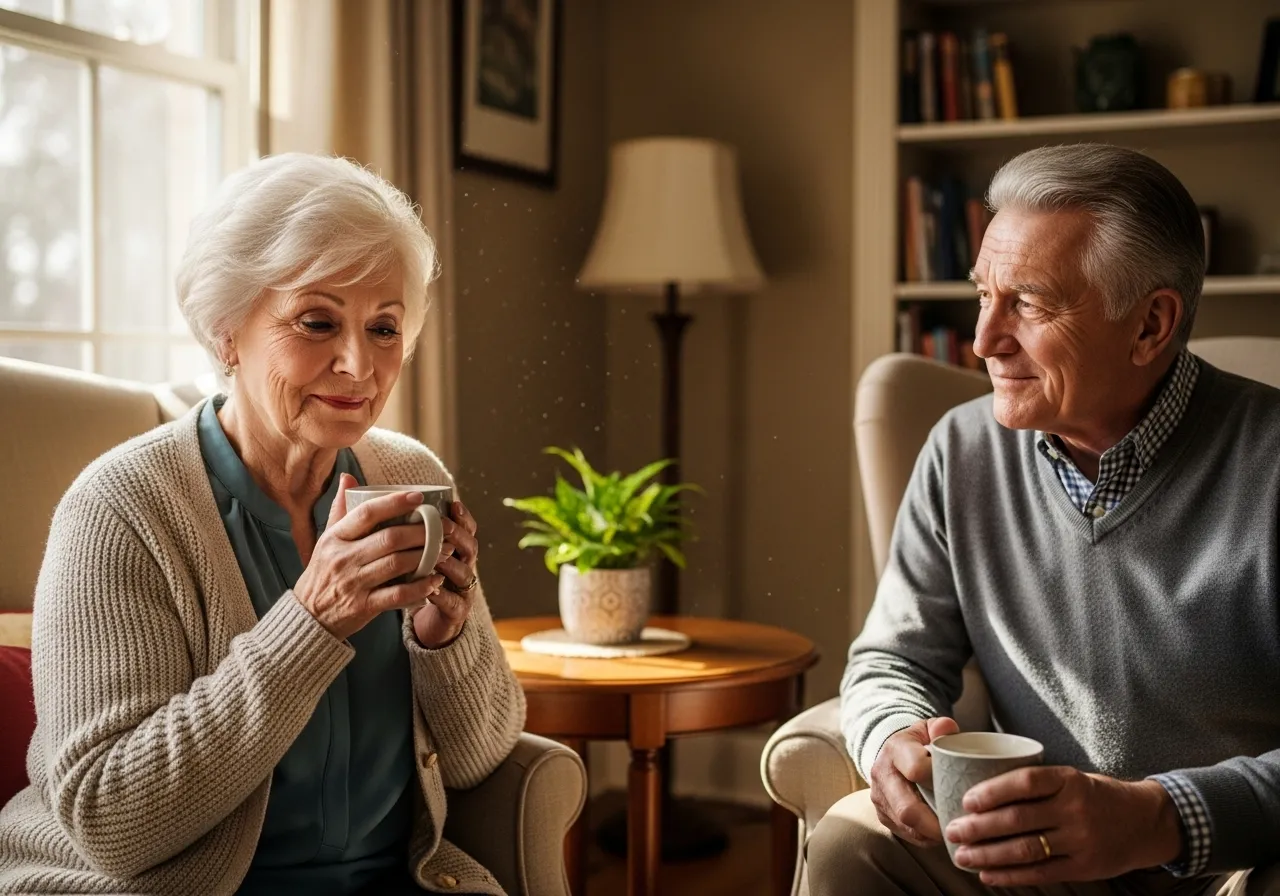
Two seniors enjoying a warm drink together indoors.

Frequently Asked Questions (FAQ)

Is SAD just the ‘winter blues’?

While the terms are often used interchangeably, they are not the same. The “winter blues” refers to a milder feeling of lethargy or sadness that many people experience during the winter. It’s generally short-lived and doesn’t significantly impair a person’s ability to function. SAD, on the other hand, is a clinical diagnosis of major depression with a seasonal pattern. Its symptoms are more severe, last for several months, and have a significant negative impact on a person’s daily life, relationships, and well-being.

Can you develop SAD later in life?

Yes. While SAD often first appears in young adulthood, it is entirely possible for it to develop for the first time in older adults. Sometimes, its onset can be triggered or unmasked by major life changes common in later years, such as retirement, a change in health status, or the loss of a spouse. The physiological changes of aging might also make some individuals more vulnerable to the effects of reduced sunlight.

Does moving to a sunnier climate cure SAD?

For some individuals, moving to a location with more sun year-round can significantly reduce or even eliminate symptoms of SAD. However, this is not a guaranteed cure, nor is it a practical solution for most people. SAD is a complex condition, and factors beyond just sunlight—such as genetics and brain chemistry—also play a role. Furthermore, moving can introduce its own set of stressors, such as leaving behind a social support network, which could potentially worsen feelings of depression and isolation.

Pages: 1 2 3 4 5 6 7 8 9

Share this article

Facebook Twitter Pinterest LinkedIn Email

Leave a Reply Cancel reply

Your email address will not be published. Required fields are marked *

Search

Latest Posts

  • A mixed media collage of a silhouette filled with torn paper and translucent layers, symbolizing the invisible nature of emotional neglect. 10 Traits of People Emotionally Neglected as Kids
  • A mixed-media collage showing a rigid, golden silhouette with cracks revealing a soft, watercolor interior, representing performative armor. 7 Behaviors People Mistake For Confidence But Aren’t
  • A woman sits alone at a kitchen table in dim evening light while her partner stands in the background, illustrating emotional distance. 9 Psychological Reasons Why People Stay in Unhappy Relationships
  • An illustration of a person using a prism to turn a chaotic blue wave into a clear spectrum of distinct colors. 10 Signs You Have Exceptionally High Emotional Intelligence
  • A mixed-media collage of an older person's profile filled with childhood drawings and school reports, representing deep-seated habits. 8 Childhood Habits That Still Secretly Shape Your Personality After 60
  • An abstract mixed-media piece showing bright yellow and orange splashes like a laugh, covering a dark, dense gray background. 7 Signs Someone Uses Humor To Avoid Serious Conversations
  • Two friends sitting at a kitchen table, unconsciously mirroring each other's posture by resting their chins on their hands. 7 Signs Someone Mirrors Your Personality Without Realizing It
  • A woman laughs at her phone while her friend sits beside her on a sofa with a forced, thin smile and envious eyes. 7 Friendship Behaviors That Reveal Hidden Jealousy
  • A mixed media collage showing a glowing smartphone screen inside a mirror frame, casting a shadow of a staged performance on a curtain. 7 Signs Someone Is Performing Kindness For Attention
  • A mixed media collage of a person in a theatrical spotlight while their partner sits in the shadows of a theater audience. 7 Signs Someone Loves Attention More Than They Love You

Newsletter

Get the latest posts delivered to your inbox.

Related Articles

how to stop catastrophizing

5 Tips to Help You Stop Catastrophizing

Do you want to know how to stop catastrophizing? This can be a really helpful…

Read More →
Aging

5 Negative Ways Aging Seriously Impacts a Senior’s Mental Health

How Can You Help A Senior You Care About With Their Mental Health Issues? We’ve…

Read More →
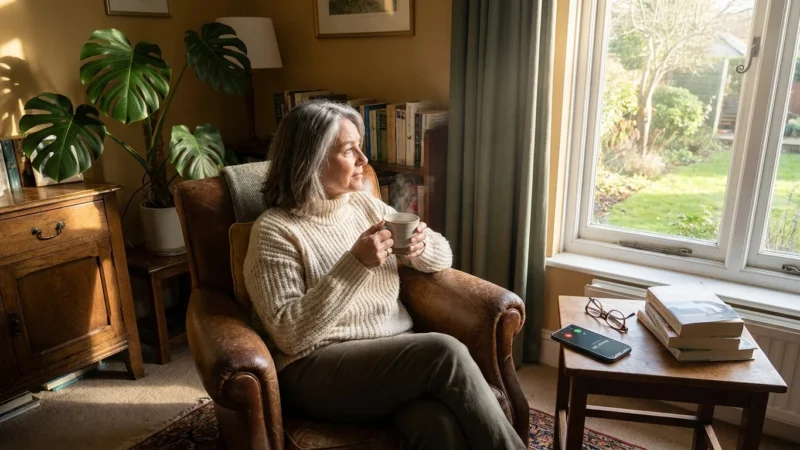
A woman in her 60s sits thoughtfully in a sunlit living room with a mug of tea, reflecting on connection and solitude.

Why Loneliness Hits Harder After 60—and How to Fix It

Discover why loneliness intensifies after 60, learn the difference between solitude and isolation, and explore…

Read More →
traits most criminals share

9 Psychological Common Traits Most Criminals Share

What are the traits most criminals share?  People like John Wayne Gacy, Jeffrey Dahmer, and…

Read More →
midlife crisis

7 Alarming Signs You’re Going Through a Midlife Crisis

What is a midlife crisis, and how can you manage it?  You get to “that…

Read More →
adhd burnout

ADHD Burnout: What Is It and Do You Have It?

Have you ever heard of ADHD burnout? While we have all heard about ADHD and…

Read More →
physical activity

8 Reasons Why Physical activity Is Good for Our Mental Health

Today, we will craft a guide meant to provide you with various tips on how…

Read More →
depression anxiety

Depression vs. Anxiety: Which One Do You Have?

How can you tell if you have depression or anxiety? Two examples of mood disorders…

Read More →
Mood Swings

Mood Swings: Normal or Not?…and 4 Simple Ways to Dominate Them

Are those mood swings you’ve been having normal? The name may be simple enough, but…

Read More →

Psychology Diary

The First Step Toward Change Is Awareness

Inedit Agency S.R.L.
Bucharest, Romania

contact@psychologydiary.com

Explore

  • About Us
  • Advertiser Disclosure
  • Contact Us
  • Disclaimer
  • Do not sell my personal information
  • Editorial Policy
  • Frequently Asked Questions
  • Privacy Policy
  • Terms and Conditions
  • Subscribe
  • Unsubscribe

Categories

  • Expert Tips
  • Family
  • Life
  • Marriage
  • Mental Health

© 2026 Psychology Diary. All rights reserved.