

Alzheimer’s and Parkinson’s: both of them are serious medical conditions. Let us clarify the main differences and symptoms between them for you:
Contrary to popular belief, there is no such thing as everybody who gets old should have dementia, Parkinson’s, or Alzheimer’s disease. These three particular mental health issues aren’t something that instantly after you pass a certain age you get them.
Because over the years there has been a huge misunderstanding regarding this issue, in today’s article we will make a list of the main differences and symptoms between the two, and with the help of the experts, we will explain everything in detail. Let’s begin by saying what happens when you have Alzheimer’s and Parkinson’s:

What happens when you have Alzheimer’s?
Alzheimer’s is a kind of dementia that impairs thinking, behavior, and memory. Eventually, the symptoms become severe enough to make day-to-day chores difficult. It is an irreversible brain degeneration that affects older people and results in memory loss, cognitive decline, personality changes, and other problems that ultimately cause total brain failure and death.
This kind of illness is more likely to occur in those who have a traumatic brain injury, diabetes, other medical conditions, nutrition, exercise, smoking, and other environmental and genetic variables.
Dementia is not a typical aspect of growing older. Growing older is the biggest known risk factor, and most Alzheimer’s patients are 65 years of age or older. After talking a bit about what Parkinson’s disease means, we will state the differences between Alzheimer’s and Parkinson’s.
None of them don’t have a cure per se, but with the right type of treatment, the symptoms can be ameliorated.
What happens when you have Parkinson’s?
Parts of your brain degenerate with Parkinson’s disease, a degenerative brain illness associated with aging. Although the most well-known impacts of this disorder are related to balance, movement, and muscular control, there are many additional implications it may have on your senses, cognitive function, mental health, and more. While most instances are caused by unknown factors, some are hereditary. Although there is no known cure for the illness, there are several therapeutic approaches.
We identify several additional linked symptoms of Parkinson’s disease (PD), such as a blank face, hushed speaking, tense handwriting, a stumbling walk, difficulty rising from a chair, and problems eating.
Several signs associated with idiopathic Parkinson’s disease arise from the malfunctioning and death of certain nerve cells in the brain that create dopamine.
Age of onset
Most people who suffer from Alzheimer’s disease begin to have the first symptoms around the mid-60s. Usually, Parkinson’s disease starts a bit earlier compared to Alzheimer’s, somewhere between 50 and 65, but the average onset is also around 62 years old. Similar to AD symptoms, PD symptoms are brought on by the death of brain cells.
Depression
For both Alzheimer’s and Parkinson’s disease, depression is mutual. And compared to other symptoms, depression is always something difficult to detect. But whenever your loved one becomes agitated, confused, and lost (these two are very common for Alzheimer’s, especially), there might be signs there is something wrong with them, make sure you talk to a doctor as soon as possible.
According to experts’ reports, up to 40% of the patients who suffer from Alzheimer’s and Parkinson’s suffer from significant depression they aren’t aware of. In these cases, depression is even harder because it usually interferes with other symptoms of these diseases.
Do you want to help a loved one who already has Alzheimer’s and Parkinson’s or just one of them but you don’t really know how? First of all, you must ask for professional help. Because our article is just a small part of what these two diseases are, for a better understanding of these diseases, we recommend further research.
Forget Me Not is an excellent guidebook for professional and family caregivers dealing with Alzheimer’s and Dementia. This book is written by doctors and is now available in both paper and hardcover editions on Amazon at an amazing price of only $19.99.
Cognitive decline
Cognitive decline is a common trait for both Alzheimer’s and Parkinson’s disease. Up to half of Parkinson’s disease patients experience cognitive impairments, which can vary from simple forgetfulness to advanced dementia.
Because the damaged brain areas are in distinct regions of the brain than those of “cortical” dementia, such as Alzheimer’s disease, the dementia caused by Parkinson’s disease is referred to as “subcortical” dementia.
Because Parkinson’s dementia involves memory retrieval rather than the storage of new information, as does AD dementia, diminished physical activity can be accompanied by slower thinking and memory impairments that respond better to reminders.
Psychotic behavior
Delusions and hallucinations are examples of psychotic behavior that can arise in both Alzheimer’s and Parkinson’s disease. These symptoms may point to delirium brought on by an infection or other illnesses in both diseases.
The downside to this is that some medications used to treat the symptoms of movement disorders can increase the chance of psychotic symptoms in people with Parkinson’s disease. These generally beneficial drugs might cause hallucinations and paranoid thoughts when used in larger dosages.
Family history
This is probably one of the major differences between Alzheimer’s and Parkinson’s disease. It’s possible to inherit Parkinson’s disease from one or both of your parents if it has a hereditary etiology. But only around 10% of cases are like this.
At least seven distinct genes have been connected by experts to Parkinson’s disease. Three of those have been connected to the early onset of the illness. Certain genetic mutations also result in distinct traits that set them apart. One thing is for sure: neither Alzheimer’s nor Parkinson’s are contagious diseases.
Both Alzheimer’s and Parkinson’s can’t be cured
Unfortunately, both Alzheimer’s and Parkinson’s diseases have no recognized treatments. On the other hand, various medical interventions can lessen the disease’s consequences.
Treatments for Parkinson’s disease and Alzheimer’s disease may involve cognitive and behavioral therapy; however, physical therapy is also advised for Parkinson’s disease to reduce symptoms and enhance the quality of life.
Patients with Alzheimer’s disease may be administered medications like galantamine and donepezil. On the other hand, for patients who have been diagnosed with Parkinson’s, the best-recommended medicine is levodopa, which can slow the progression of the disease. Based on the doctor’s recommendation, levodopa can be taken in conjunction with others.
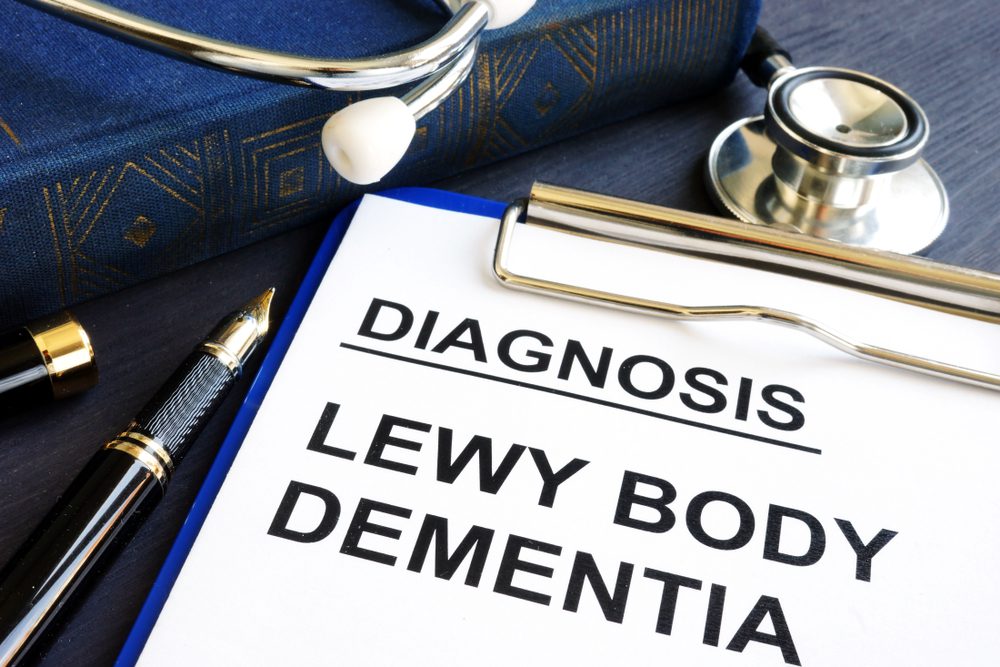
Lewy body dementia
Some elderly people experience cognitive impairments that resemble Alzheimer’s just before or after acquiring Parkinson ‘s-like movement symptoms. This mix of altered mobility and cognitive functioning is typical of Lewy body dementia, which is regarded by some as the second most prevalent kind of dementia.
Lewy body dementia is a disorder that, despite having microscopic brain findings comparable to Parkinson’s, is characterized by a substantial deterioration in cognitive function that can occasionally outweigh movement symptoms. This condition is usually characterized by abrupt changes in cognitive abilities, falls, and psychotic symptoms.
Takeaway about Alzheimer’s and Parkinson’s:
Differentiating between neurodegenerative disorders is crucial since it aids in choosing the most appropriate course of treatment. Parkinson’s disease patients will at least have delayed movements or muscular rigidity, whereas Alzheimer’s disease patients will have decreased coordination.
Patients suffering from Parkinson’s disease have trouble recalling past events, but those with Alzheimer’s disease have trouble learning new things.
Given that both conditions cause sleep deprivation, the patient must take the prescribed prescription to enable them to get at least 7 hours of sleep per night.
We hope that this article was informational for you and if you enjoyed reading it and you’re new around here hit that subscribe button and let us take care of the rest. It’s free of charge and once or twice a week you will get the best news right into your inbox.
You may also be interested in reading about Subtle Signs of Dementia: 6 Important Things You Need to Know.







I HAVE PARKINSONS DISEASE
I believe dementia is setting in. Do not know what a website is.