Psychology Diary

The First Step Toward Change Is Awareness

  • Home
  • Relationships
  • Mental Health
  • Expert Tips
  • Life
  • Family
  • Marriage

6 Smart Tips on Adjusting to Living Alone as a Senior

February 18, 2023 · Life
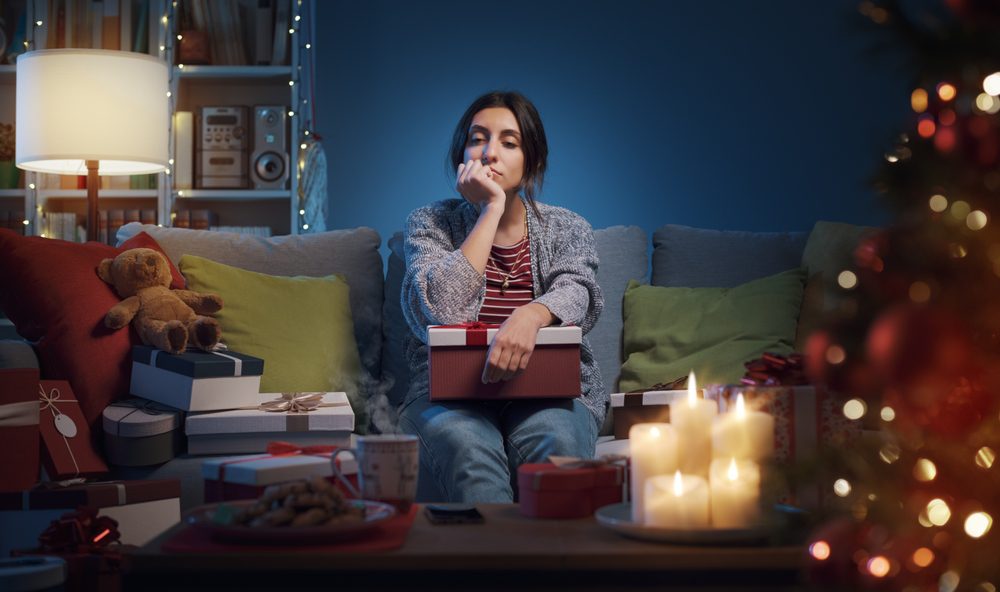
Living Alone
Photo by ESB Professional at Shutterstock

Continue Healthy Habits

Besides keeping yourself active, one of the biggest things those living alone after 55 can do to continue living a purposeful and healthy life is to keep up with some good habits. This can include things like:

  1. Taking care of the way you look: If you look good, you feel good. It’s a common phrase, but it doesn’t make it less accurate. And the concept doesn’t have to change as we age. Now, we’re not saying you should spend your time at the salon. We’re talking about the small things, including: Getting dressed every morning. Drinking water regularly. Having a daily skin routine… Or anything else that will make you feel good.
  2. Maintain a nutritious diet: Cooking for yourself may feel less enjoyable, or you might not think it’s worth it. Eating a meal alone can remind some of how alone they really are. And for many aging adults, appetites change, and eating healthy meals becomes less of a priority. But nurturing your body is one of the best ways of promoting health and independence. We recommend reaching out to friends, family, or community members to meet for lunch or dinner weekly. You can even sign up for a meal subscription box. It makes cooking healthy meals easy and convenient.

Pages: 1 2 3 4 5 6 7

Share this article

Facebook Twitter Pinterest LinkedIn Email

One response to “6 Smart Tips on Adjusting to Living Alone as a Senior”

  1. joyce knight says:
    April 2, 2023 at 6:17 pm

    I started a group of 10 ladies who get together on the 3rd. Thursday of the month and play the phase 10 card game. We begin at 11 am and eat hour devours and drink wine. Then we have lunch at about 12:30 pm. and then go back to the card game. We are all retired ladies and we rotate the card game at different ladies’ homes.

    We also go to other events together, and some of us go to Zumba class together and others go to Line Dancing class together. This year, a number of us started working as substitutes in the office at our local school system. We keep pretty busy. But it all started with our card game.

    Reply

Leave a Reply Cancel reply

Your email address will not be published. Required fields are marked *

Search

Latest Posts

  • A conceptual illustration showing a father and daughter separated by a deep chasm in the floor of their dining room. 10 Habits That Push People Away (Your Children Too)
  • A conceptual collage of a head silhouette filled with shattered mirrors and warped photos, symbolizing reality distortion. 8 Ways People Distort Reality
  • An elderly woman sits alone at a dining table in soft afternoon light, looking down at a tea cup in a quiet, nostalgic home setting. 9 Emotional Wounds Adult Children Simply Don’t Realize They’re Inflicting On Their Parents
  • A mixed-media collage of a fragmented silhouette head with an anchor being cut, symbolizing the loss of one's grip on reality. 10 Signs Someone Is Trying to Distort Your Reality
  • A mixed media collage of a beautiful white flower with hidden barbed wire roots and thorny stems on a textured vintage paper background. 8 Behaviors That Reveal Hidden Toxicity
  • A candid photo of a couple in a dim living room, showing a sense of emotional distance and unspoken tension. 10 Traits That May Reveal Covert Narcissism
  • A couple sits on a sofa in a dimly lit room, one person looking at a phone while the other looks away, capturing a moment of secrecy. 8 Signs Someone May Be Hiding More Than They Admit
  • An ink and watercolor illustration of a human head cracking like stone, with golden light leaking through the fissures. 11 Small Clues That Can Expose a Lie
  • An abstract editorial illustration of a silhouette with a tangled nest of lines inside its head, symbolizing mental confusion. 8 Warning Signs Someone May Be Playing Mind Games
  • A mixed media collage of a silhouette filled with torn paper and translucent layers, symbolizing the invisible nature of emotional neglect. 10 Traits of People Emotionally Neglected as Kids

Newsletter

Get the latest posts delivered to your inbox.

Related Articles

toxic self relationship and self love, taking to a narcissist, midlife crisis

Midlife Crisis: 6 Ways Women Can Embrace Change and Thrive

Are you a woman going through a midlife crisis? Then this article is for you!…

Read More →
no

8 Times You Should Say ‘NO’ for a Better Life

5. Comparing yourself to other people One of the things that most therapists will say…

Read More →
narcissistic personality disorder

Identifying Narcissists: Blink and You’ll Miss These 10 Subtle Signs

How easy is it to recognize a narcissistic personality disorder in a person? Narcissism has…

Read More →
Freudian slip psychopaths

4 Ways You Unconciously Lived Your Life (Freudian Slips)

What is a Freudian slip? It is a verbal or memory mistake deeply related to…

Read More →
things

Seniors Only: 8 Things You Should Stop After 60

4. Stop over-supporting your adult kids While it’s important to show your children that you…

Read More →
Family Trauma Survivor

Family Trauma Survivors: 15 Personality Traits They ALL Share

Fears of social situations When we grow up in circumstances where interacting with others is…

Read More →
Older woman looking at photo album in living room.

From a Therapist’s Point of View: The Most Common Regrets People Have in Later Life

Regret 4: “I Wish I Had Let Myself Be Happier.” This is a subtle but…

Read More →
fake people, mind games

Watch Out! 8 Shocking Habits That Fake People Share

Watch out! There are many fake people out there and you need to protect your…

Read More →
True Crime

7 Psychological Reasons We Love True Crime Shows

Can there be a psychological reason you love true crime so much? From sneaking in…

Read More →

Psychology Diary

The First Step Toward Change Is Awareness

Inedit Agency S.R.L.
Bucharest, Romania

contact@psychologydiary.com

Explore

  • About Us
  • Advertiser Disclosure
  • Contact Us
  • Disclaimer
  • Do not sell my personal information
  • Editorial Policy
  • Frequently Asked Questions
  • Privacy Policy
  • Terms and Conditions
  • Subscribe
  • Unsubscribe

Categories

  • Expert Tips
  • Family
  • Life
  • Marriage
  • Mental Health

© 2026 Psychology Diary. All rights reserved.