

The general public’s mental health difficulties are now widely accepted by society, which represents huge and significant progress. More people these days understand the value of self-care practices and actively encourage a positive outlook in their daily lives. However, there is still a sizable portion of the population that is frequently ignored because of myths.
As we concentrate on the obvious symptoms of aging in seniors, their mental health is frequently neglected. Furthermore, discussions about mental health frequently center on youth. Given this, there are a lot of misconceptions about seniors’ mental health. In this post, we’ll dispel some of the more widespread ones.
1. “Depression is something normal for seniors”
It’s true that after retirement, seniors feel a bit overwhelmed and sadder than usual, but that doesn’t mean depression has to become something normal. Contrary to what some people believe, this is a myth because depression doesn’t have to be a part of aging.
Statistics say that a lot of elders experience loneliness or major health diagnoses that influence their mental health, and this has to be treated accordingly since it goes beyond just being depressed, upset over a loss, or having a persistent illness. Fortunately, there is a positive aspect to that as well.
Various forms of therapy or antidepressant pills can be used to treat depression. Additionally, making lifestyle adjustments like getting enough sleep, exercising, and eating a nutritious diet can all help reduce the symptoms of sadness.
2. “Mental health issues will go away with time”
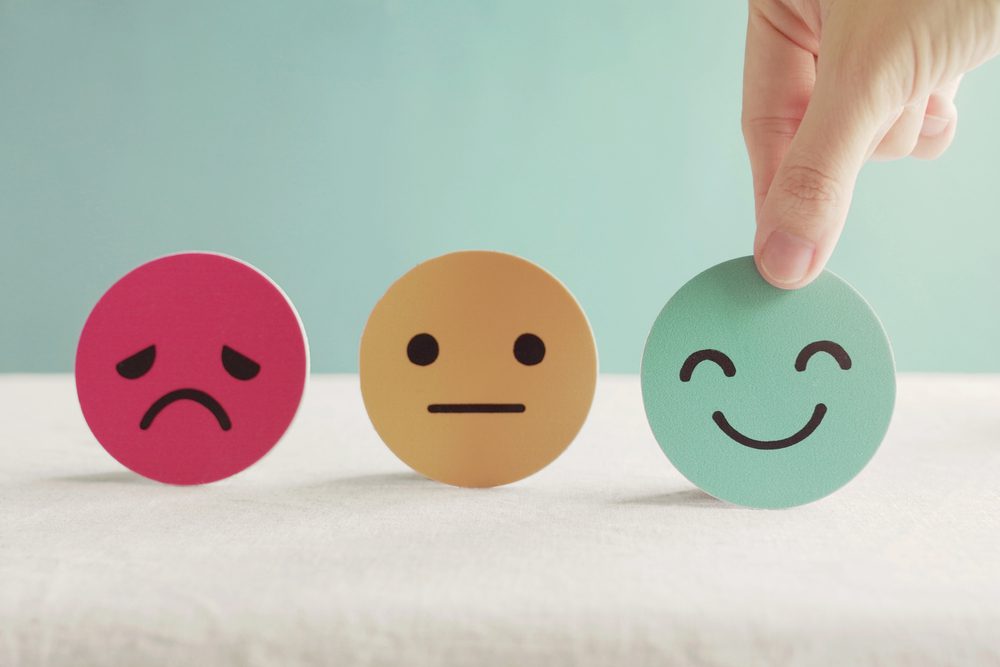
One of the worst myths about mental health is definitely this one! How can someone believe that everything will go away with time? These symptoms may be transient, but they vary from person to person. Anxiety, for example, can be treated with therapy, and in most cases, if the person can’t handle themselves, their therapist or doctor determines if they also require medication paired with the therapy.
Be cautious if you are experiencing symptoms such as hopelessness and sadness for an extended period of time, because they can disrupt daily routines and completely destabilize your mental health. If you know someone who is dealing with this kind of stuff, make sure you show them your support!
3. “People who experience anxiety or depression are usually violent”
Another common myth among mental health myths is that “people who experience anxiety or depression are usually violent.” Media portrayals of mental health illnesses are frequently inaccurate. For instance, characters with schizophrenia are frequently represented as having a propensity to injure either themselves or other people. Mental illness is frequently linked to spiritual influences in some cultures.
These myths are detrimental, but they also hide the truth that those who have mental health problems are also violently attacked. According to studies, victims of all ages are subjected to experiences of violence, violent threats, and verbal or physical abuse, all of which can have a negative psychological impact on the victim.
4. “It’s TOO LATE for therapy
I don’t know why these myths are believed by seniors, but this one is totally bogus! A lot of people tend to believe that therapy isn’t for them, and even if they try it, they won’t see any spectacular results. In fact, depression, for example, is a serious illness, and nobody can guarantee you will instantly feel better after a couple of therapy sessions. But in case someone needs medication (and most people who are dealing with depression take medication to feel better), you won’t be able to take it without a medical prescription.
Therapy for seniors can be challenging, especially if you are unable to move yourself to the cabinet on your own. Some others worry about the costs of the therapy because it can get expensive, while others fear the cost of the medication. After the pandemic started, a lot of people moved their appointments online, and in most cases, the costs also diminished.
5. “You can self-diagnose your loved one’s symptoms”
One of the worst myths we’ve ever heard is this one! There is no such thing as diagnosing a family member’s health issue based on what you’ve read on the internet or in books. Unless you’re a doctor! For instance, just because you’ve seen your loved one’s mood swings recently doesn’t mean you can label them as having bipolar illness. While it’s critical to educate oneself about mental health and learn the warning signals, the best approach is to seek professional assistance.
You may think, “Why?” A person who has been trained and educated in this area will know exactly what treatment is best for a particular mental health condition.

6. “Once you start on antidepressants, you can’t go back”
Another myth that has circulated for a while now is that once you go down the antidepressant path, there is no turning back. That’s completely misleading, especially for those who don’t know anything about this subject. It’s true that these types of medications won’t cure the patient 100%, but a lot of studies can prove that they can help manage the symptoms.
Only those who repeatedly relapse need to be on a higher dosage. Antidepressants can also lead to dependence, even though they often do not induce addiction. To learn more, talk to your doctor, because they will know exactly if you need these pills or not.
7. “Negative behaviors are just normal senior stubbornness”
One of the biggest myths that stands out is that seniors are always cranky. While a lot of them have been like that since the beginning of time, others have developed this attitude after retirement. They tend to blame it on their age and the fact that they don’t have enough patience anymore and are easily irritated by numerous facts.
But let’s debunk this myth, because frustration and anger aren’t normal at any age. If you notice major changes in your behavior and get annoyed by things that used to make you happy before, it’s time to ask for help. These can be signs of dementia. Don’t be afraid to call your doctor! If you have a close relative that can help you get through this, don’t be shy about asking for their help either.
Setting up an evaluation might assist you in returning to your loving, natural self.
8.”Depression only affects women”
We can’t move to the end of the article without mentioning one of the worst myths out there: “Depression only affects women!” Believe it or not, men can suffer from depression too. Depression does not take into account age, gender, or any other factor. In most cases, depression in women is associated with menstrual changes, postpartum, menopause, and other hormonal issues. Having said that, it’s crucial to realize that men might feel depressed for a variety of reasons (mostly because of financial issues), and it’s time to stop believing that they are strong enough to handle this situation on their own.
Gender-based divisions of emotional capacities can be detrimental to both male and female personalities. Additionally, it supports the myth that men are immune from experiencing depression, which leads to men refusing proper medication in case they have depression.
Do you know other myths that are worth mentioning? Tell us in the comments.
Did you find this article about myths interesting? We have a lot more educational ones!
Don’t neglect your mental health! It’s as important as the physical one, especially when we get older. If you’re interested in other common diseases for seniors, check this one out: Anxiety Is Different In Seniors. Do You Know The Warning Signs?






Leave a Reply